
How to Organize a Kids’ Closet: Creating a System That Grows With Your Child
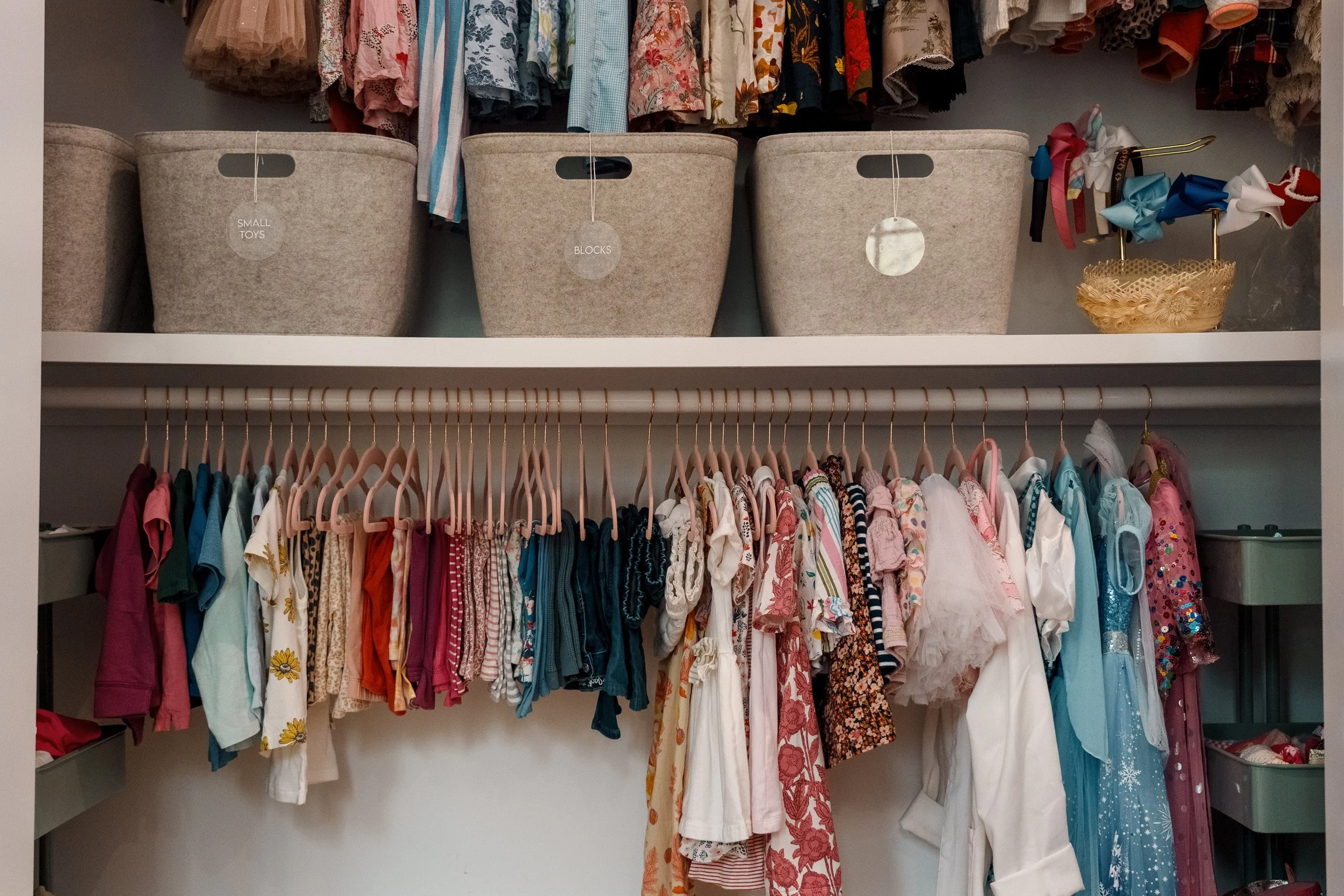
We all know the “Monica closet” moment. The space that stays behind a closed door. The one you only open when you absolutely have to. The one where everything gets tucked away because, at the end of the day, if no one sees it, does it really count? (If you know, you know.)
While a hidden catch-all closet might make for a funny television moment, the reality is that the spaces we avoid often have the greatest opportunity to impact our everyday lives. A child’s closet is one of those spaces.
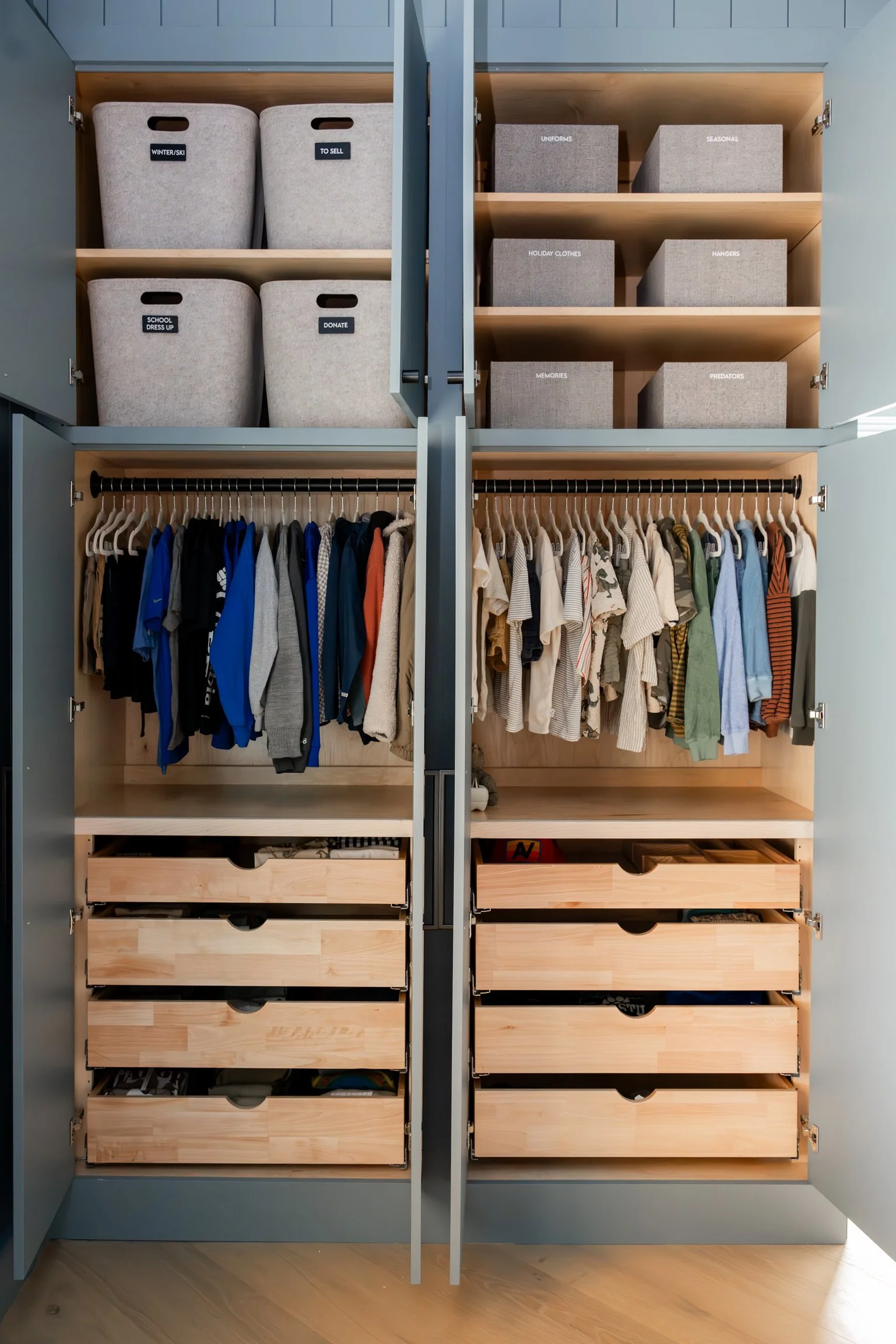
It may seem easy to close the door and move on, but the time spent searching for missing shoes before school, sorting through clothing that no longer fits, or trying to find what your child needs for the day quickly adds up. More importantly, a closet without a clear system can make it harder for children to participate in their own routines and take ownership of their belongings. Putting the time, energy, and thought into creating a functional closet system is truly a gift to your child.
Children thrive with structure. They love knowing where things belong, being included in decisions, and having spaces that feel like their own. When a closet is designed with their needs in mind, organization becomes an opportunity to build confidence, encourage independence, and teach responsibility in a way that feels natural. Our approach to children’s closets is never about creating a picture-perfect space that only looks beautiful on day one. It is about designing a system that supports your child’s current routines while giving them the tools to care for their belongings as they grow.
Before creating a new system, we encourage families to start by asking:
What parts of your child’s daily routine currently create the most friction?
What does your child reach for most often, and can they access it independently?
Are the items in their closet reflective of the season of life they are currently in?
What belongings are taking up valuable space but are no longer serving them?
What responsibilities could your child begin managing with the right system in place?
These questions help reveal what the closet actually needs to support, not just where things should be stored. Because the best organizing systems don’t simply create order. They create opportunities for children to grow.
Start With Their Everyday Routines
The most successful organizing systems begin with understanding how a space is actually used. Before selecting products or creating categories, think through your child’s day. Where does the morning routine slow down? What items are difficult to find? What decisions could be simplified?
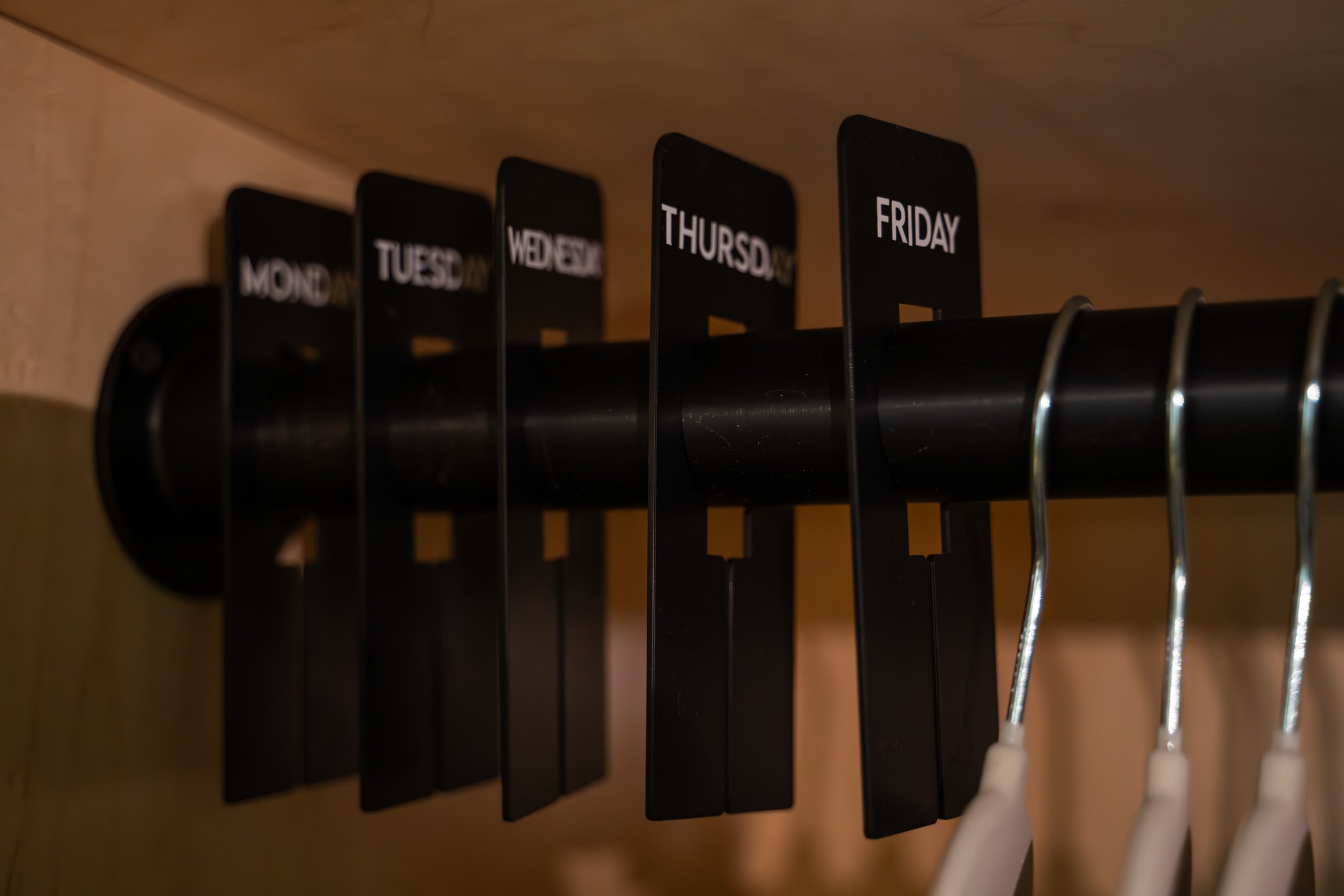
For some families, the biggest challenge is getting dressed in the morning. A simple solution we love during back-to-school season is creating a Monday through Friday clothing system. Using labeled hanging dividers allows children to see their outfits for the week ahead and allows parents to prepare clothing in advance. For younger children, this can make mornings smoother by removing unnecessary decisions. For older children, it creates a simple framework for learning how to plan and care for their belongings. For other families, the friction point may be shoes, accessories, laundry, or sports equipment. The solution is not always adding more storage; it is creating a system that supports the way your child already moves through their day.
A Routine to Implement: Lay Out the Week Ahead
If weekday mornings tend to feel rushed, this is one of the simplest habits you can introduce with the biggest payoff.
At the beginning of each week, take a few minutes to lay out your children’s outfits for Monday through Friday. Whether you hang each outfit together in the closet or use a labeled organizer, removing one decision each morning creates more margin for the things that matter most.
Create an “Active Closet” That Reflects Their Current Season
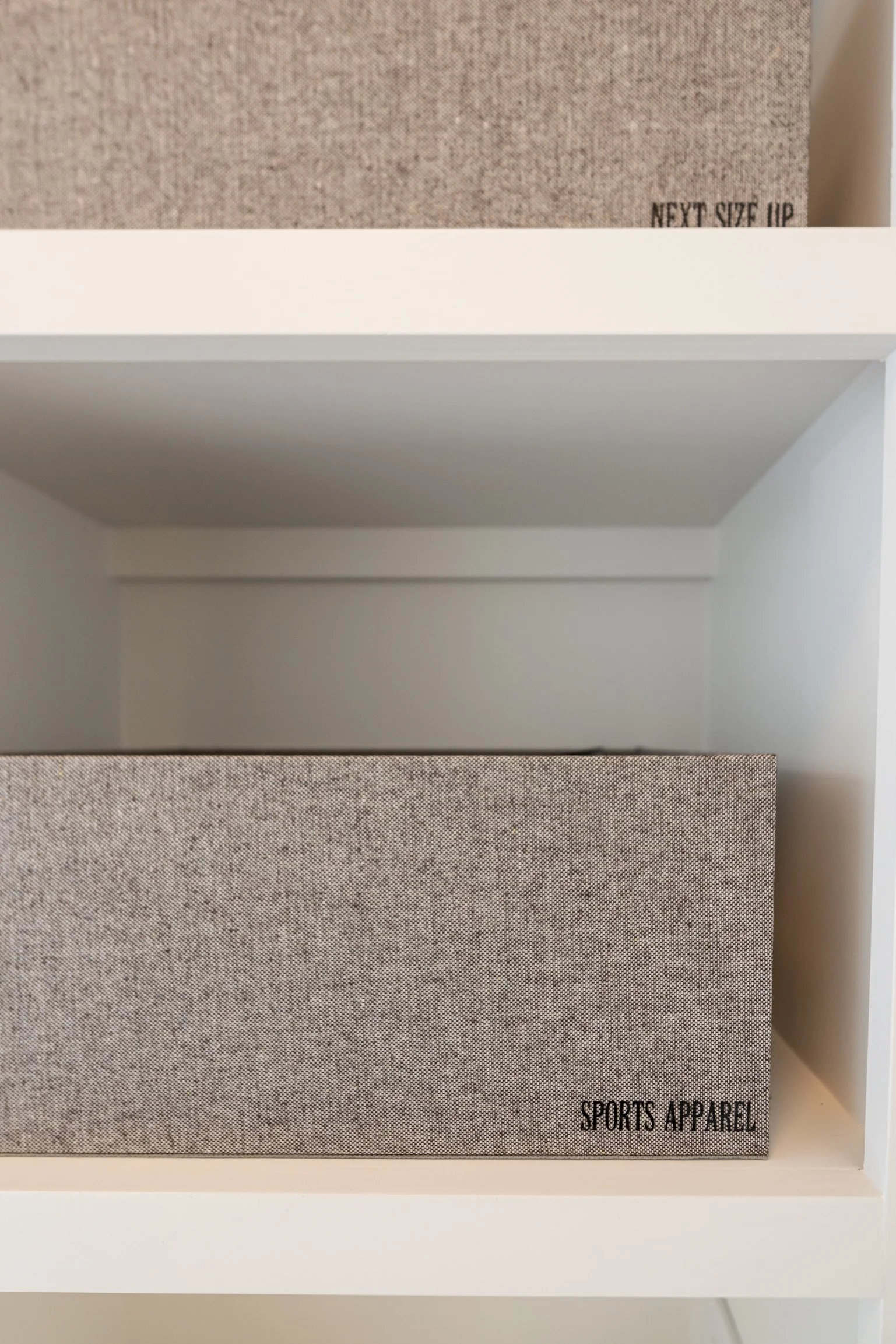
One of the biggest shifts we make in children’s closets is separating what is actively being used from what is simply being stored. A closet should support the season your child is living in, not every season they have already passed through.
When clothing that no longer fits, future sizes, seasonal items, and sentimental pieces all compete with everyday clothing, getting dressed becomes unnecessarily difficult. Creating clear categories helps the closet function better and makes transitions easier.
And you really only need two things to make this work:
1. A bin.
2. A label.
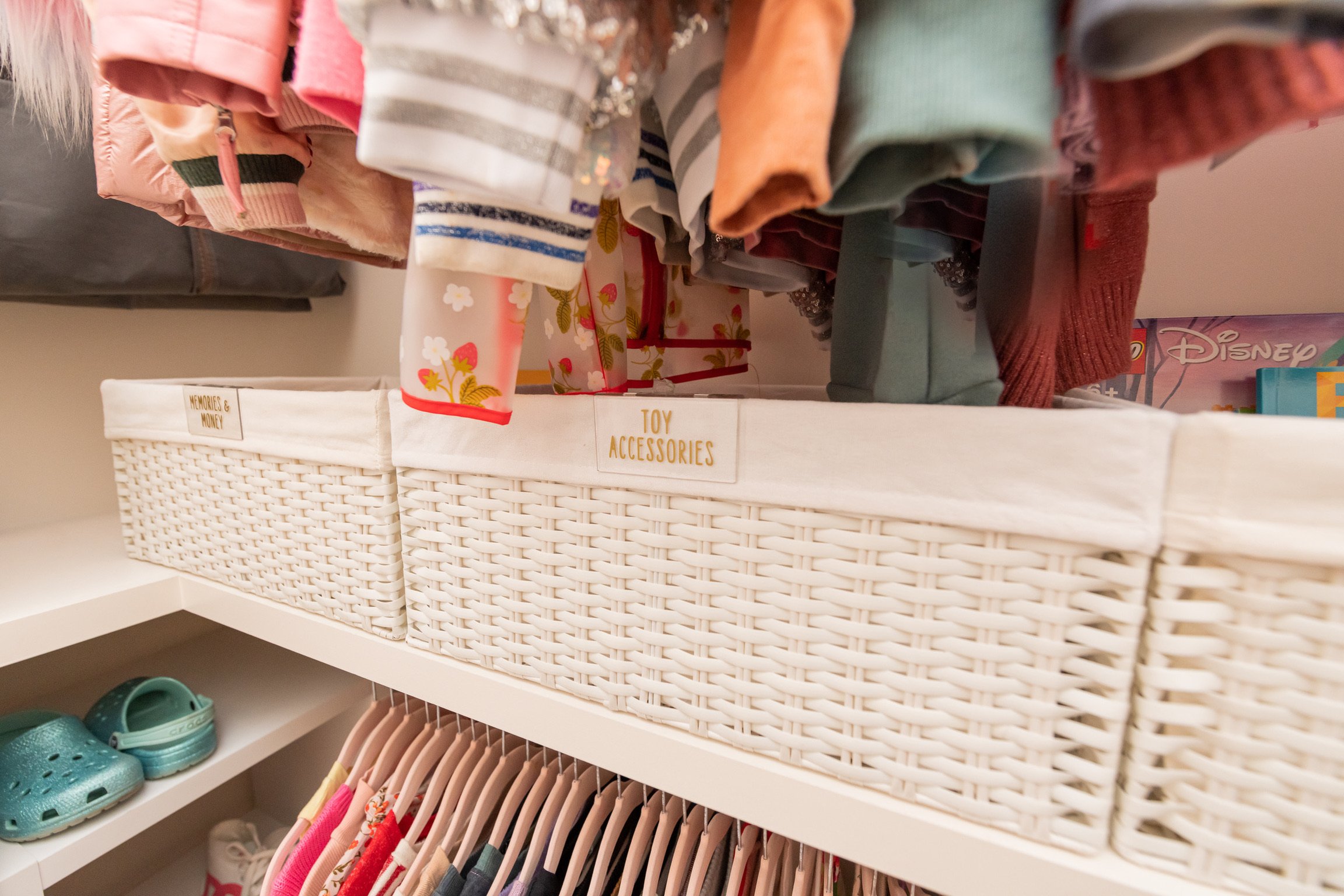
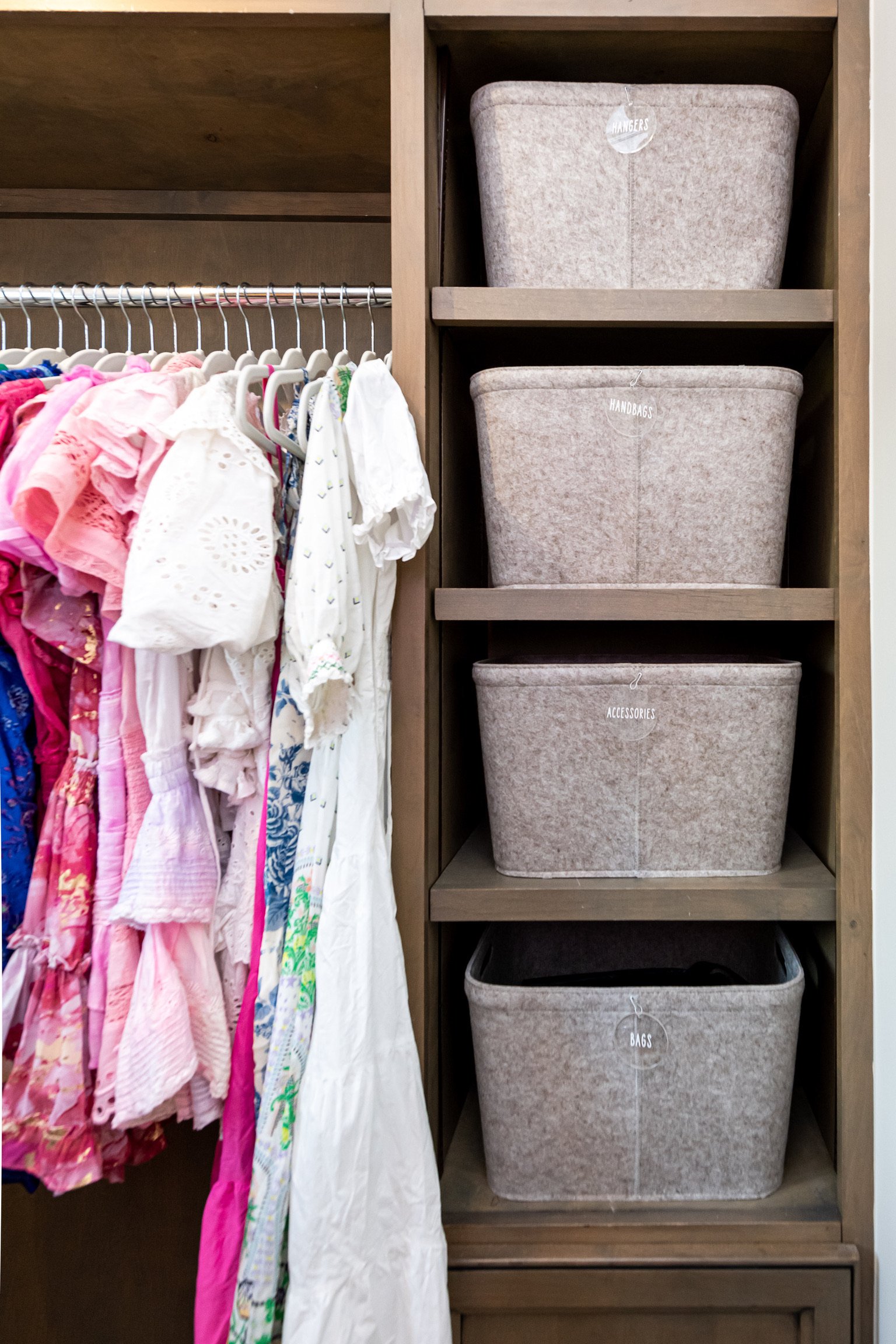
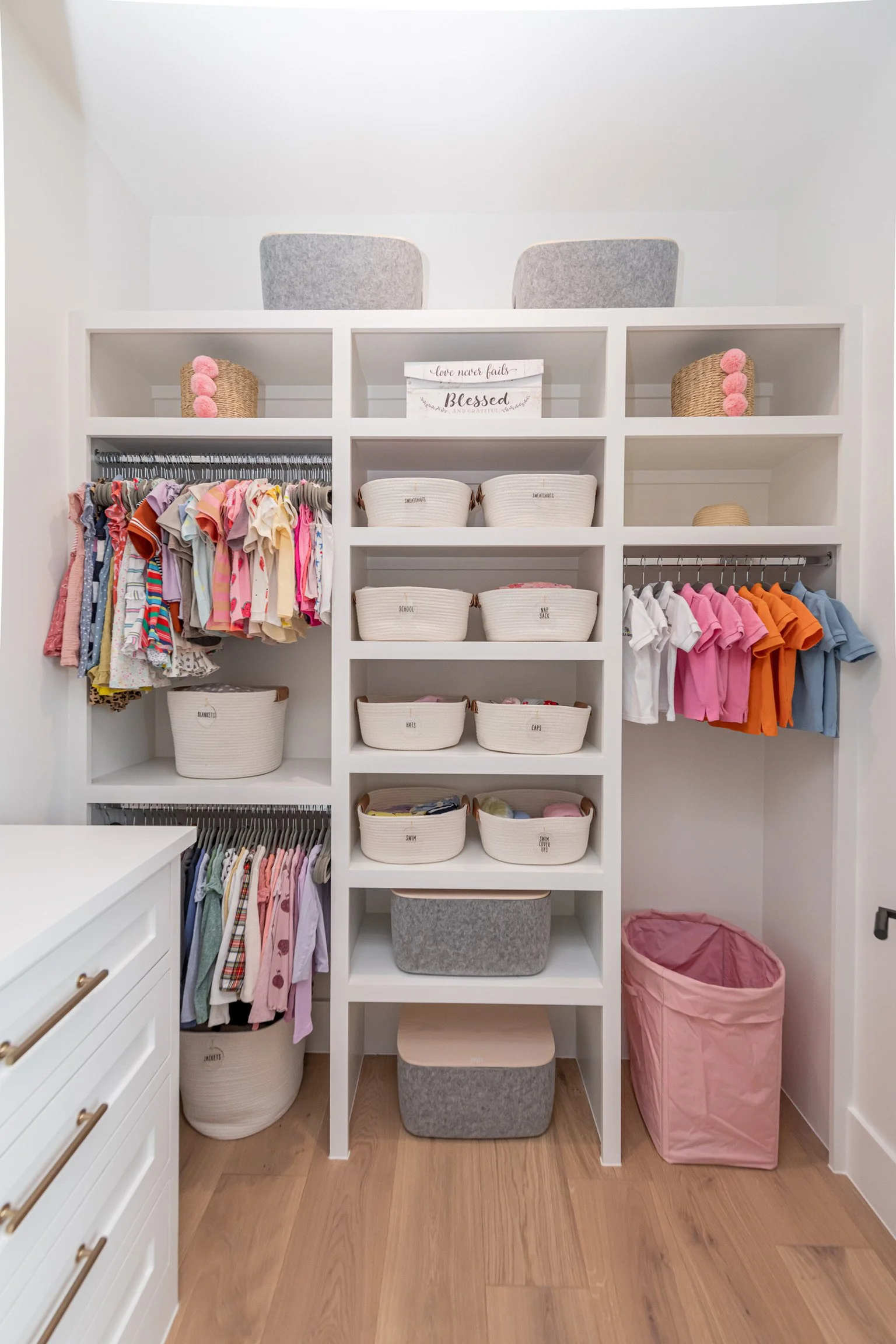
That’s it. With a designated bin and a clear label, everything has a place—and your child’s everyday clothing stays easy to see, access, and manage as they move through each season. Some of the categories we commonly incorporate include:
Next Size
Children grow quickly, and having a designated home for future clothing prevents those items from taking over the everyday closet. A labeled bin or shelf keeps these pieces organized and ready without creating confusion around what your child can wear right now.
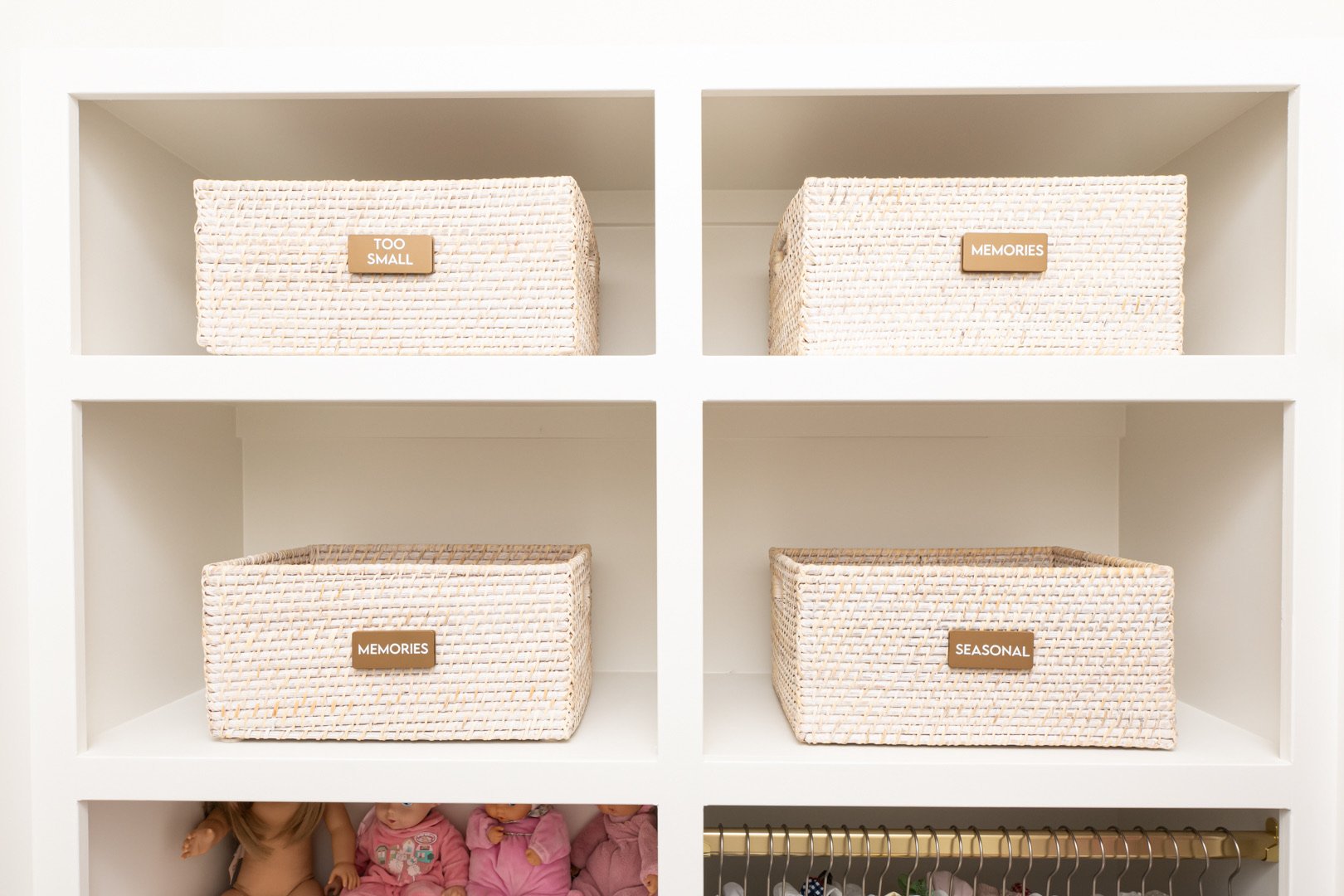
Too Small
A “too small” bin is one of our favorite systems for growing children. When your child tries something on and realizes it no longer fits, they have a clear place to put it rather than returning it to the closet. For families with younger siblings, these items can be saved intentionally. Otherwise, this category naturally becomes a donation opportunity.
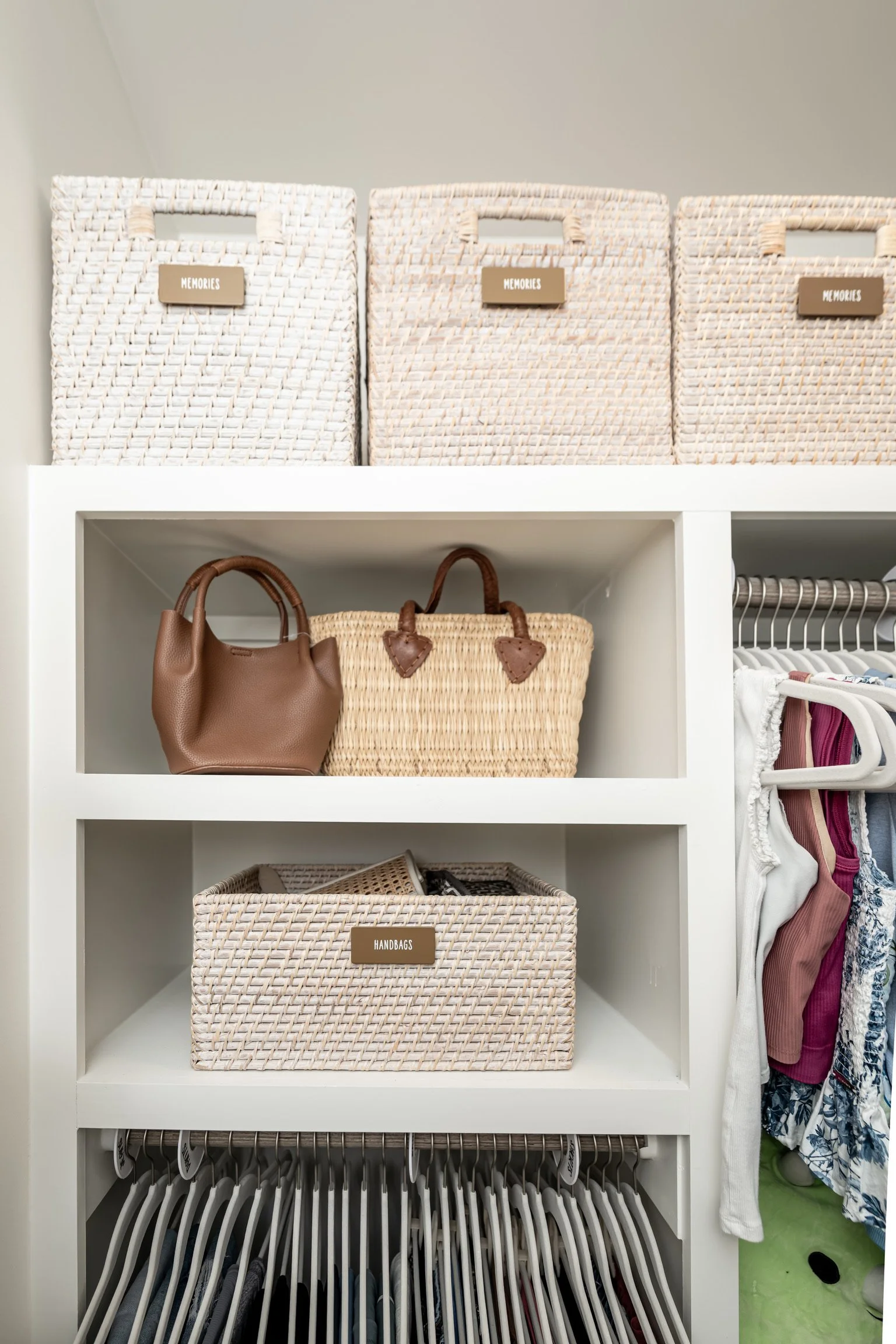
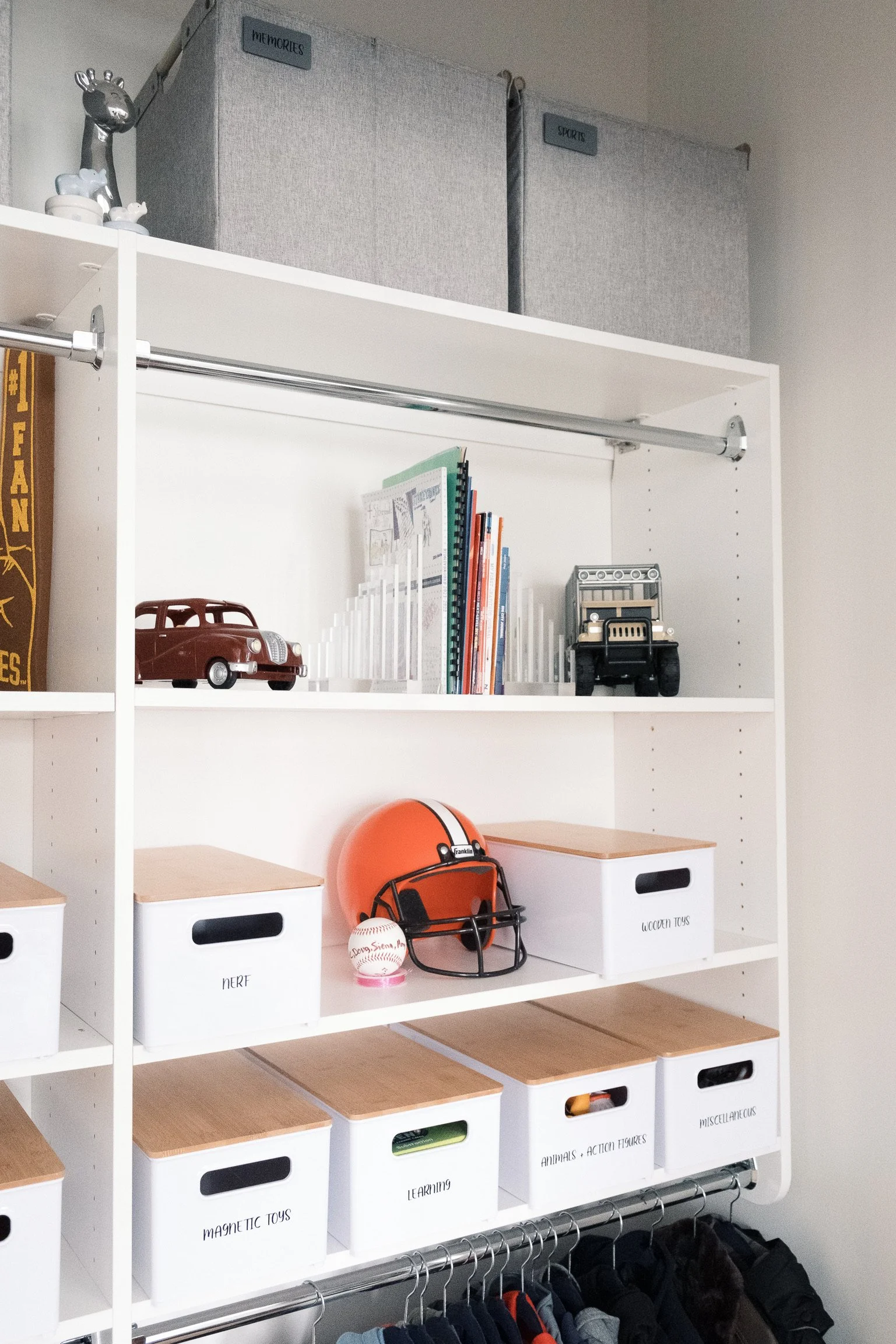
Memories
Childhood is filled with meaningful pieces, a special outfit, a favorite costume, artwork, or items connected to important moments. A dedicated memory bin allows families to preserve those pieces without allowing sentimental items to take over everyday storage.
Treasures
Children collect things. It is part of childhood. Whether it is friendship bracelets, small toys, rocks collected from adventures, special notes, or little treasures they cannot part with yet, giving those items a designated home teaches an important lesson: meaningful things deserve a place, but they also need boundaries.
A pro tip we love: create a container with a clear limit. When the treasure bin is full, it becomes an opportunity for your child to decide what they want to continue keeping and what they are ready to let go of. This simple system introduces children to intentionality and helps them understand that making space is part of caring for their belongings.
Build Their Activities Into the Space
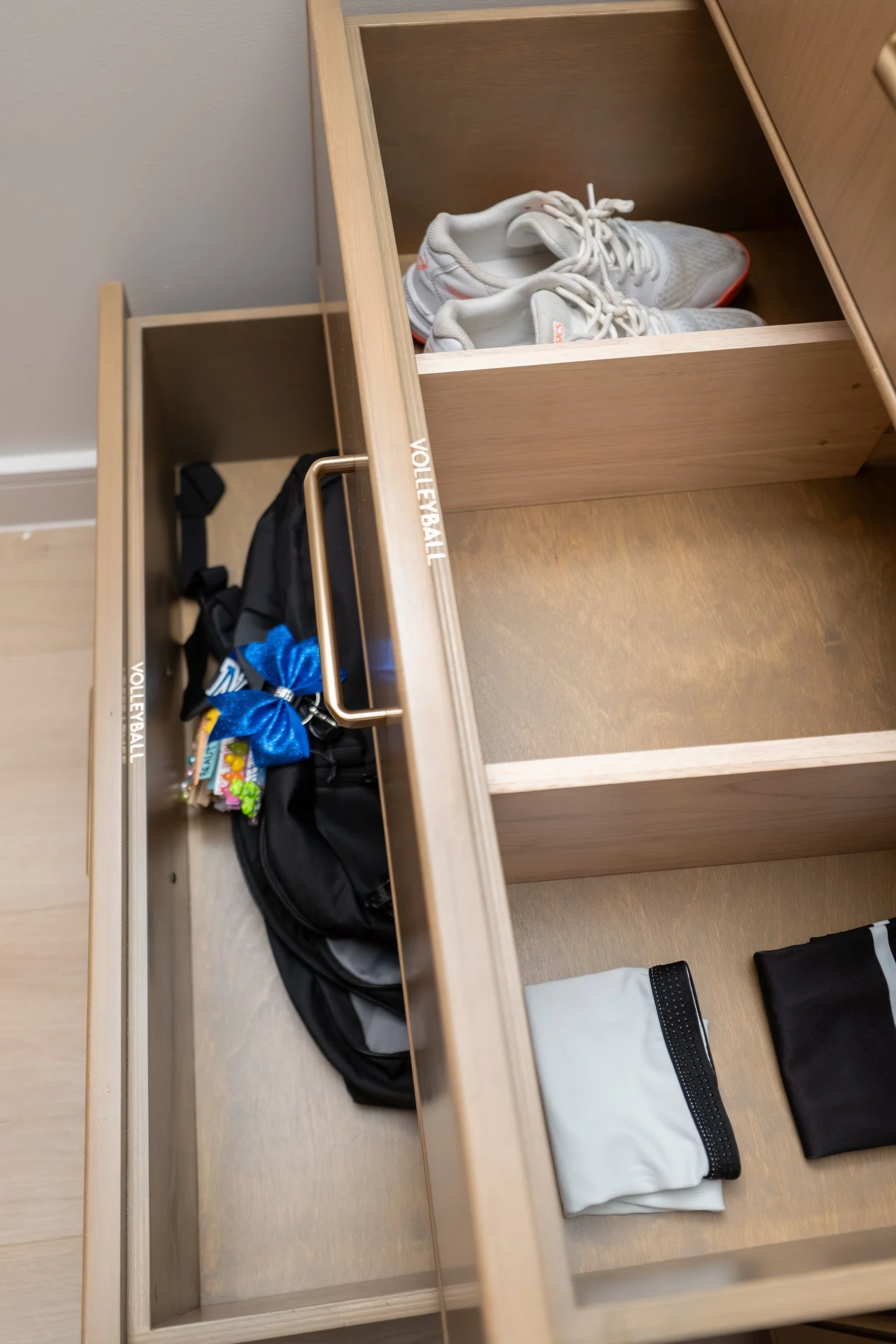
When designing children’s spaces, we look beyond what they own and consider what they love. Their interests, hobbies, and passions deserve a place within their home.
In the Garcia Home Tour, our team designed the daughter’s closet around her love of equestrian activities. The space included dedicated areas for the pieces connected to that passion, allowing the closet to support not only her daily routine but also the activities that bring her joy.
The most meaningful children’s spaces are not simply organized; they are personalized. Whether your child loves dance, sports, art, reading, or collecting, creating space for those passions helps them feel seen and connected to their environment.
Make Independence Possible
Children are much more likely to maintain a system when they can actually use it. A successful closet considers what your child can reach, understand, and manage independently. Everyday clothing should be easy to access. Shoes should have a clear home. Frequently used accessories should not require an adult’s help to find.
Some of our favorite solutions include:
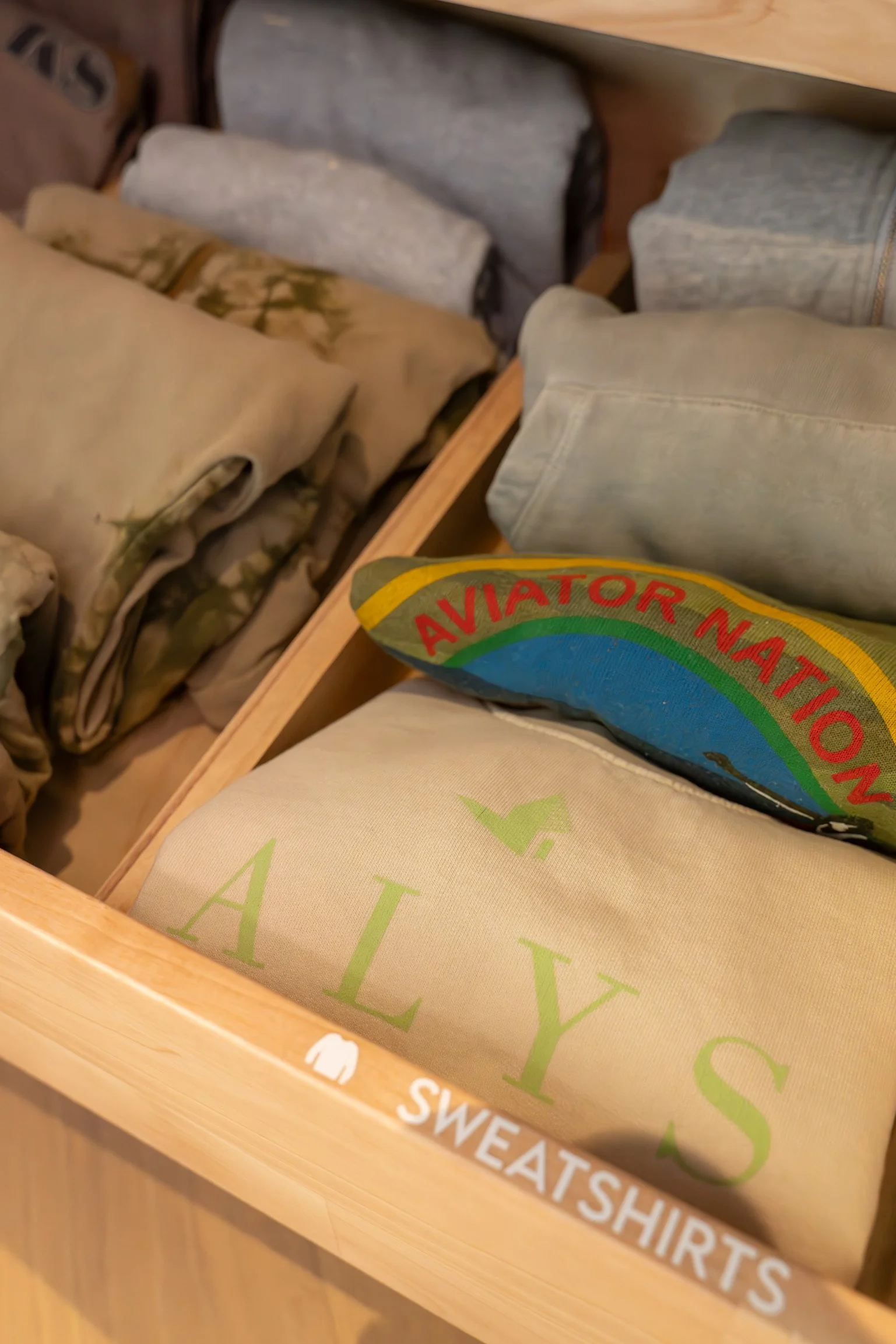
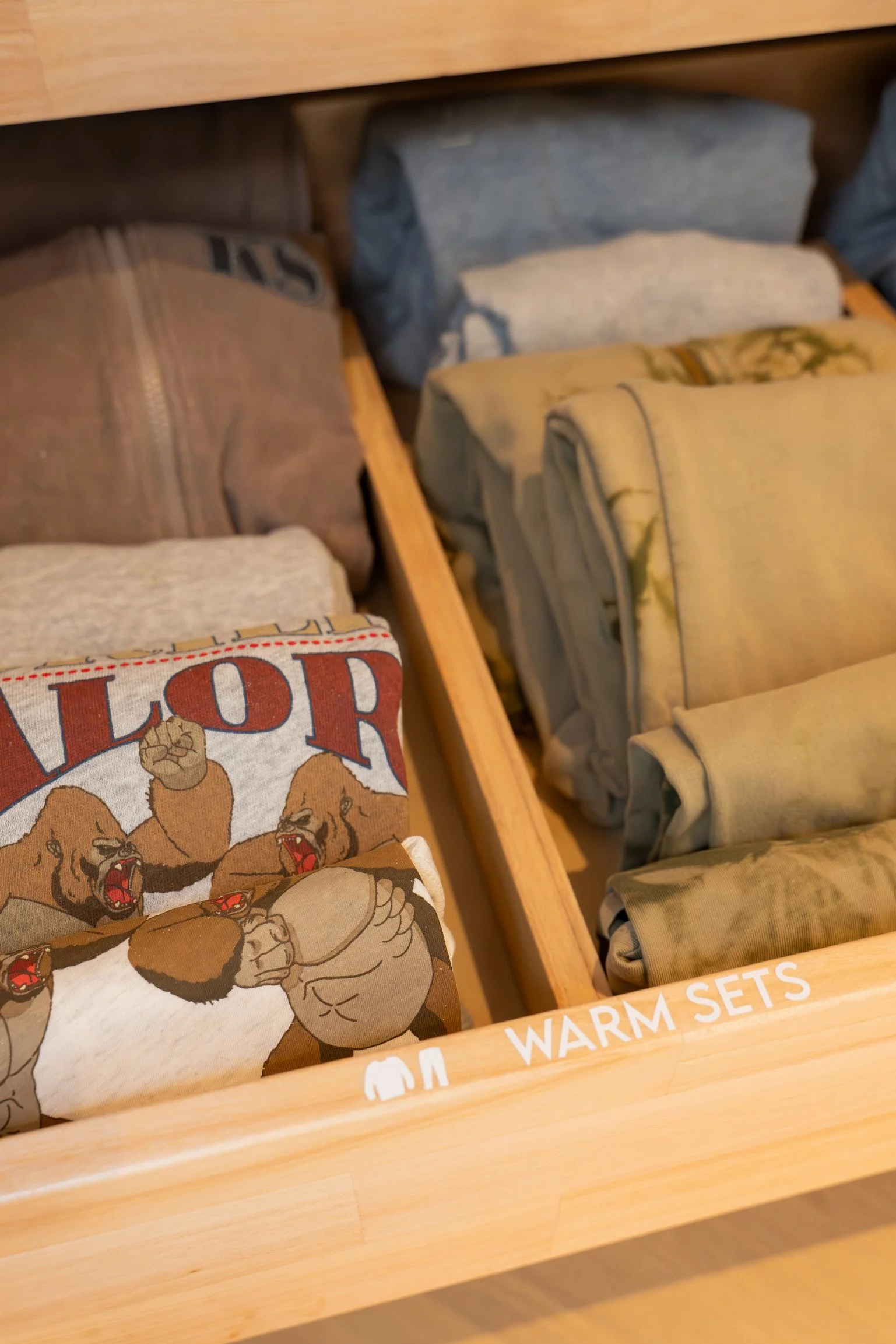
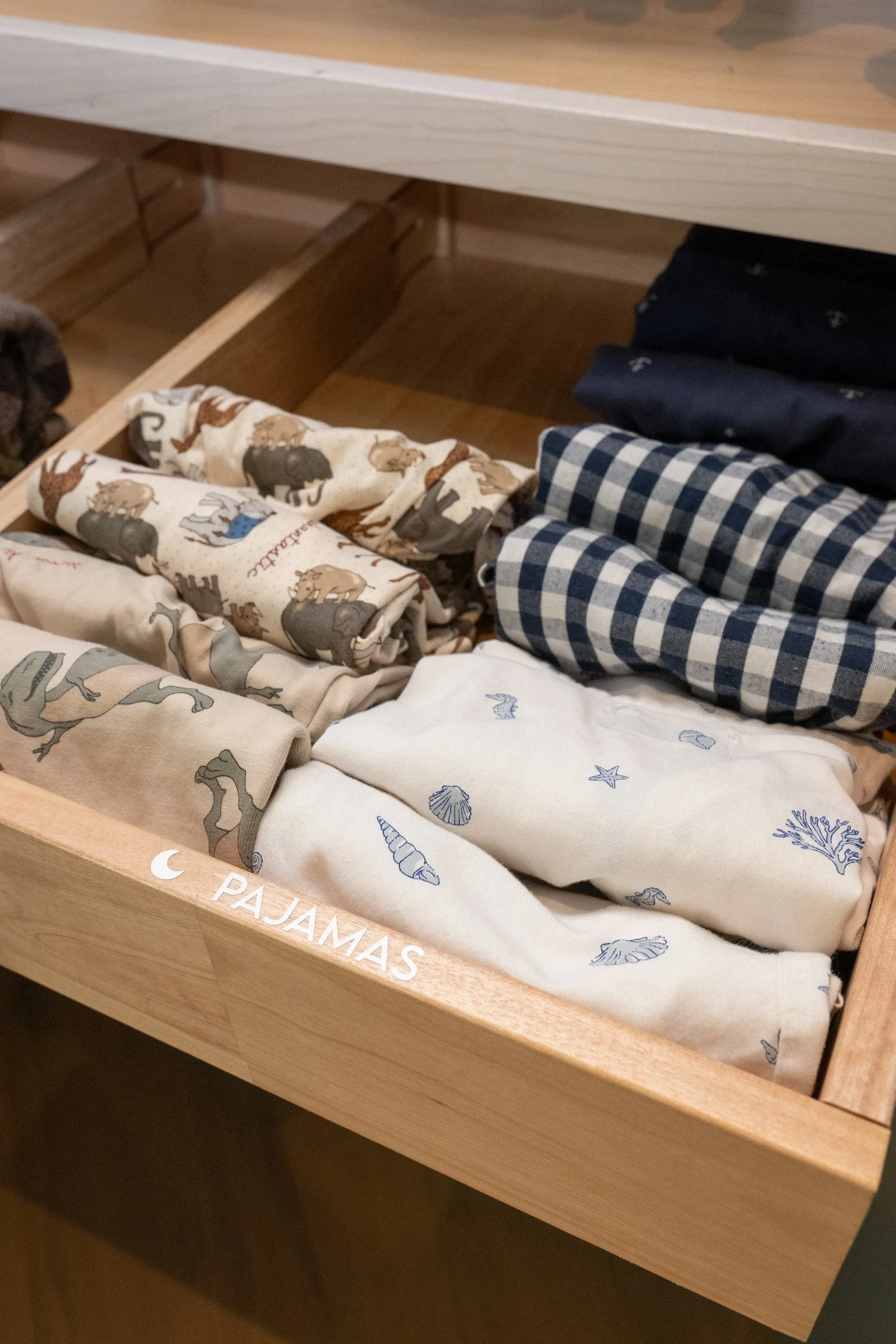
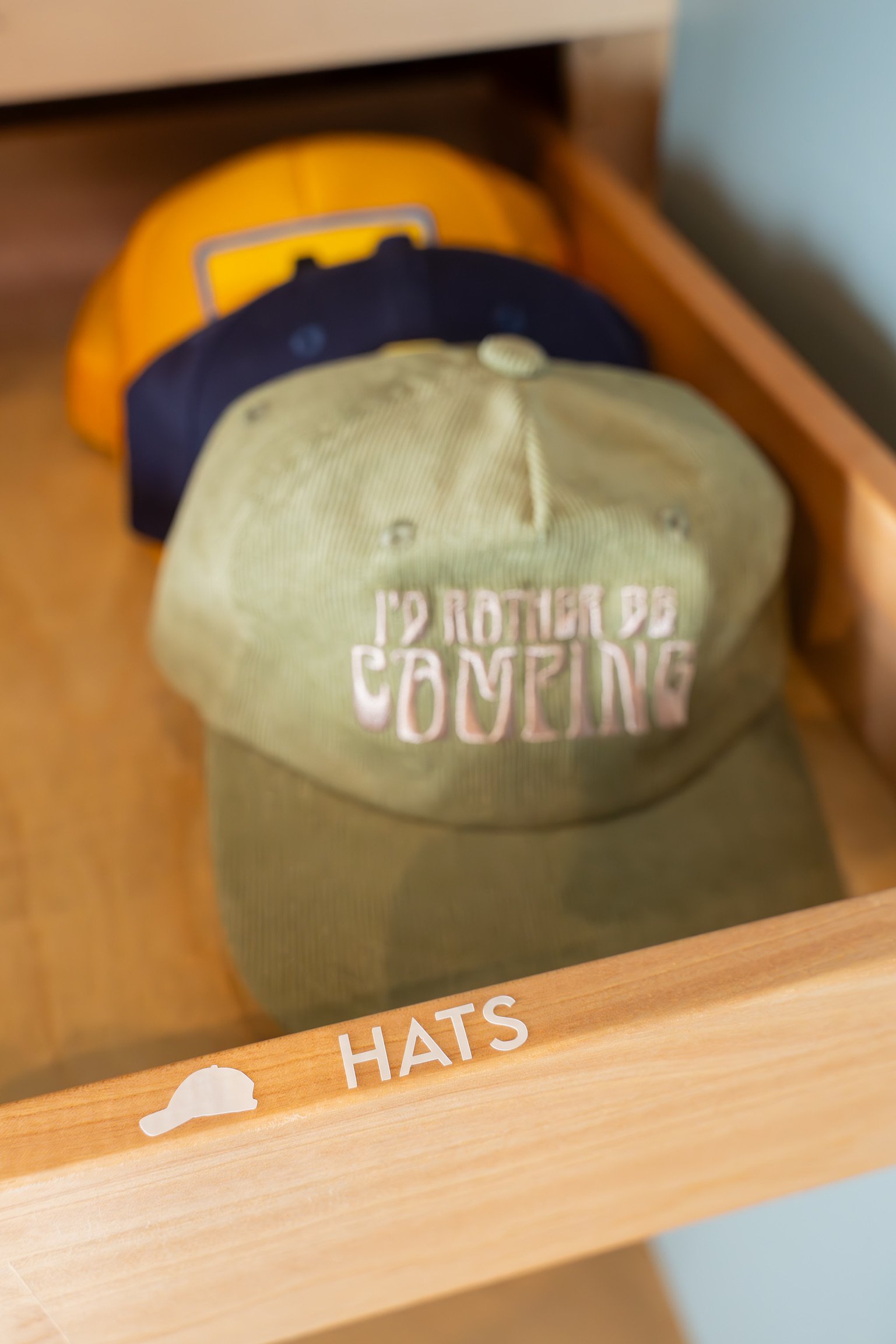
Label…everything
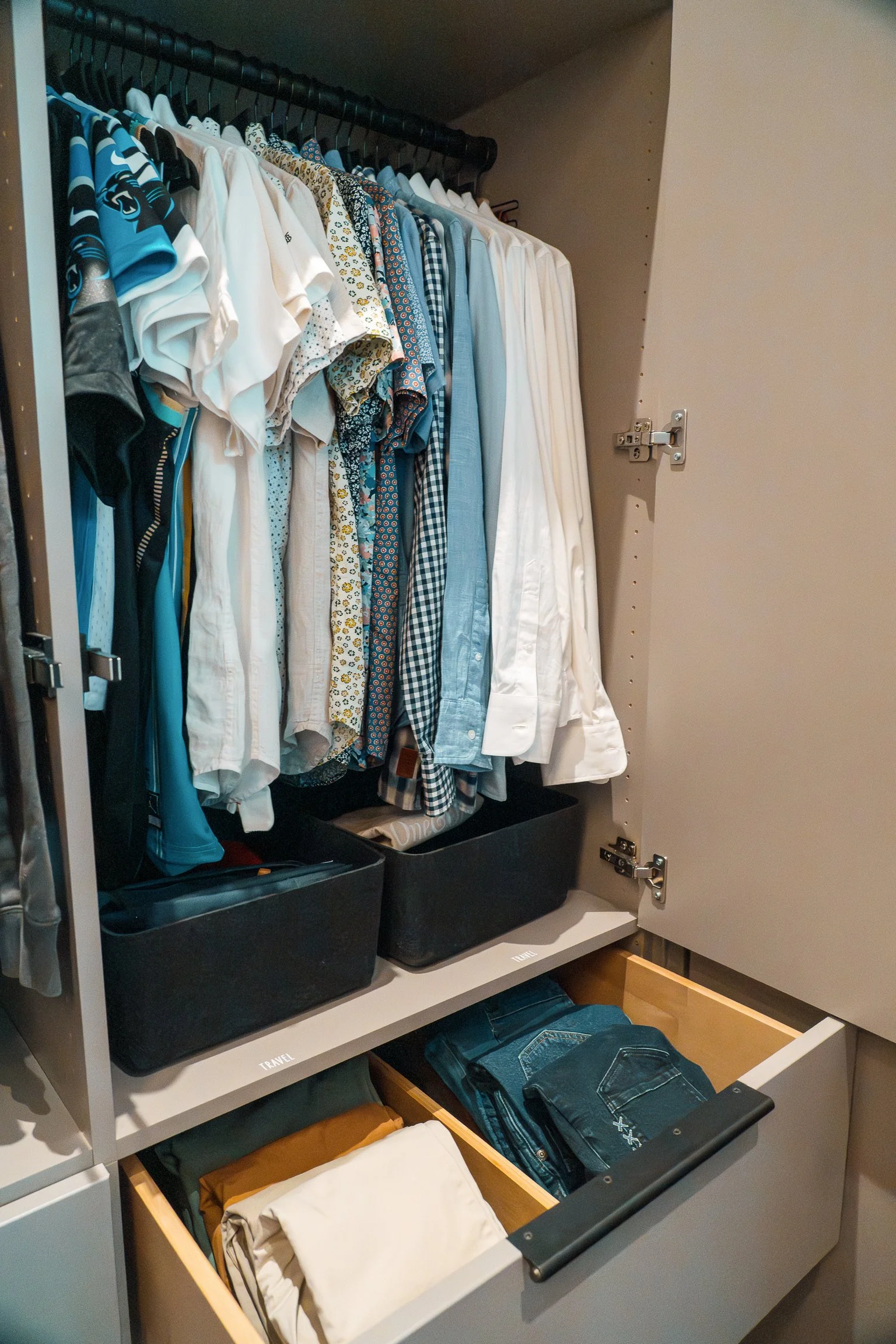
For closets with drawers, labeling the lip of each drawer creates a simple visual reminder of where items belong while keeping the space easy to maintain.
Seasonal & Accessory Storage
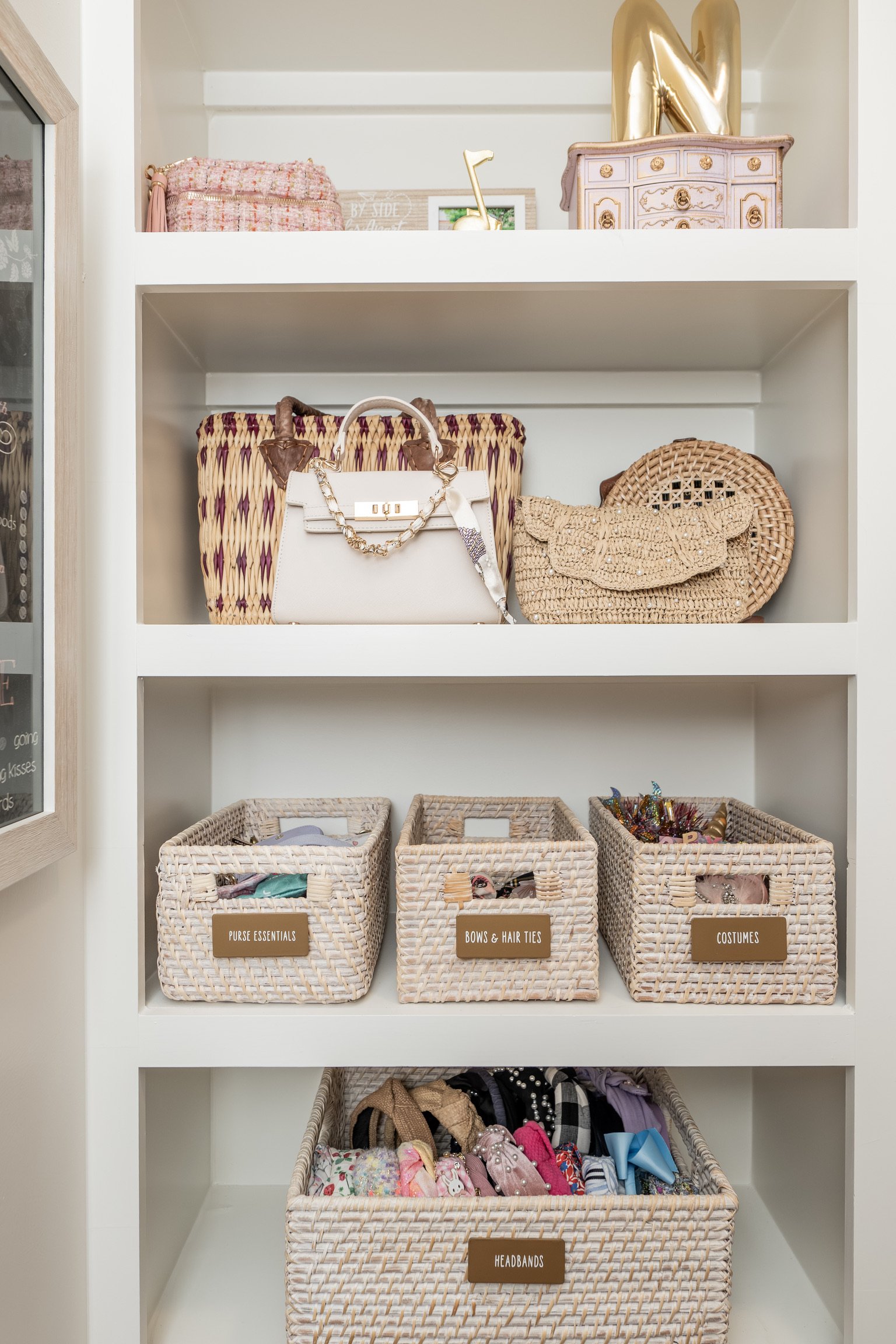
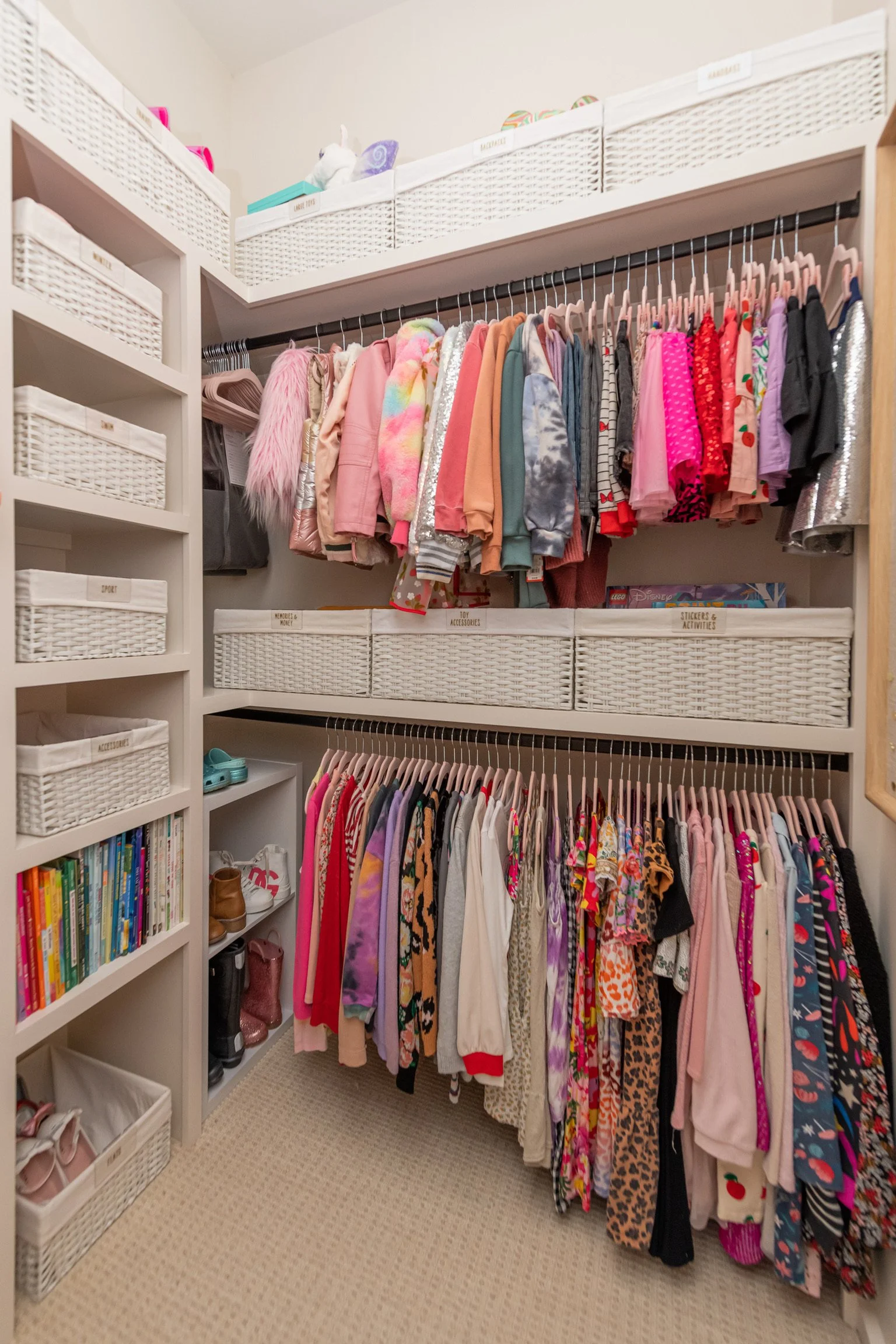
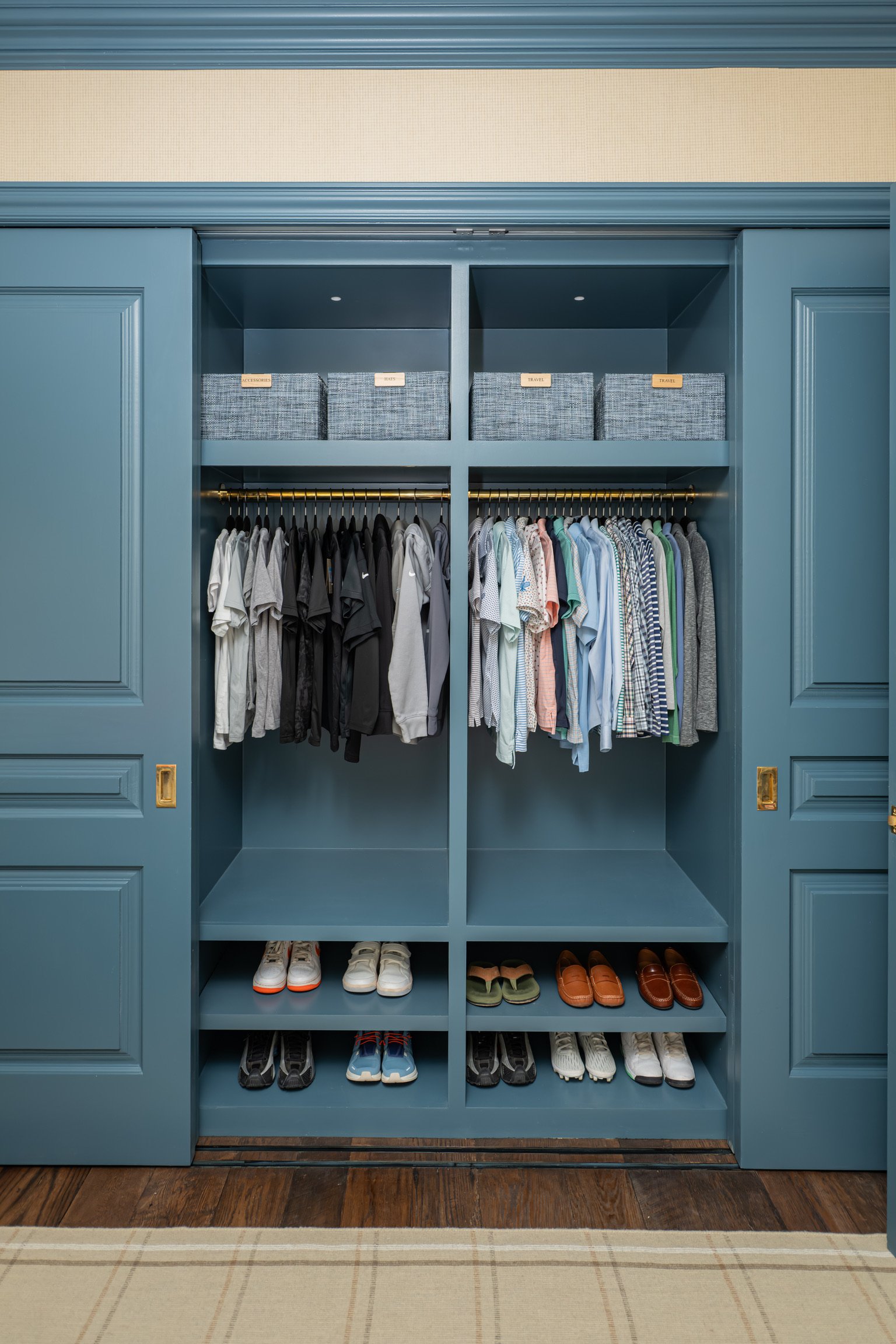
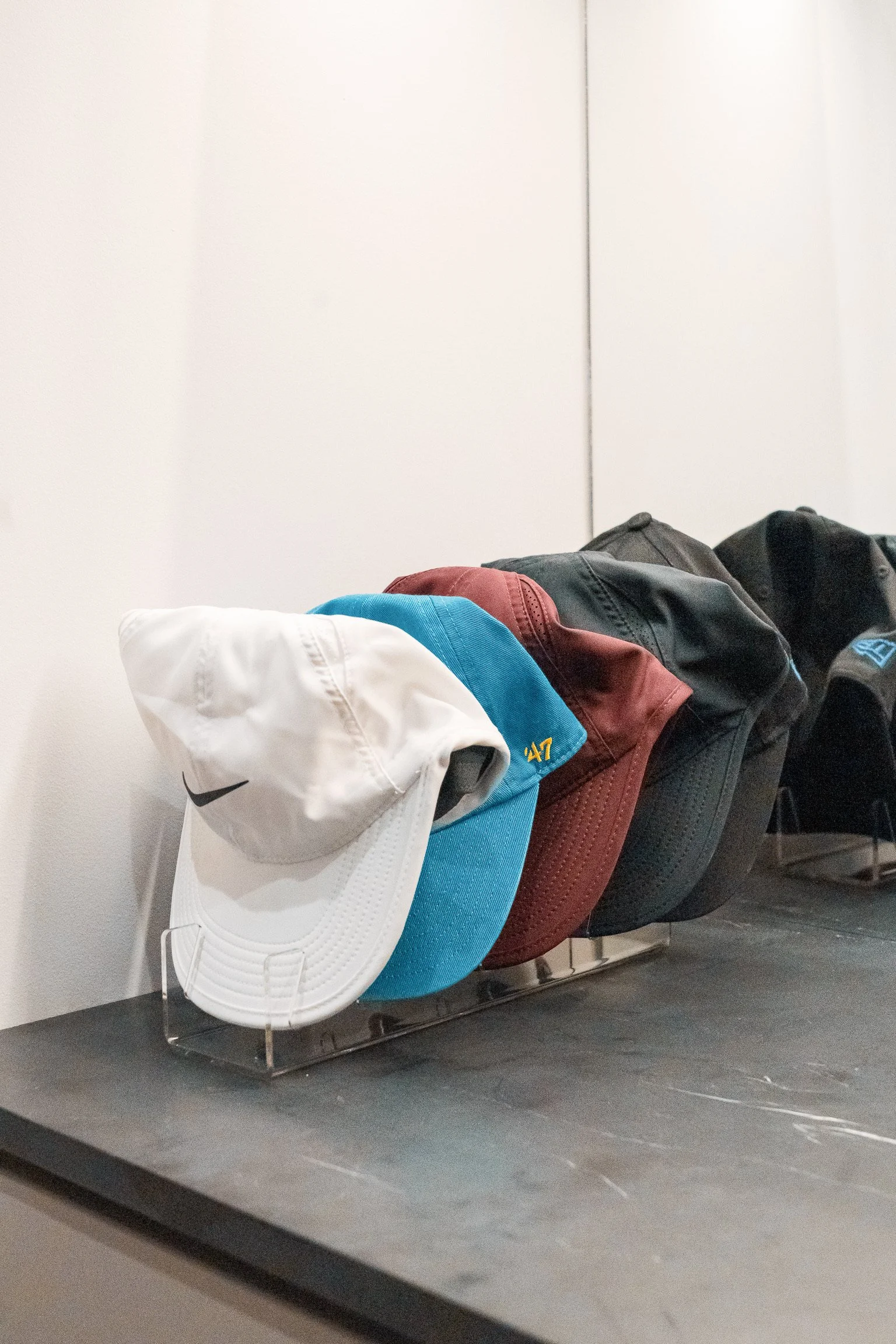
Give seasonal items and everyday accessories a designated home so they stay organized without competing for valuable space. Small bins are perfect for containing scarves, hats, gloves, swimsuits, hair accessories, jewelry, belts, handbags, and other items that can quickly become difficult to manage. Keeping these categories contained makes them easier to find, easier to put away, and helps your closet function more efficiently year-round.
Travel Bins
Packing cubes, travel accessories, and tech essentials are often overlooked categories. Creating a dedicated travel bin makes preparing for trips easier and prevents these items from becoming scattered throughout the home.
Use Every Inch of Space
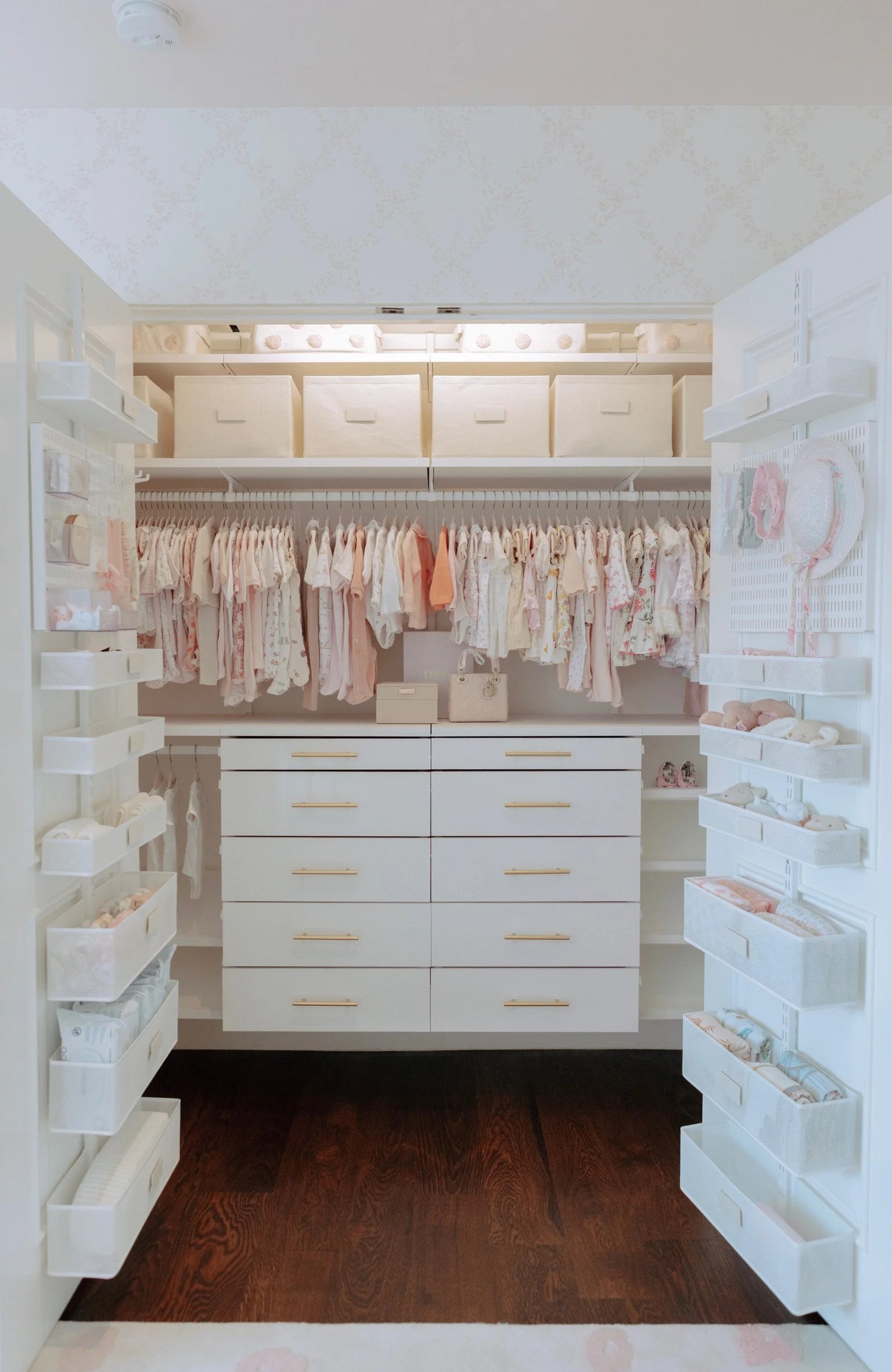
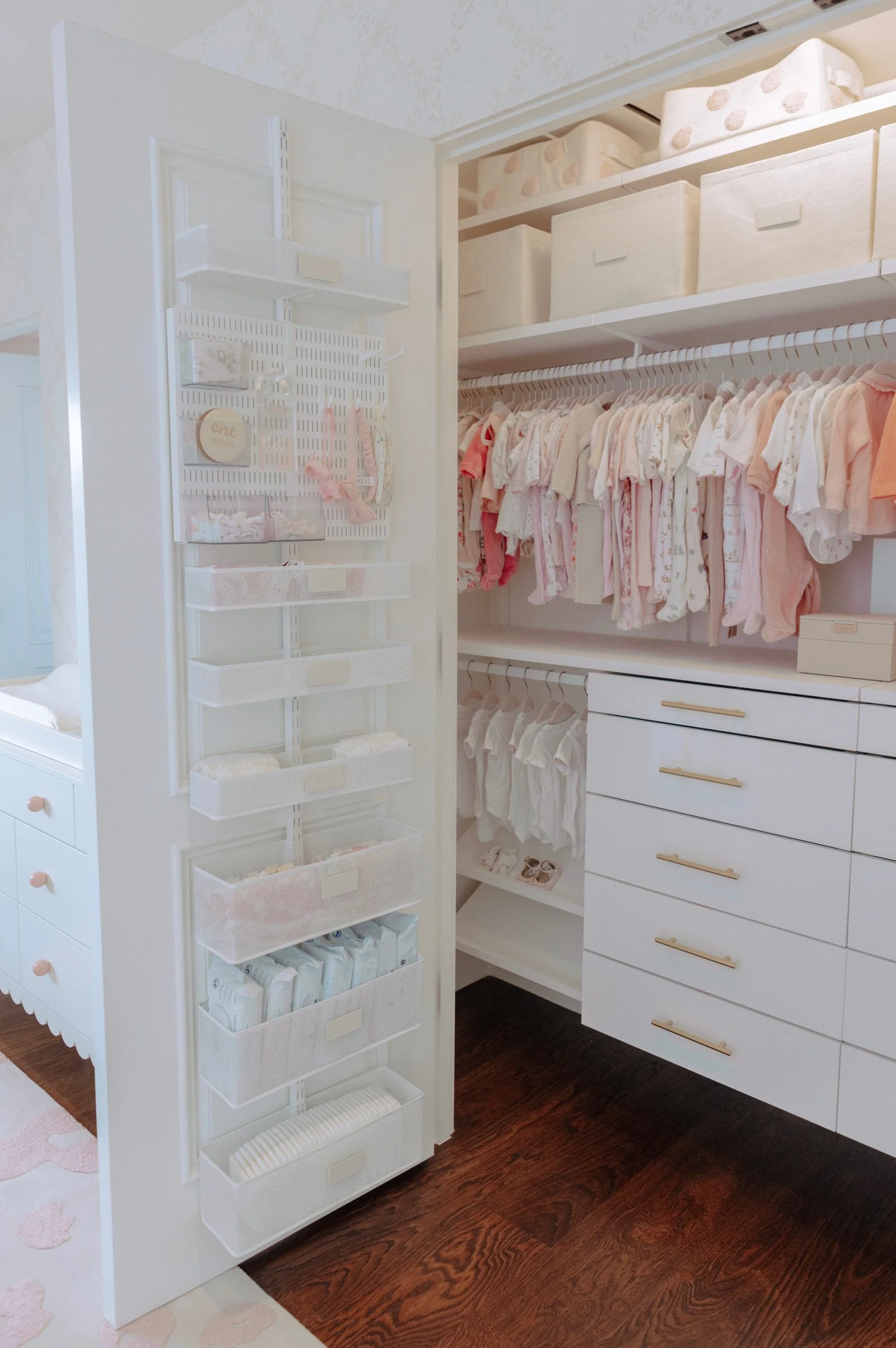
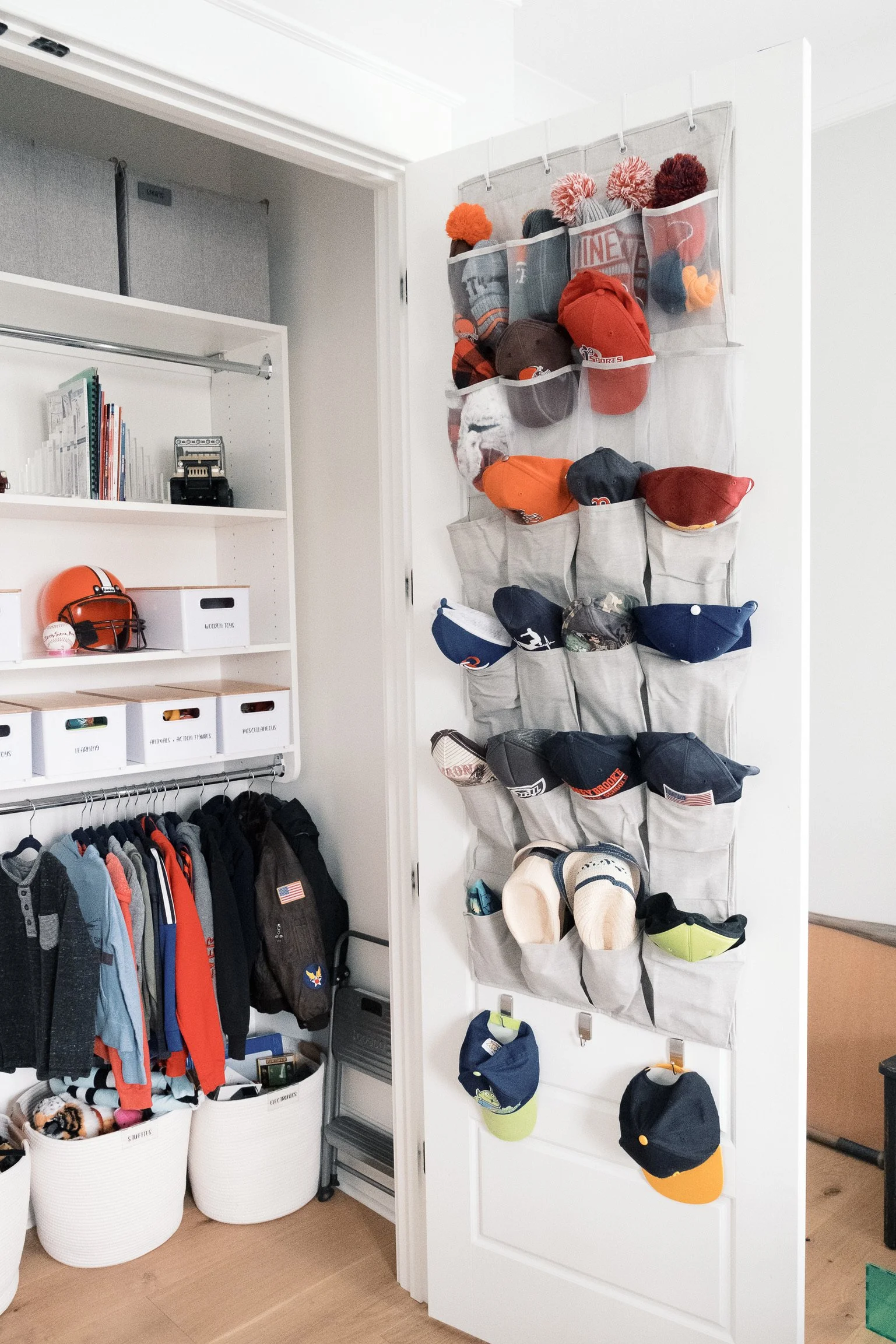
Not every child has a large closet, but every closet has opportunities. When storage is limited, we look beyond shelves and hanging space to often-overlooked areas, like the backs of doors or unused vertical space.
Customizable over-the-door and over-the-shelf solutions are especially helpful for shoes, accessories, and smaller items that need a dedicated home without taking up valuable closet space. At the Beverly Hills Bloom Nursery, we designed a closet system that could grow with the child, providing functionality to support her from the nursery years through her pre-teen years.
The best children’s closets are not only designed for today. They are designed for what comes next.
Don’t Forget the Laundry Routine
A closet system is only as successful as the routines surrounding it.
A properly placed hamper is one of the simplest additions that can dramatically improve how a child’s space functions. Whether dirty clothes move directly to the laundry room or stay contained within their closet, creating a clear home for laundry helps children understand the full cycle of caring for their belongings. Choosing clothing, wearing it, placing it in the hamper, and putting clean laundry away are all opportunities for children to build independence. Small systems create lasting habits.
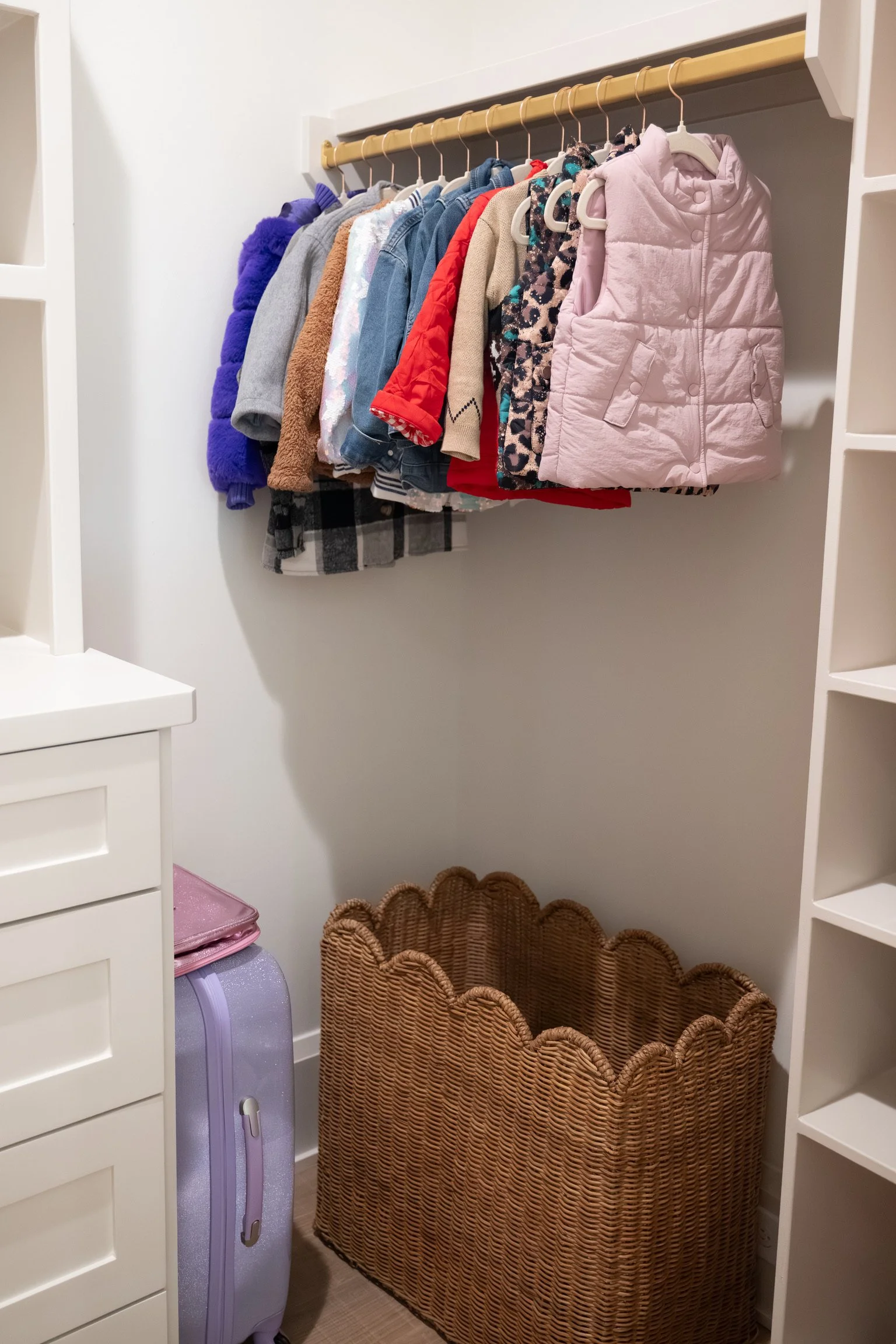
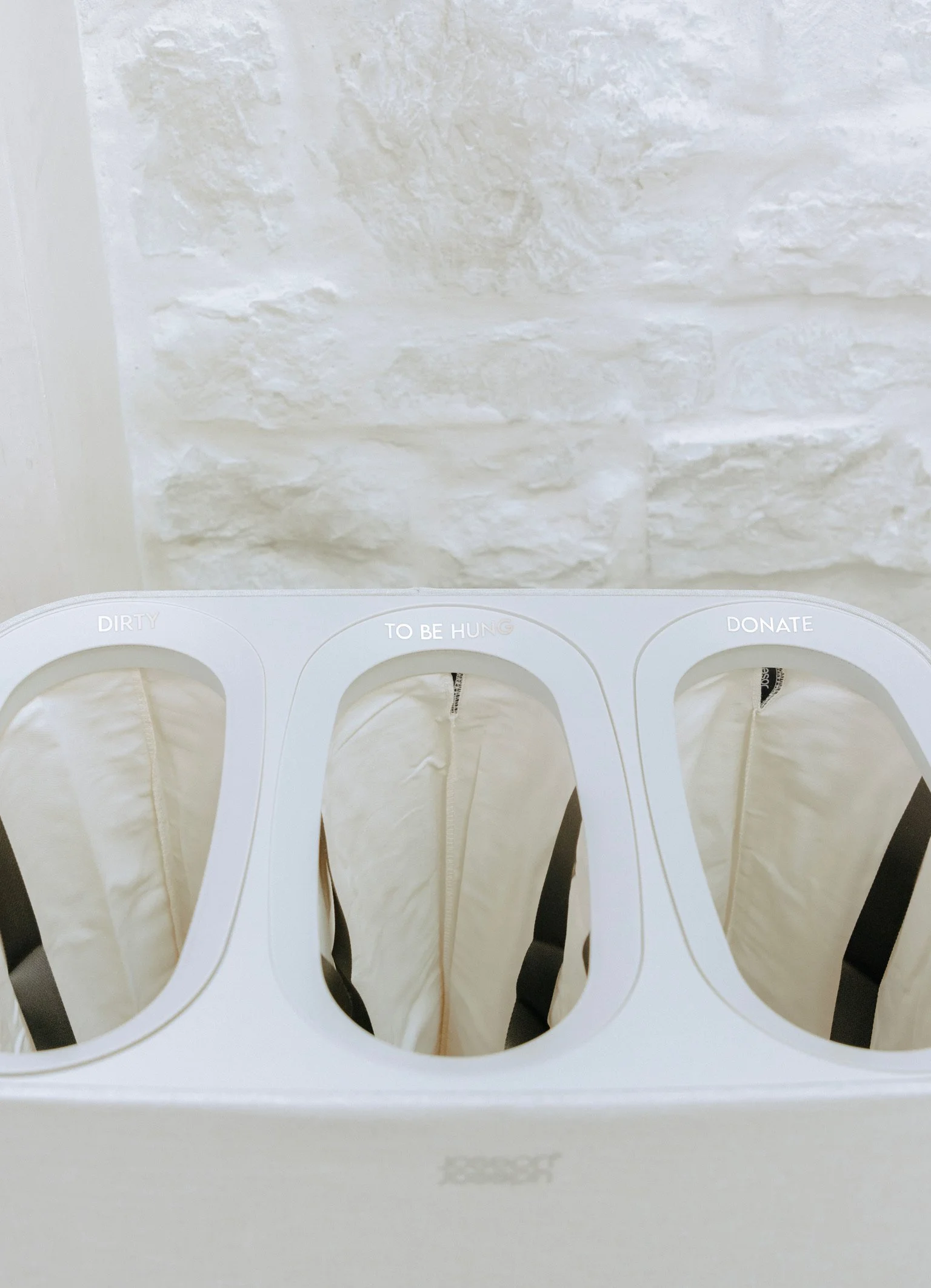
At Graceful Spaces co-founder Christina Lee’s home, her children are responsible for doing their own laundry. Clean clothes have a clear destination: hanging items go directly to their designated places in the closet, while other pieces are put away in their dressers. The one thing they are not required to do? Fold their clothes. That’s where Christina gives them autonomy to decide what works for them within the system.
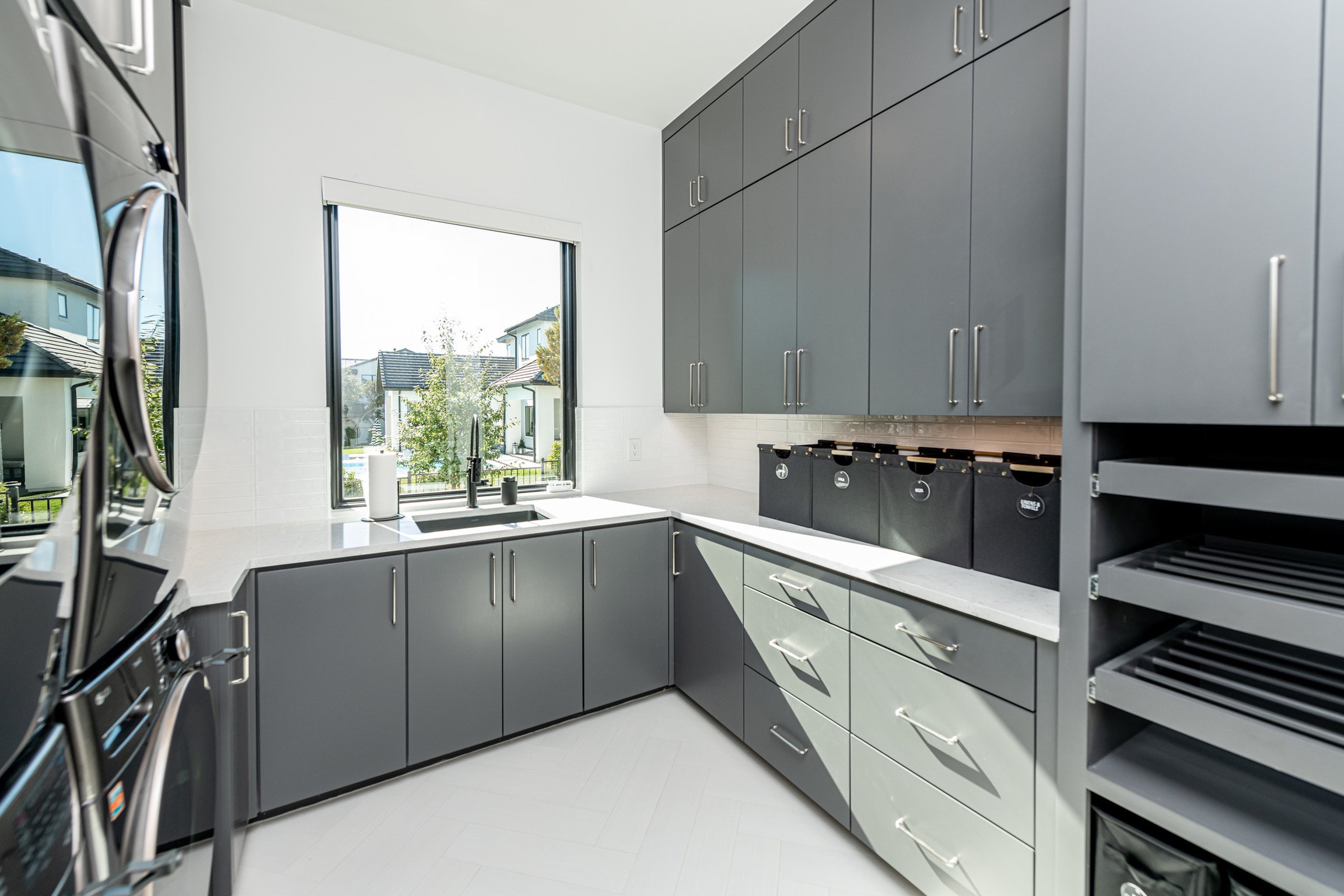
For fashion and lifestyle influencer Nasreen Shahi’s home, we created a different system. Each child has a designated laundry bin in the laundry room. Once their laundry is clean, it goes into their bin. Their responsibility is to take the bin to their room, put everything away, and return the empty bin to the laundry room.
Neither system is inherently better than the other. The best system is the one that fits your child, your home, and your expectations. What matters most is making those expectations clear, creating a system that supports them, and giving your child the tools and autonomy to follow through.
Small systems create lasting habits, and when children know exactly what “done” looks like, they can begin to take ownership of caring for their own belongings.
Create Systems That Teach Letting Go
One of the most valuable lessons a child can learn from an organized closet is that their belongings require thoughtful choices. Closets naturally evolve. Sizes change. Interests shift. Seasons come and go.
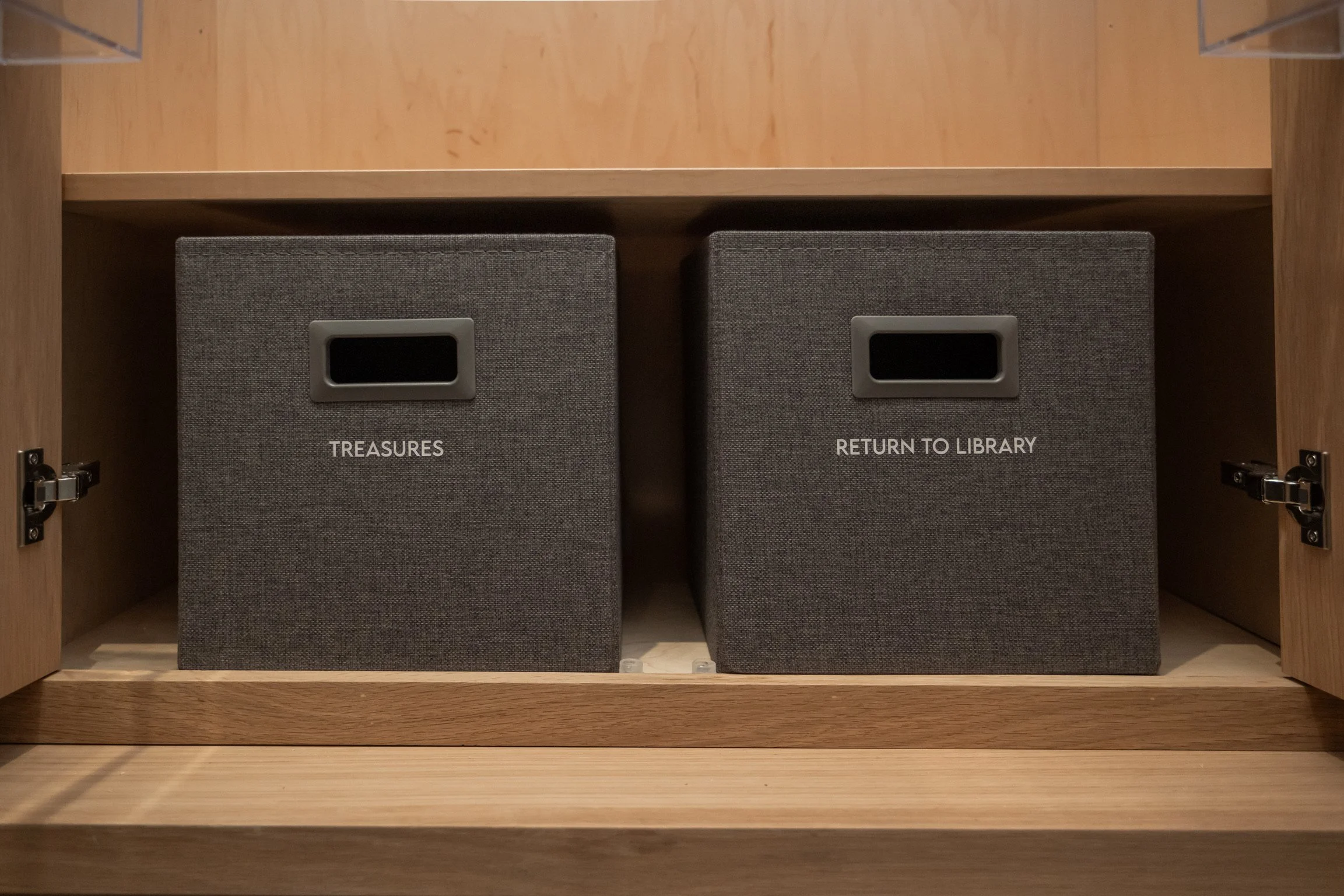
From a young age, you can begin teaching children that making room for something new sometimes means letting go of something they no longer need. One simple way we love to do this is with a “treasure” bin or drawer.
You can start this as early as three or four years old. Think about the little things children become deeply attached to: the toy from Chick-fil-A they insist they need to keep, the stick they found on a walk, or the tiny trinkets they bring home from birthday parties. Rather than telling them they have to get rid of these things, give them a designated place to keep them. A treasure bin or drawer can live in their closet, dresser, mudroom, or drop zone—wherever makes the most sense for your home.
The important part is setting the expectation from the beginning: they are welcome to keep their treasures, but the space has a limit. Once the bin or drawer is full, they have to make some choices. If they want to add something new, they need to decide what they are ready to let go of.
Over time, this simple system helps children practice the skill of editing their belongings rather than learning to hold on to everything. They begin to understand that keeping what matters most often requires making thoughtful choices about what stays.
We share more about this approach on the No Matcha No Mama Podcast, including how small, age-appropriate systems can help children build these skills over time.
Organization is not about holding onto everything. It is about creating space for what matters now, and teaching children that they can decide what that is.
Let Their Personality Have a Place
A child’s closet should feel like theirs.
While structure creates functionality, personality creates connection. A favorite color, unique hardware, artwork, or a dedicated display area for special items can make the space feel personal.
The most successful children’s spaces balance both systems that make everyday life easier and details that make the space feel special. Because a closet should do more than help a child get dressed. It should help them feel at home.
Shop the Products We Use in Children’s Closets
The right products do not create organization on their own, but they can make a well-designed system easier to maintain. Our team sources products every day for our clients’ homes, selecting solutions that are functional, durable, and suited to each family’s unique needs.
Many of the products we continue using for our Sourced by Graceful Spaces clients in 2026 are the same pieces we recommend for children’s closets, from drawer dividers and labels to bins, hangers, and customizable storage solutions.
When It’s Time to Bring in the Experts
Sometimes, a space doesn’t need another quick fix—it needs an expert eye. When your home has outgrown its systems, your family’s needs have changed, or you simply know a space could work so much better, our team can help you figure out what comes next.
Graceful Spaces creates personalized organizing systems around the way you actually live, from children’s closets and family spaces to complete home transformations. Based in Austin, Texas, our team works with clients locally and travels for projects beyond our home market, bringing the same thoughtful approach and attention to detail to every home we touch.
Graceful Living is where we share the things that make life feel a little more intentional and a lot more beautiful. From thoughtful ways of living and everyday rituals to style inspiration, favorite recipes, travel moments, and the small joys that elevate the ordinary... this space is meant to inspire a life well lived.
If you love content that feels calm, curated, and life-giving, I’d love for you to be part of our inner circle.
By joining our Graceful Living subscriber list, you’ll receive our newest posts straight to your inbox, so you never miss a story, idea, or inspiration we share: thoughtful living, elevated everyday moments, style, recipes, travel, and joy, beautifully woven together.
Click the link below to subscribe and make sure you’re receiving our Graceful Living emails. I can’t wait to share more with you.
The Things We Use Every Day
And if you’d like to follow along with what Rebecka and I genuinely love, we’ve created shop pages that bring all of our favorites into one place. A simple way to explore what we consistently reach for in our own homes, whether you’re looking for inspiration or ready to try something new.
follow us on shop my
follow us on ltk
More Inspiration
Our Charleston Home Organization Our Purely Organized Service GS Top 5 Pantries Meet Our Team More From Graceful Living