
Why We Believe Organizing a Home Is About More Than Organization
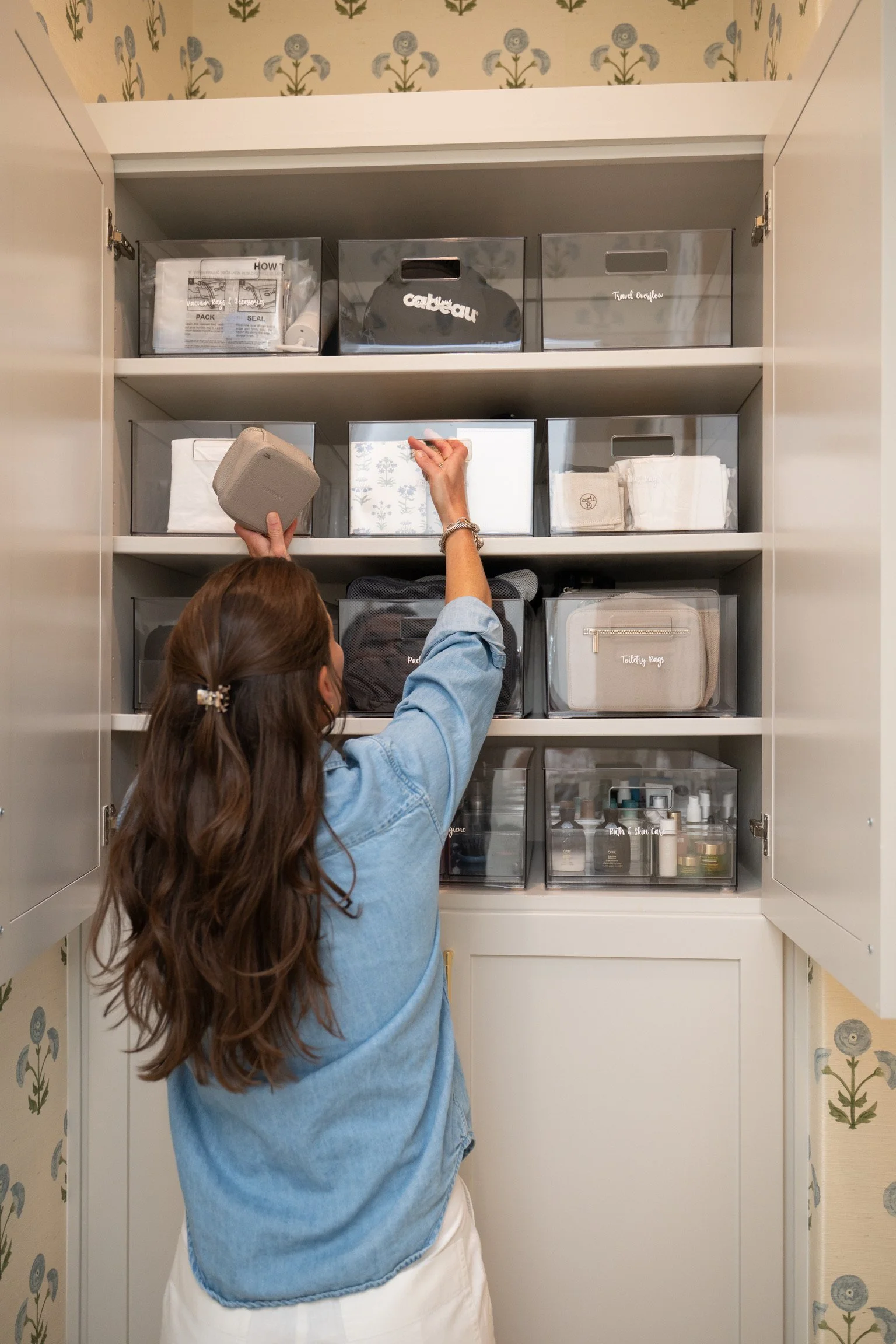
When most people think about home organization, they picture labeled bins, tidy closets, and beautifully arranged pantries. While we love all of that, it’s not why we do this work.
At Graceful Spaces, we're not organizing homes to create perfect spaces. We're organizing homes to create capable people, and that's true whether you're five years old, learning to put away your backpack, or eighty-five, figuring out how to keep a home manageable on your own terms. The age changes. The principle doesn't.
After working with hundreds of families, couples, individuals, and multigenerational households, we've learned that the most successful systems aren't necessarily the ones that photograph beautifully. They're the ones that create clarity, ownership, confidence, and participation for everyone living in the home, because organization isn't really about where things go. It's about helping the people under your roof understand expectations, contribute to shared spaces, and build skills they'll carry into every season of life.
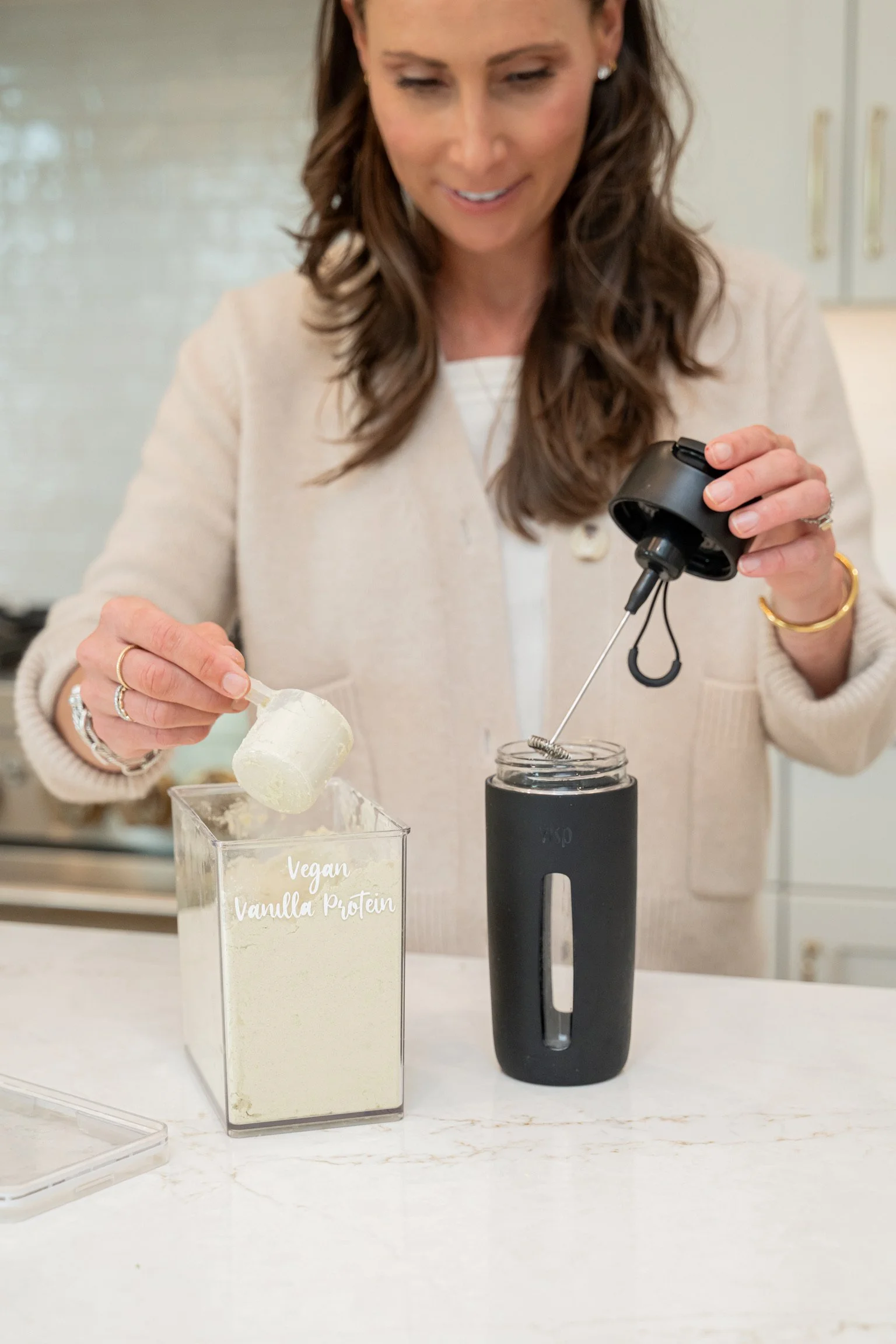
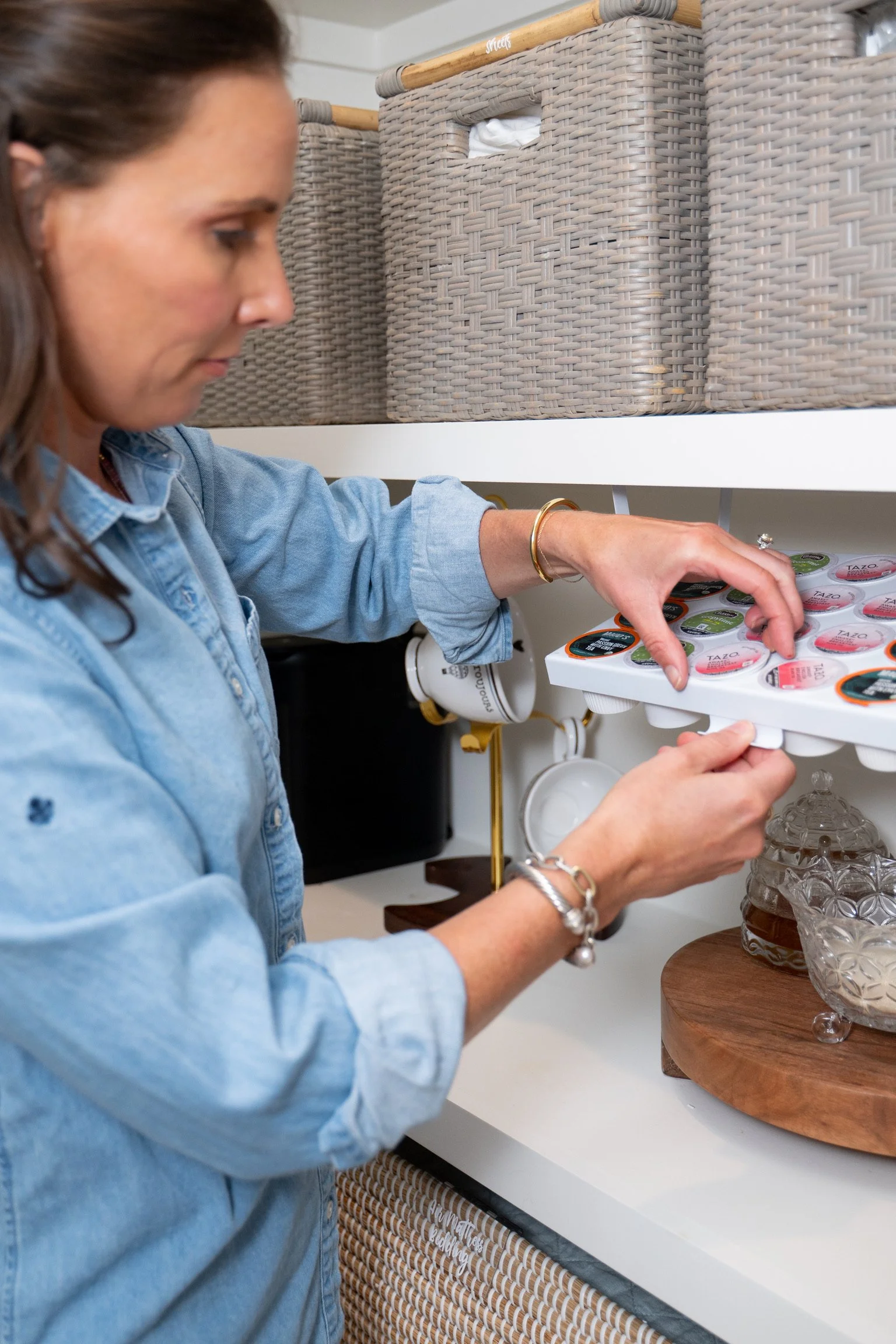
Home Organization Is About Much More Than Reducing Clutter
One of the biggest misconceptions we encounter is that organization is simply about reducing clutter.
In reality, thoughtful home organization creates opportunities for people at every stage of life to participate more fully in the life of the household. When systems are clear, people know where things belong. They know what's expected of them. They understand how to contribute, and they can identify when help is needed without waiting to be told. These are skills that extend far beyond the home.
They're the same skills that help a child become a supportive teammate, a young adult become a responsible roommate, a partner show up more consistently in a shared life, and a seasoned professional manage their time and environment with intention. Organization creates a framework for responsibility, accountability, communication, and teamwork, and it all starts with knowing where things belong.
This doesn't only apply to children. The same principles hold for couples navigating shared household responsibility, aging parents transitioning into a new living situation, or someone rebuilding a home after a major life change. At every stage, the question is the same: do the systems around you help you show up as your best self, or are they quietly working against you?
The Importance of Confidence & Ownership in Home Organization
One belief sits at the center of everything we do: confidence comes from capability. Encouragement and praise matter. But true confidence, the kind that actually sticks, grows when people successfully manage responsibilities and see themselves contributing to something larger than themselves.
We've watched four-year-olds help put away groceries. Five-year-olds take ownership of making their beds. Nine-year-olds run their own laundry systems, start to finish. We've also watched adults finally get ahead of the chaos that had followed them for years, and seen the shift that happens when a home starts working for them instead of against them.
The goal was never perfection in any of those moments. It was creating the conditions for real ownership, real responsibility, and real achievement.
Because confidence isn't built through words alone. It's built through doing.
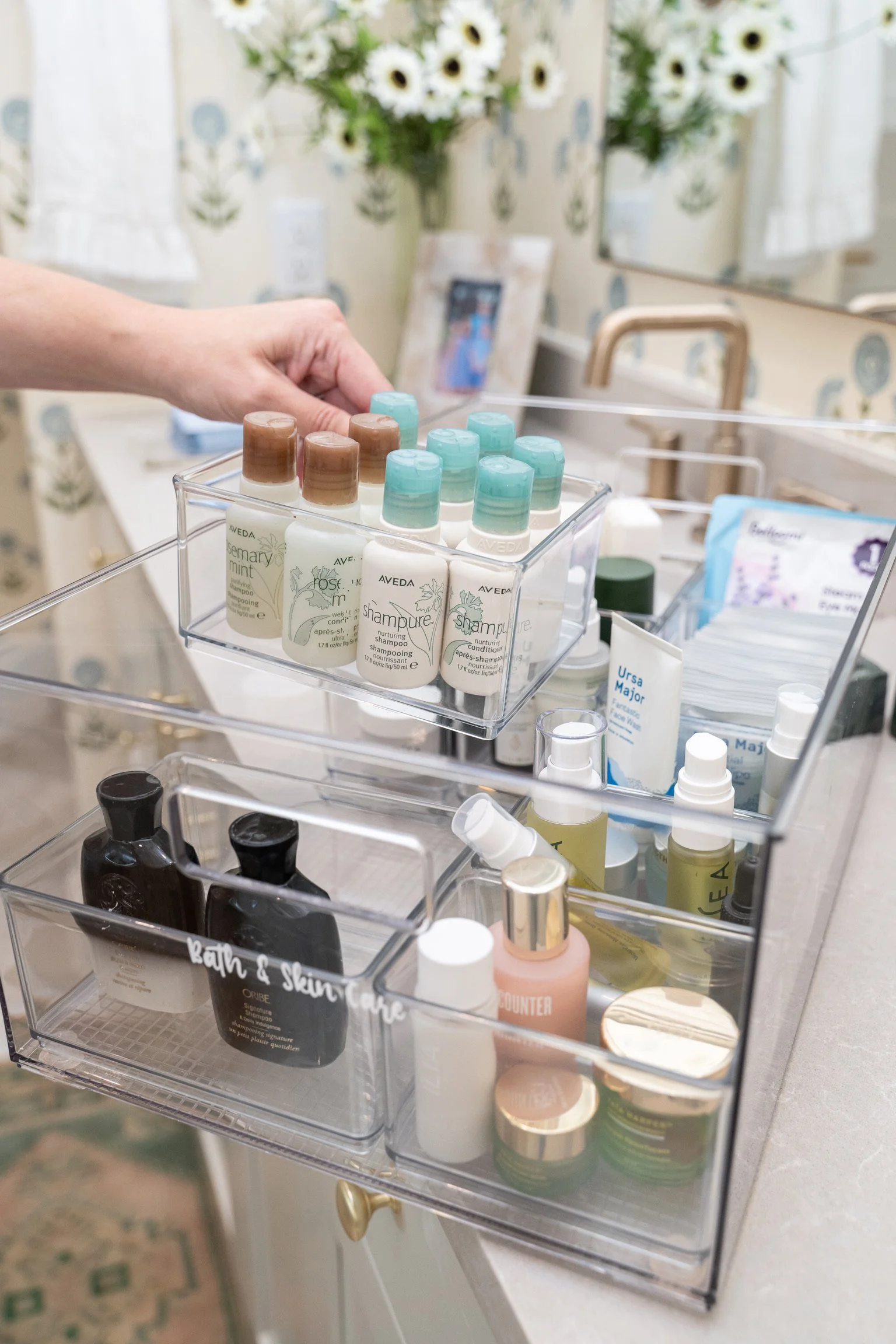
Why Systems Matter in Home Organization
Think about a preschool classroom. A single teacher manages twenty or thirty children, not because she does everything for everyone, but because the environment is built on clear systems, clear expectations, and clear boundaries. Children know where things belong. They understand routines. They know how to participate in maintaining the space around them.
The same principle applies at home, and it scales with whoever is living there.
Without systems, responsibilities live inside one person's head. Expectations become blurry. Family members, roommates, and partners struggle to identify where help is needed, and one person quietly absorbs the majority of the mental load. When systems are established, everyone has the opportunity to contribute, with different personalities, different ages, and different capacities, because everyone understands the framework. That's what an organization should accomplish.
Not perfection. Participation.
3 Everyday Systems We Use in Our Own Homes
The most effective systems are rarely the most complicated. They're the ones that consistently hold up against real life, and they work just as well for a household of one as they do for a family of five.
1. Laundry Systems
There's something almost meditative about a laundry system that actually works. When everyone in a household, regardless of age, knows their role in the process, laundry stops being the chore that lives perpetually in someone's mental to-do list and becomes something the home simply handles.
In our own homes, laundry responsibilities are shared and built to be appropriate for each person's stage and capacity. Everyone knows where clothes belong, how clean laundry moves through the system, and what full ownership looks like at their level. For our youngest children, that might mean moving clothes from the dryer to the basket. For older kids, it's the full cycle. For adults, it means never leaving the system in a state that creates work for someone else.
A few products that make this system work beautifully: designated hampers for each family member, shelf dividers to keep folded piles clean and separate, and drawer organizers that make putting things away genuinely easy. Linked below.
What this system actually teaches, at any age, is what we call full-circle ownership. A responsibility isn't finished when it's mostly done. Laundry is complete when the entire process is finished, and the system is ready for the next cycle. Learning to see something all the way through is one of the most transferable skills we know. Over time, people stop waiting to be told what needs attention and start noticing it themselves. That's where real ownership begins.
And for the record: perfect folding is not the goal. Participation is.
2. School and Daily Responsibility Management
Every household has a version of this challenge, whether you're managing a kindergartner's backpack or your own daily systems for work, mail, and the thousand small things that need a home to land in.
The principle is the same: when items have a designated place and routines are clear, the mental load drops and accountability naturally follows.
In our homes, backpacks, school papers, assignments, lunchboxes, and daily items all have consistent homes and consistent routines. Children know exactly what to do when they walk in the door, not because we remind them, but because the system does.
The setup that makes this work: wall hooks at kid-appropriate heights, a simple command center for papers and permission slips, and labeled file organizers for anything that needs to be saved. Linked below.
What this system teaches is accountability and independence, and it slowly, graciously transfers the mental load off the parents. Instead of one person tracking every permission slip and assignment, children begin to understand their own role in managing information and responsibility. The same shift happens for adults when systems replace the mental juggling act; you spend less energy remembering where things are and more energy on what actually matters.
Over time, people become better at noticing what needs attention before someone else has to point it out. That habit follows them everywhere.
3. Weekly Reset
This is the one system we recommend to every single household, without exception, family of four, couple in a new apartment, empty nester, single professional. Everyone benefits from a weekly reset.
Once a week, the household participates in a reset that brings bedrooms, shared spaces, and daily systems back to baseline. It's not a deep clean. It's not a reorganization. It's simply a return to the framework that everyone agreed upon, a chance to close open loops before the week begins again.
What makes reset day easier: a few well-placed storage bins, closet organizers that make it simple to put things back, and cleaning caddies that move with you through the house. Linked below.
A weekly reset prevents small things from quietly compounding into overwhelming ones. It creates a natural moment for everyone to evaluate spaces, finish unfinished tasks, and restore order, and it makes accountability visible, because everyone contributes and everyone benefits.
It also reinforces something important: maintaining a home isn't one person's responsibility. It's a shared one. That's true whether you're resetting with a spouse, a roommate, a household full of kids, or doing it entirely on your own as an act of care for the space you live in.
In our homes, bedrooms stay lived in throughout the week. Projects remain in progress. Art supplies stay in the art room, and Legos stay on the Lego table. The focus isn't constant perfection. The focus is on making sure items stay connected to their designated spaces and that shared areas are respected. Common spaces are reset daily because they serve everyone. Private spaces get a little more grace.
Every Household Gets to Define Success Differently
One thing we've learned from working with hundreds of families, individuals, couples, empty nesters, and multigenerational households is that there is no universal definition of a successful home.
Some children leave for college having managed their own laundry for years. Others learn those skills later and figure them out when the time is right. Some people spend their thirties finally getting ahead of the chaos that followed them since childhood. Some spend their sixties thoughtfully, letting go of things they've held for decades, creating a home that finally reflects who they actually are.
Every season is valid. Every starting point is valid.
For a young family, success might mean children taking on age-appropriate responsibility early. For a couple, it might mean finally dividing household labor in a way that actually feels fair. For an empty nester, it might mean reclaiming the home and rediscovering what it feels like when it's just them again. For someone older, it might mean creating systems that make daily life easier and more manageable. The goal is never to check a box. The goal is to create a home that genuinely works for the people living in it, now, in this season, for this version of your life.
What we do know is that organization is a powerful tool at every stage. Clear systems create opportunities for responsibility. Clear expectations create opportunities for accountability. Shared ownership creates opportunities for connection, because taking care of a home together, at any age, is one of the most ordinary and meaningful things people can do for each other.
What We've Learned Along the Way
After organizing hundreds of homes, a few truths continue to prove themselves.
Ownership matters more than perfection.
The most successful systems aren't maintained because they're beautiful. They're maintained because people understand them and feel genuinely invested in them.
People are capable of more than we often expect, at every age.
One of the most common mistakes households make is assuming someone can't handle a responsibility. Children rise to meet clear expectations. Adults rediscover capability when systems stop working against them. People in their seventies and eighties are some of the most intentional, engaged clients we work with.
Confidence is built through doing.
Not through praise alone, through achievement. When someone successfully manages a responsibility, contributes to a shared space, and sees the results of their own effort, something shifts. They begin to trust themselves. That's true at five, and it's true at fifty.
Full-circle ownership matters more than task completion.
Unloading the dishwasher isn't just about putting dishes away. It's about noticing it needs to be done, completing the task, and leaving the kitchen ready for the next cycle. When people learn to see responsibilities all the way through, they begin to notice where work needs to happen, without being asked. That skill follows them everywhere.
Consistency matters more than complexity.
Simple systems used consistently outperform elaborate ones every single time.
Homes function as ecosystems.
Organizing one closet rarely solves the problem. True organization considers how spaces work together, zone planning, routines, expectations, and systems that flow from room to room and support the full rhythm of daily life.
Why Beauty Matters in Home Organizing, Too
You'll notice that we care deeply about creating genuinely beautiful spaces. That's not vanity, it's intentional.
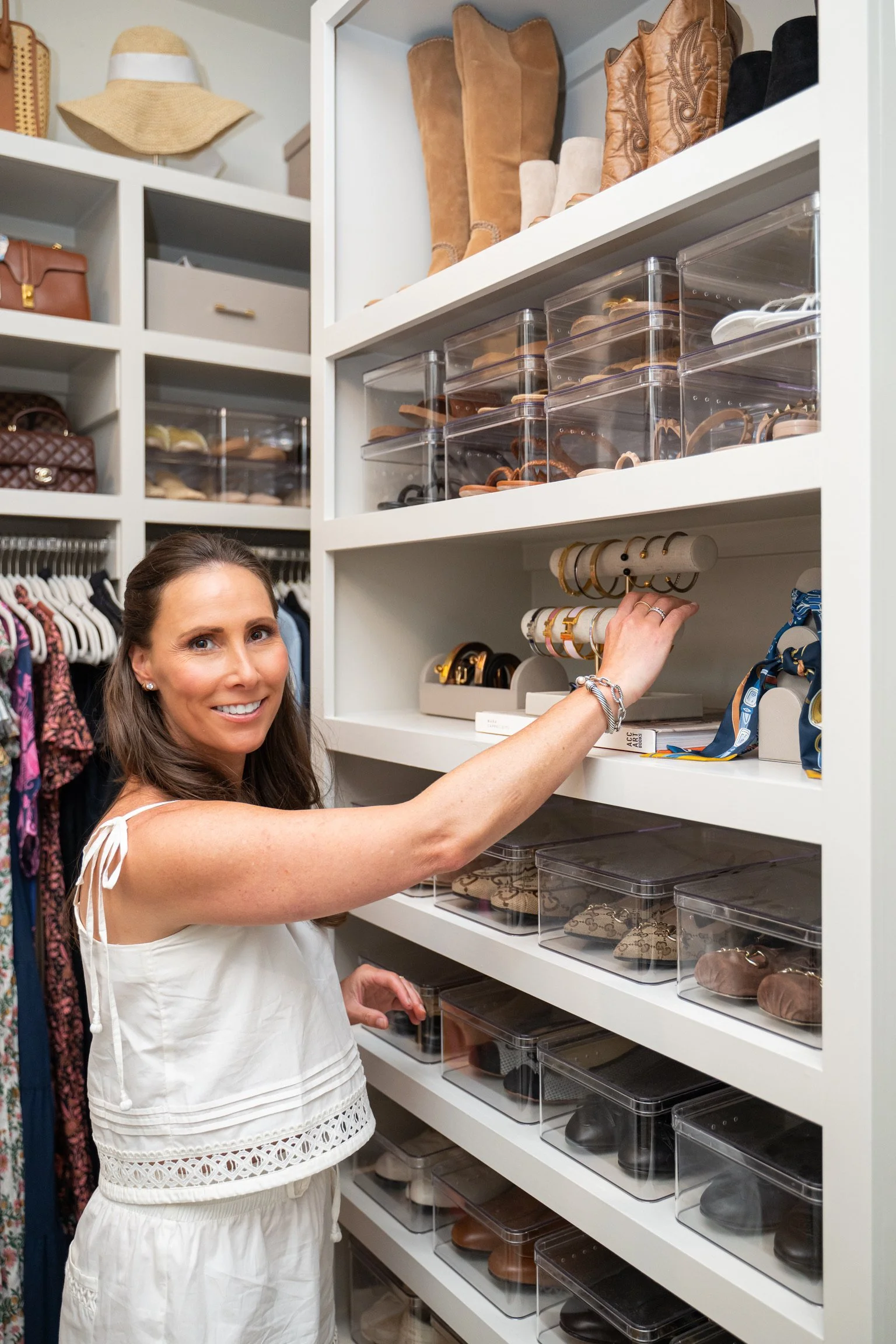
While systems are the foundation of every organized home, people are significantly more likely to maintain spaces they actually love. When a space feels calm, considered, and aligned with the rest of the home, people naturally want to care for it. That's human nature, and it applies across every age and life stage. That's why our work doesn't stop at functionality. We carefully consider how organizational systems integrate with the overall aesthetic of a home. The products we select, the zones we create, the solutions we implement, all of it is designed to enhance the beauty of a space, not compete with it.
Because sustainable organization isn't built through systems alone, and it isn't built through aesthetics alone. It happens when beauty and function become genuine partners. A beautiful space without a system eventually becomes cluttered. A system without thoughtful design often feels sterile and hard to maintain. When both work together, something shifts, a home begins to function well, feels good to be in, and becomes genuinely easier to keep up over time.
That's where lasting change happens.
An Organized Home Creates the Foundation for Success
At Graceful Spaces, we often say that ability doesn't always equal capacity.
Most people have the ability to create systems in their homes. What they're often missing is the capacity. Life is full. Work is demanding. Seasons change, and so do households. Children grow up and leave. Partners come and go. Parents move closer. We downsize, upsize, start over. We take care of aging parents while also raising kids. We lose someone and have to figure out what home looks like now. Every transition is an opportunity to reset intentionally, and that's exactly where we come in.
We create the baseline, the same way a classroom is thoughtfully prepared before students arrive on the first day of school. Systems, expectations, and solutions are put in place so that everyone, regardless of age, stage, or starting point, can step into ownership and succeed.
Because organization is about far more than tidy spaces.
It's about helping people function better in their daily lives. It's about teaching responsibility and building confidence through capability. It's about creating beautiful spaces that people genuinely love, and actually want to maintain. And it's about the quiet, powerful truth that taking care of how we live, what we own, and the spaces we share with others is an act of respect, for ourselves, and for everyone around us.
Whether you're five or eighty-five, the principle is the same. We're not organizing homes to create perfect spaces. We're organizing homes to create capable people.
You don’t have to figure this out alone.
If you’ve been dreaming about a space that feels this good, one that’s beautiful and actually works for your real life, that vision is already in you. It just needs the right support to come alive.
Work with us at home
With love,
Christina
Have a question I didn’t answer? Leave it in the comments, I’ll check and respond.
Graceful Living is where we share the things that make life feel a little more intentional and a lot more beautiful. From thoughtful ways of living and everyday rituals to style inspiration, favorite recipes, travel moments, and the small joys that elevate the ordinary... this space is meant to inspire a life well lived.
If you love content that feels calm, curated, and life-giving, I’d love for you to be part of our inner circle.
By joining our Graceful Living subscriber list, you’ll receive our newest posts straight to your inbox, so you never miss a story, idea, or inspiration we share: thoughtful living, elevated everyday moments, style, recipes, travel, and joy, beautifully woven together.
Click the link below to subscribe and make sure you’re receiving our Graceful Living emails. I can’t wait to share more with you.
The Things We Use Every Day
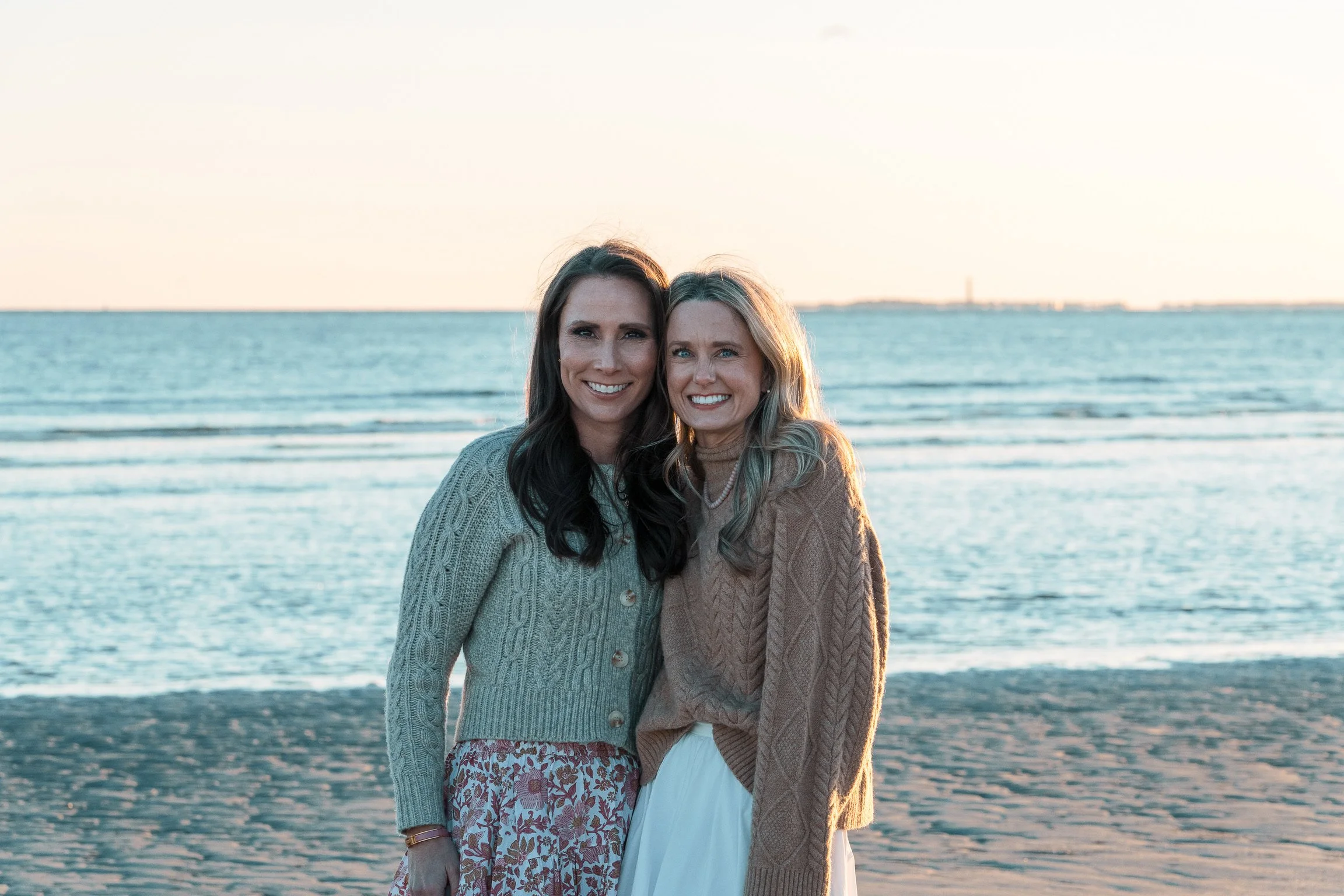
And if you’d like to follow along with what Rebecka and I genuinely love, we’ve created shop pages that bring all of our favorites into one place. A simple way to explore what we consistently reach for in our own homes, whether you’re looking for inspiration or ready to try something new.
follow us on shop my
follow us on ltk
More Inspiration
Our Charleston Home Organization Our Purely Organized Service GS Top 5 Pantries Meet Our Team More From Graceful Living