
Create a Calendar That Supports the Life You Want

Last month, I shared a reflection inspired by Jennie Allen’s words about pressure. One idea in particular stayed with me:
Maybe the goal isn’t to build a life with less pressure. Maybe the goal is to make sure the pressure we’re carrying is connected to what matters most.
That perspective changed how I think about my schedule. Because while I fully believe some pressure is a natural part of a meaningful life, I also know what happens when I stop being intentional with my time. I overcommit. I say yes too often. I convince myself I can wear every hat at the same time.
In my mind, I’m simultaneously a fully present mom, an engaged wife, a CEO, a great friend, a traveler, a homeowner, and somehow also someone with unlimited free time. The reality is a little different. And while I haven’t figured this out perfectly, I’ve learned that if I don’t proactively decide where my time is going, something else will decide for me.
That’s why I’ve become such a believer in time blocking. Not because it removes pressure. Because it helps me be intentional about which pressure I choose to carry.
Start With the Year
One of the most valuable things I’ve started doing over the past few years is planning my calendar annually before I plan it monthly, weekly, or daily. For years, I looked at my schedule one week at a time. Now, I start with the entire year.
I map out: family vacations, team retreats, holidays, birthdays, school schedules, summer camps, travel, personal commitments, and major work initiatives.
And every year, I’m surprised by the same thing. There is less available time than I think.
For example, our girls’ birthdays, camp schedules, and family vacations all happen between June and mid-July. Before I even schedule anything else, that season already carries a lot of attention, preparation, and emotional energy. I’ve also noticed that the final month of almost every quarter includes something significant. A holiday season, a retreat, travel, or a major family commitment.
For years, I planned as though I had three full project months every quarter. The reality? Most quarters only give me about two. That realization changed how I think about goals, commitments, and expectations. Instead of planning based on an idealized version of life, I’m planning based on the life I’m actually living. And honestly, that’s been incredibly freeing.
Don’t Just Block the Event. Block the Preparation.
One lesson that has taken me an embarrassingly long time to learn is that activities don’t just take activity time. They take preparation time. And recovery time.
For years, I would put something on the calendar and assume I’d magically figure out the rest. A leadership retreat. A birthday party. Summer camp. Christmas. A family vacation.
In my mind, I was accounting for the event itself. What I wasn’t accounting for was everything surrounding it. The shopping. The planning. The packing. The decorating. The cleanup. The unpacking. The catch-up work afterward.
As I’ve gotten older, I’ve realized that many of the stressful moments in my life weren’t caused by the event itself. They were caused by failing to account for everything the event required. Now, when I look at my annual calendar, I don’t just block the event. I block the preparation. I block the recovery. And I intentionally create more margin than I think I need. Because while I may still be tempted to squeeze five days of activity into two days of preparation, experience has taught me that life works better when I don’t. This shift alone has dramatically changed how I experience busy seasons.
Related Resources:
Then Move to the Week
Once I understand the bigger picture, I move to weekly planning. One of the most helpful systems I’ve created is assigning a purpose to each day. Mondays and Wednesdays are leadership days. Those are the days I focus on leading our team, solving problems, making decisions, and moving priorities forward. Tuesdays are intentionally meeting-free. They’re reserved for heads-down project work, personal appointments, creative thinking, and focused execution. Thursdays are for recurring monthly commitments. Content creation. Program meetings. Strategic conversations. The things that need dedicated time but don’t necessarily require my attention every week. Fridays become a catch-all day. It’s where I tie up loose ends, prepare for the following week, and create breathing room.
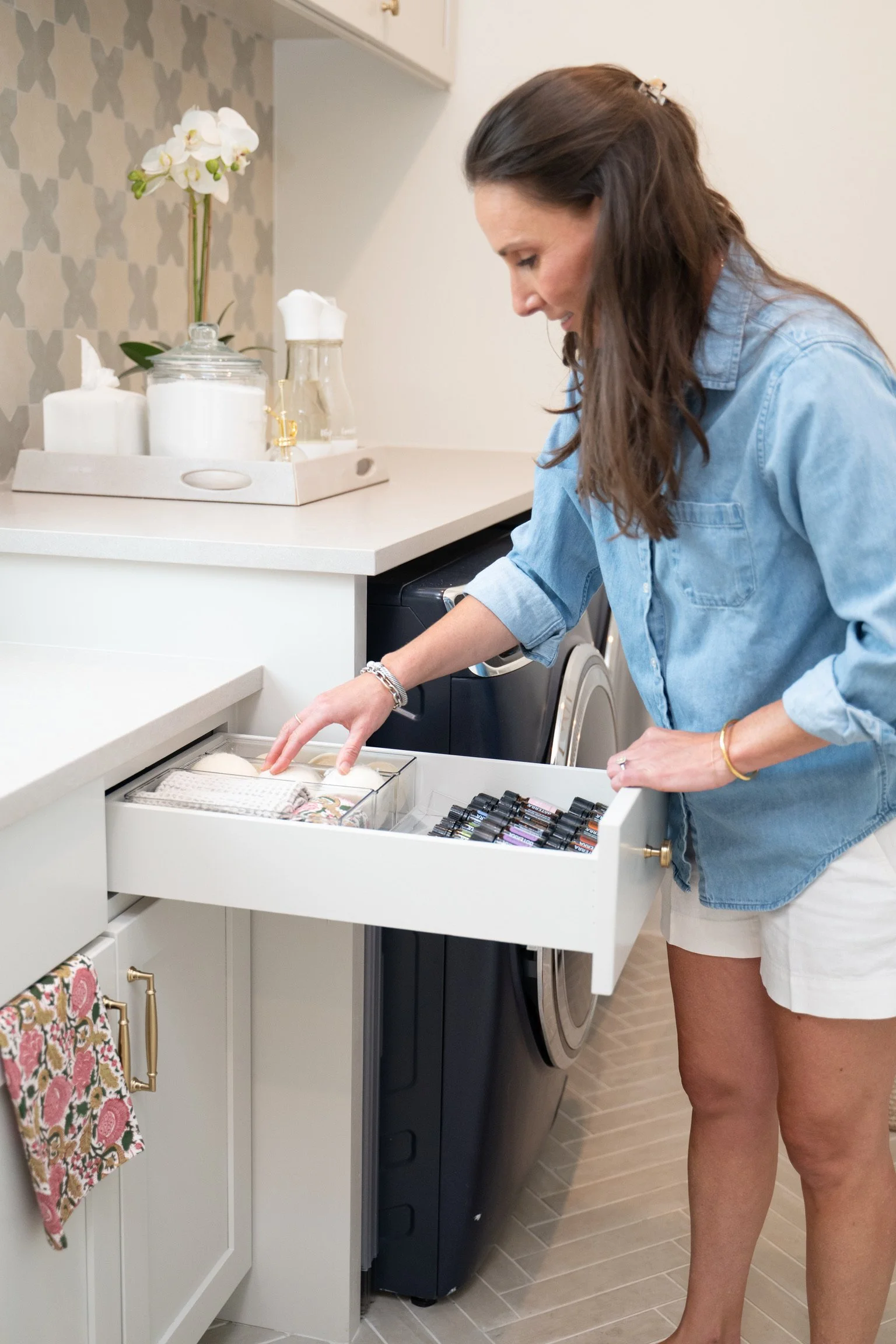
This structure helps me quickly evaluate whether something truly deserves a weekly meeting, or whether it should actually be biweekly or monthly. It also keeps me from creating five identical days that leave me feeling reactive and scattered. As a CEO, I’m constantly moving between leadership, strategy, marketing, operations, finances, and people development. Without structure, my attention can end up everywhere at once. This helps me focus on what matters most in the moment.
We Time Block Life Too
This isn’t just a work practice. Graeme and I use similar principles in our personal lives. Saturday mornings are golf for Graeme. For me, they’re often reserved for errands, projects around the house, and honestly, some of my favorite activities, wandering around tackling random tasks that feel important in the moment. Saturday afternoons become family time. Sunday mornings begin with church. And most Sundays, Graeme and I spend one to two hours together on the porch. It’s not a replacement for date night. We still value dedicated date nights tremendously. But this is different. It’s predictable. It’s protected. And it rarely gets taken away by the demands of the week.
Sometimes we’re planning. Sometimes we’re reflecting. Sometimes we’re simply enjoying coffee together. The point isn’t what happens during that time. The point is that we’ve intentionally made space for it. Those few hours have become one of the anchors of our week.
Not Every Hour Requires the Same Version of You
One of the most valuable tools I’ve discovered is Cloverleaf. Our business coach, Sarah Warren, introduced us to it, and it has become one of my favorite leadership resources. Cloverleaf combines multiple personality assessments into one platform and helps you better understand yourself, your team members, and how your team functions collectively.
One of the biggest lessons it reinforced for me is that not every hour of the day is best used for the same type of work. Some hours are better for creative thinking. Some are better for meetings. Some are better for strategic planning. Some are better for execution. Understanding your own rhythms can help you build a schedule that works with your energy instead of constantly fighting against it. For leaders, it’s also an incredible tool for understanding team dynamics and identifying strengths, opportunities, and gaps across the organization.
Related Resource:
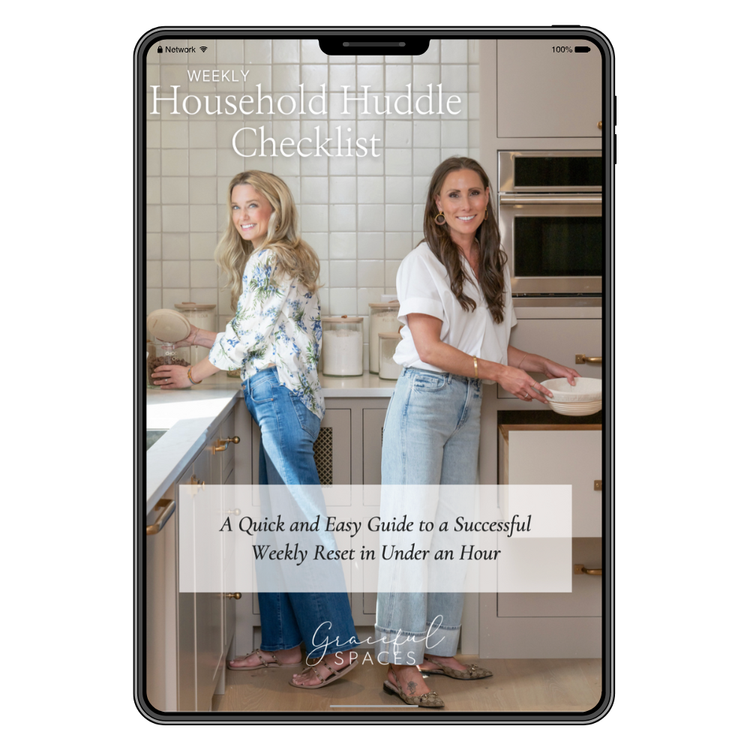
The Household Huddle: A Weekly Reset for the Whole Family
If mapping purpose onto your days resonated, the hardest part is usually getting everyone else on board. The Household Huddle is the short, repeatable family check-in we use to align on the week ahead, before the week decides for us. It's how we trade scattered and reactive for calm and prepared.
Download the free guide
Protect What Matters
One of the most surprising lessons I’ve learned is that time blocking isn’t just about protecting work. It’s about protecting life.
Last year, I wrote about how getting a puppy changed my routine. One unexpected benefit was that it forced me to leave my desk. To go for walks. To get outside. To move. To create moments of joy in the middle of busy days. Those moments matter too. In fact, they’re part of the reason we work so hard in the first place. It’s easy to fill every available space with obligations. It’s harder, and more important, to intentionally create room for joy, relationships, health, rest, and fun.
Related Resource:
Creating Support Systems
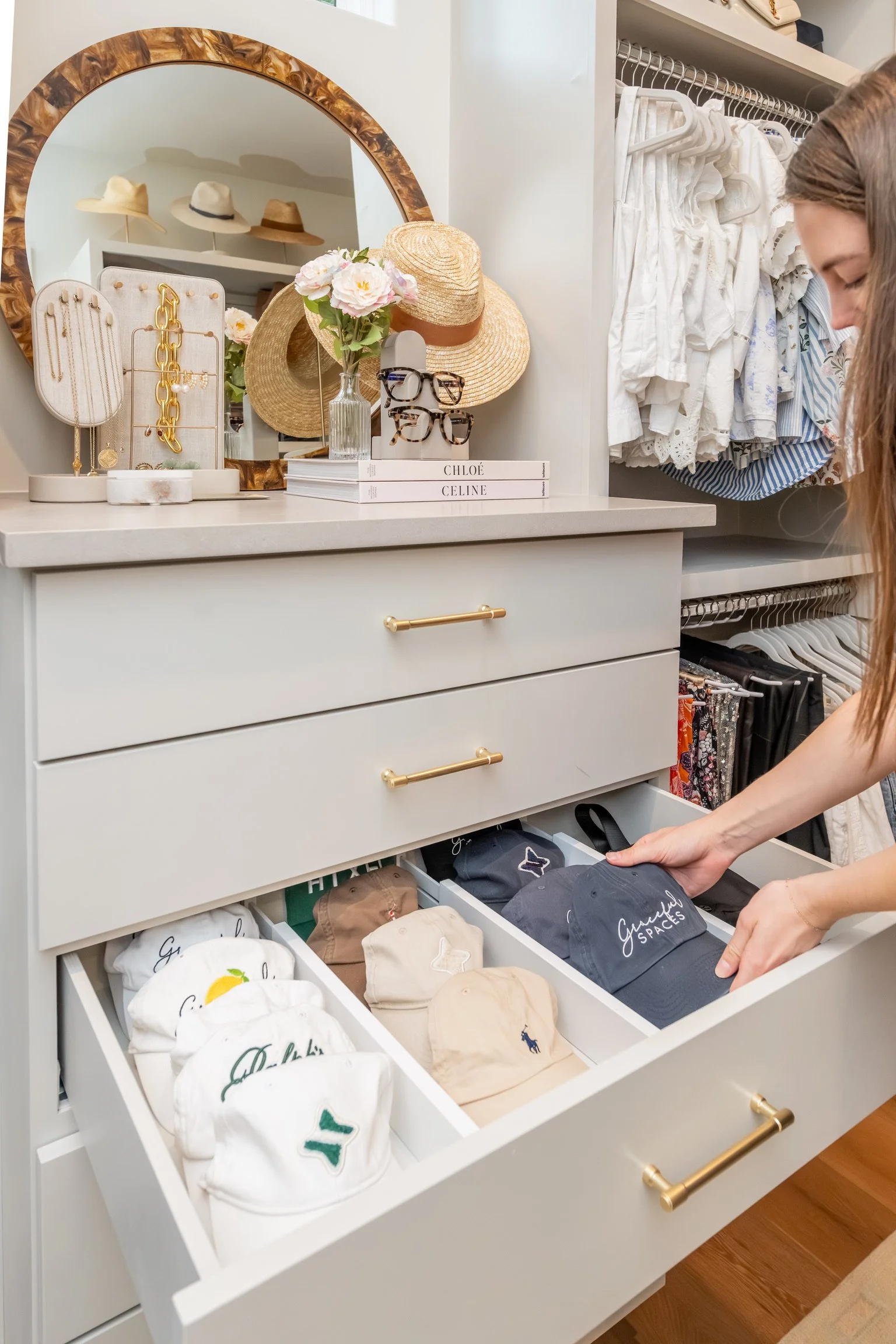
One of the biggest misconceptions about being organized is that organization means doing everything yourself. I’ve learned that’s simply not true. Organization isn’t about doing more. It’s about creating systems of support.
One of the ways I’ve done that in my own life is through our Graceful Spaces Refinement Service. In many ways, it’s the service I personally use the most. After our move, it helped me unpack, reset spaces, and continue refining systems as we settled into our new home. During busy seasons, it’s helped us process birthday gifts, reset children’s spaces, relabel areas as our needs changed, and stay on top of the ongoing realities of family life.
Because here’s the thing: Even when you’re traveling, hosting guests, celebrating birthdays, attending camp drop-offs, and juggling a busy season, normal life doesn’t stop. Laundry still needs folding. The pantry still needs attention. The house still needs maintenance. The kids still need to get where they’re going. The refinement service creates breathing room during those seasons.
Whether it’s weekly, monthly, or every eight weeks, having dedicated support helps ensure that the systems we’ve created continue working even when life becomes especially full. For me, that’s what organization is really about. Not perfection. Support. Because the goal isn’t to keep up with everything on your own. The goal is to create a life that feels sustainable.
Learn more about our Refinement Membership
If you’re an established Graceful Spaces client, our Refinement Membership was designed with this exact season of life in mind. It provides ongoing support to help you maintain the systems we’ve created together, make thoughtful adjustments as your needs change, and continue refining your home so it works beautifully for the life you’re living now.
The Pressure Is Still There
Do I still feel pressure? Absolutely. Do I still get stressed? Of course. Do I still occasionally overcommit? Ask anyone who knows me.
But time blocking has given me something incredibly valuable: Perspective.
It reminds me that time is finite. It helps me make intentional choices. It helps me understand the true cost of saying yes. And perhaps most importantly, it helps me align my calendar with the life I’m trying to build. Because pressure isn’t necessarily the problem. A meaningful life will always come with some weight. The question is whether that weight is connected to what matters most.
For me, time blocking isn’t about controlling every minute. It’s about making sure my time reflects my priorities. And while that doesn’t eliminate pressure, it does help me carry it with greater purpose and intention. Because the goal isn’t a pressure-free life. The goal is a life that’s aligned with what matters most.
You don’t have to figure this out alone.
If you’ve been dreaming about a space that feels this good, one that’s beautiful and actually works for your real life, that vision is already in you. It just needs the right support to come alive.
Work with us at home
With love,
Christina
Have a question I didn’t answer? Leave it in the comments, I’ll check and respond.
Graceful Living is where we share the things that make life feel a little more intentional and a lot more beautiful. From thoughtful ways of living and everyday rituals to style inspiration, favorite recipes, travel moments, and the small joys that elevate the ordinary... this space is meant to inspire a life well lived.
If you love content that feels calm, curated, and life-giving, I’d love for you to be part of our inner circle.
By joining our Graceful Living subscriber list, you’ll receive our newest posts straight to your inbox, so you never miss a story, idea, or inspiration we share: thoughtful living, elevated everyday moments, style, recipes, travel, and joy, beautifully woven together.
Click the link below to subscribe and make sure you’re receiving our Graceful Living emails. I can’t wait to share more with you.

The Things We Use Every Day
And if you’d like to follow along with what Rebecka and I genuinely love, we’ve created shop pages that bring all of our favorites into one place. A simple way to explore what we consistently reach for in our own homes, whether you’re looking for inspiration or ready to try something new.
follow us on shop my
follow us on ltk
More Inspiration
Our Charleston Home Organization Our Purely Organized Service GS Top 5 Pantries Meet Our Team More From Graceful Living