7 Zones Every Family Needs Before Back-to-School
Preparing for a new school year usually begins with the obvious. School supplies are purchased, calendars begin filling up, shoes are replaced, and routines slowly start taking shape. Yet one of the most important preparations is often overlooked: the home itself.
A busy season doesn’t create disorganization; it simply reveals where a home is no longer supporting the people who live there.
When backpacks are dropped wherever there’s an open surface, lunch supplies are scattered across multiple cabinets, or homework happens at whichever table is available, even the best intentions begin to unravel. Individually, these moments seem small. Together, they become the reason mornings feel rushed, evenings feel chaotic, and everyone spends more time searching than simply moving through the day.
Our approach begins long before deciding where something should be stored. We first consider how a home needs to support the rhythms of everyday life, then design systems that make those routines feel effortless. Every organizing decision has a purpose, every product has a job, and every space is designed to support the people who use it.
Design Around Routines, Not Rooms
Beautifully organized rooms are only the beginning. The real transformation happens when your home begins to support what matters most—making mornings smoother, creating space for connection, encouraging healthier habits, and giving you more margin for the moments that matter.
Because life doesn’t happen one room at a time. It happens through the repeated rhythms of each day: leaving for school, packing lunches, unloading backpacks, finishing homework, and preparing for tomorrow. When those routines have a thoughtful place to land, your home requires fewer decisions, creates less friction, and becomes easier to maintain over time.
These are seven of the zones we return to time and again because they are designed to support the everyday moments families experience season after season—not just the day we complete the project.
1. The Drop Zone
The transition from school to home happens in seconds, but it sets the tone for the entire evening.
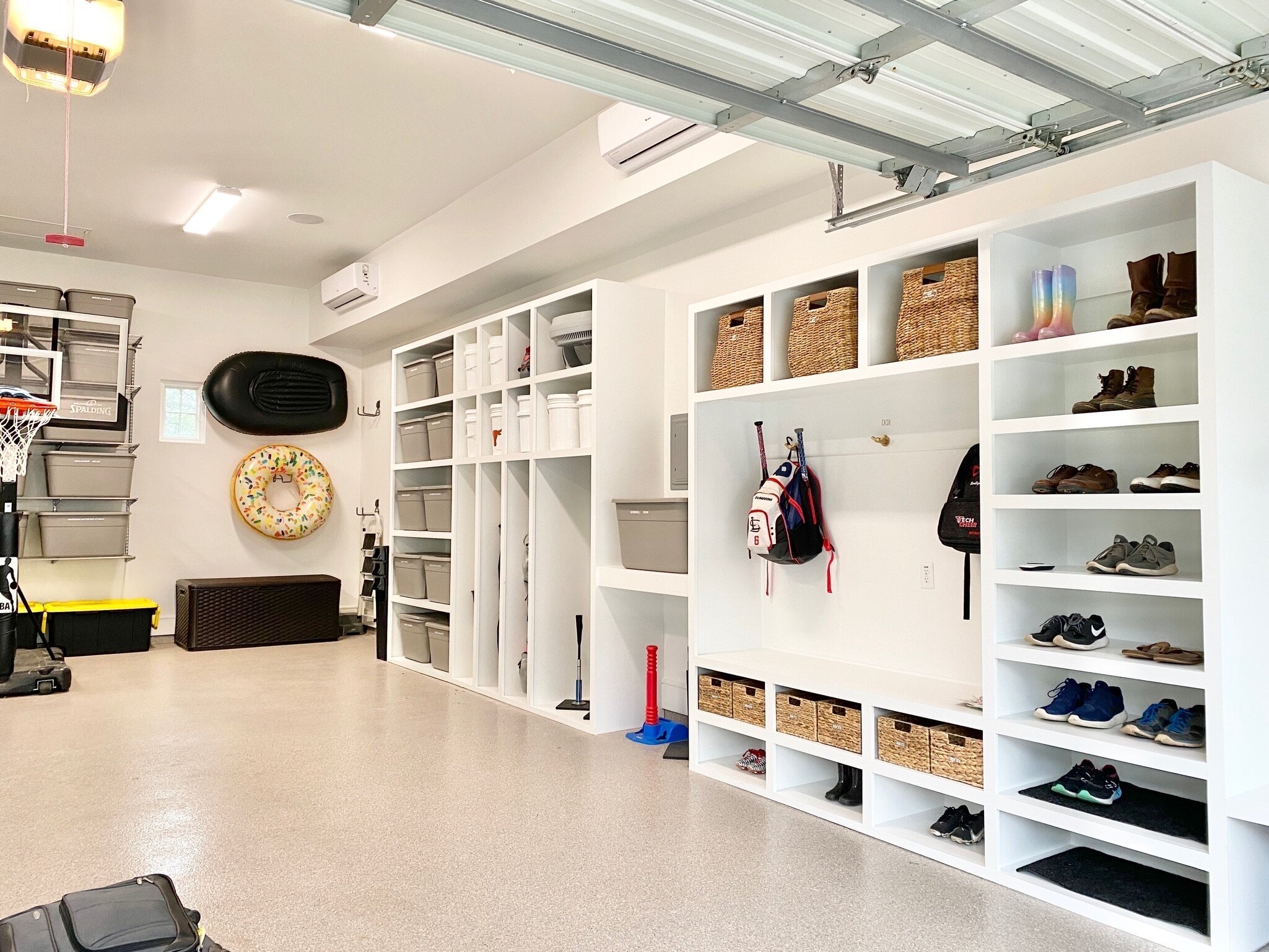
A dedicated drop zone creates a natural landing place for backpacks, lunch boxes, jackets, shoes, and sports equipment before they have the chance to spread throughout the house. Located near the entrance your family uses most, this space eliminates the daily search for essentials while making tomorrow morning easier before it even begins. Simple additions like hooks, drawers, baskets, and personalized labels make the system easy for every member of the family to maintain.
One of our favorite examples is the mudroom in our Nashville Nest project. Rather than simply creating storage, we customized the space around this family’s daily routines and natural friction points. Two of our favorite additions were labeled bins for “Treasures” and “Library Books”.
The “Treasures” bin gives children a designated home for the little things they love bringing home: a toy from Chick-fil-A, a birthday party favor, a handful of rocks collected outside, or whatever happens to feel important that day. Instead of those items ending up scattered throughout the house, they have a place that feels intentional.
The “Library Books” bin solved another common frustration. Because books always returned to the same location after school, they were easy to find on library day, helping the family avoid missed returns and last-minute searches.
Explore our Nashville Nest Home Tour →
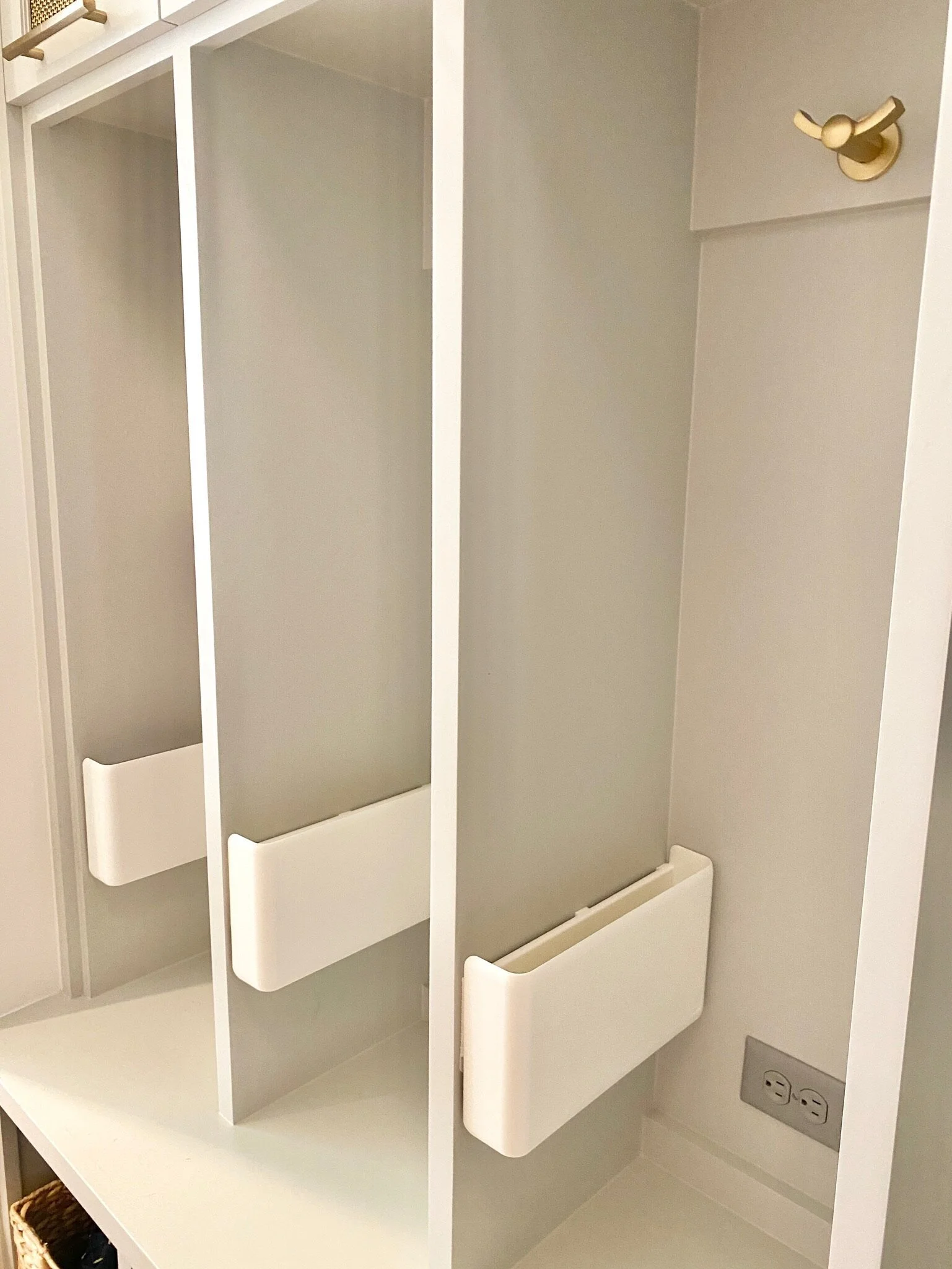
We also love making use of the inside of cabinet doors in drop zones. Adhesive bins are perfect for permission slips, homework, artwork waiting to come inside, or forms that parents need to review. Encouraging children to unpack those papers as soon as they walk in the door builds responsibility while creating a simple system that helps parents stay ahead of the constant flow of school paperwork.
Complimentary Resource: Our Luxe Label Guide
One of the details that helps these systems feel truly customized is intentional labeling. Labels aren’t just about making a space look beautiful; they help every member of the family understand where things belong and make it easier to maintain the system over time.
If you’re curious how we approach labeling in our client homes, we created our complimentary Luxe Label Guide, sharing exactly how we design custom vinyl labels, from choosing the right wording and placement to creating labels that feel elevated while remaining functional.
2. The Command Zone
Alright, parents…this one is for you.
Every busy household benefits from having one place where information lives. Permission slips, calendars, invitations, grocery lists, and school paperwork all compete for attention. Without a dedicated location, they quickly become visual clutter scattered across kitchen counters and backpacks. Your command center doesn’t have to look the same as anyone else’s.
Depending on your home, it may live inside your mudroom, pantry, entryway, or even inside a dedicated kitchen cabinet. We’ve designed command centers in all of these locations. The goal isn’t where it lives; it’s creating one reliable place where everyone knows to look.
One product our co-founders and several members of our team love is the Skylight Calendar. Especially for families with younger children, it creates an easy way for everyone to stay on the same page. Parents can update chores, appointments, reminders, sports schedules, and daily routines directly from their phones, while children have one central place to see what’s expected of them each day. It’s one of those small investments that often creates significantly less stress throughout the week.
3. The Lunch Prep Zone
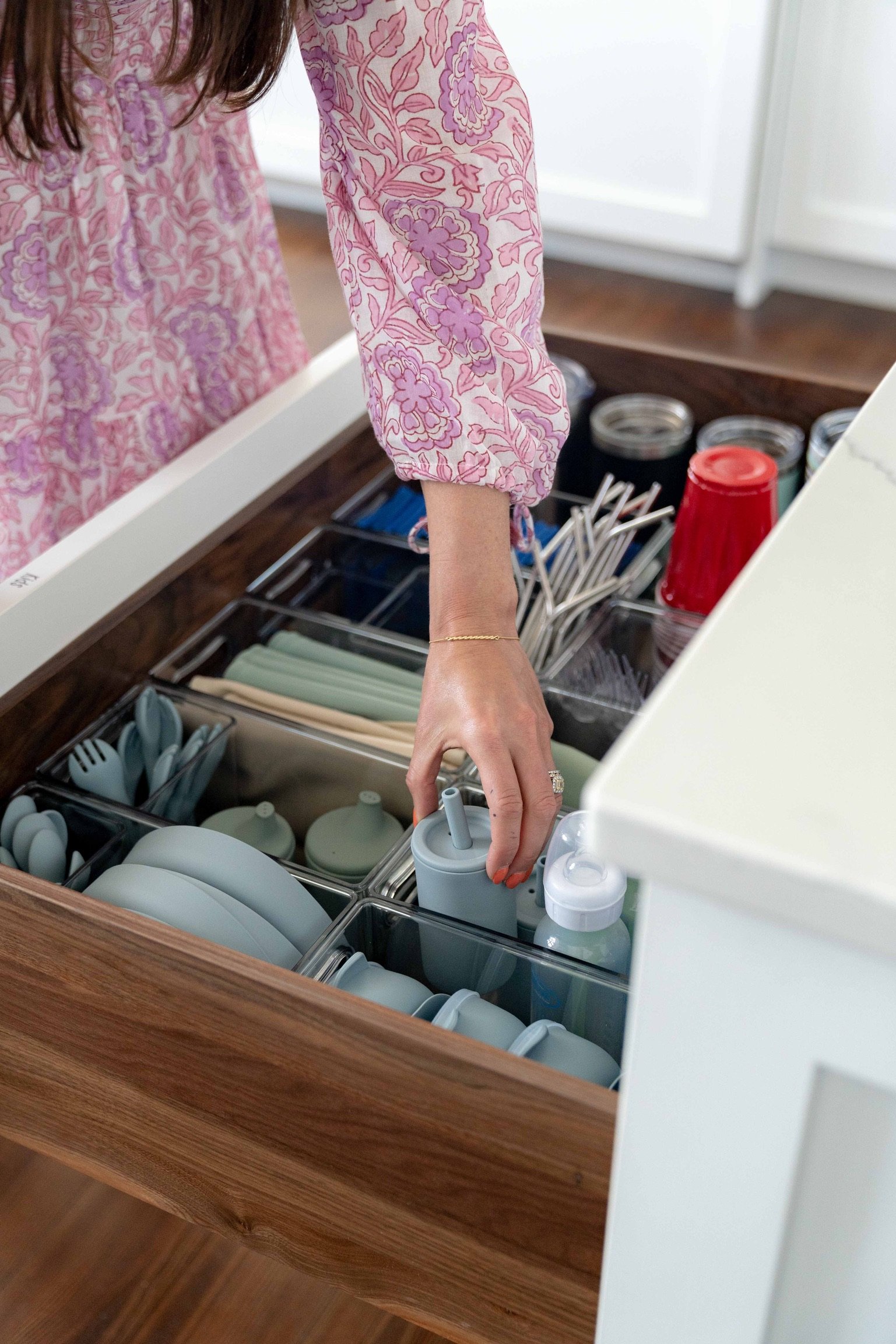
Packing lunches is one of those routines that rarely feels complicated until everything you need is stored somewhere different. Keeping lunch containers, reusable bags, water bottles, utensils, wraps, and grab-and-go snacks together creates a complete workstation that simplifies one of the busiest parts of the day.
This is one of the organizing zones our team feels most passionate about because you’ll notice the difference immediately, often on the very first morning of school. Lunch prep shouldn’t require you to walk back and forth across the kitchen collecting supplies from five different cabinets. Instead, think through every single item you regularly reach for. Lunch containers, water bottles, sandwich bags, reusable bags, snack bags, napkins, utensils, lunch notes, permanent markers, ice packs, wraps, if you use them every day, it belongs together.
Where this zone lives matters just as much as what’s inside it. If you’re constantly pulling ingredients from the refrigerator, position your lunch prep station nearby to reduce unnecessary steps during your morning routine. A few minutes saved every morning quickly adds up over the course of an entire school year.
4. The Breakfast and Snack Zones
Let’s talk about breakfast and snacks… because these are the routines that bookend the school day and keep your pantry in constant motion.
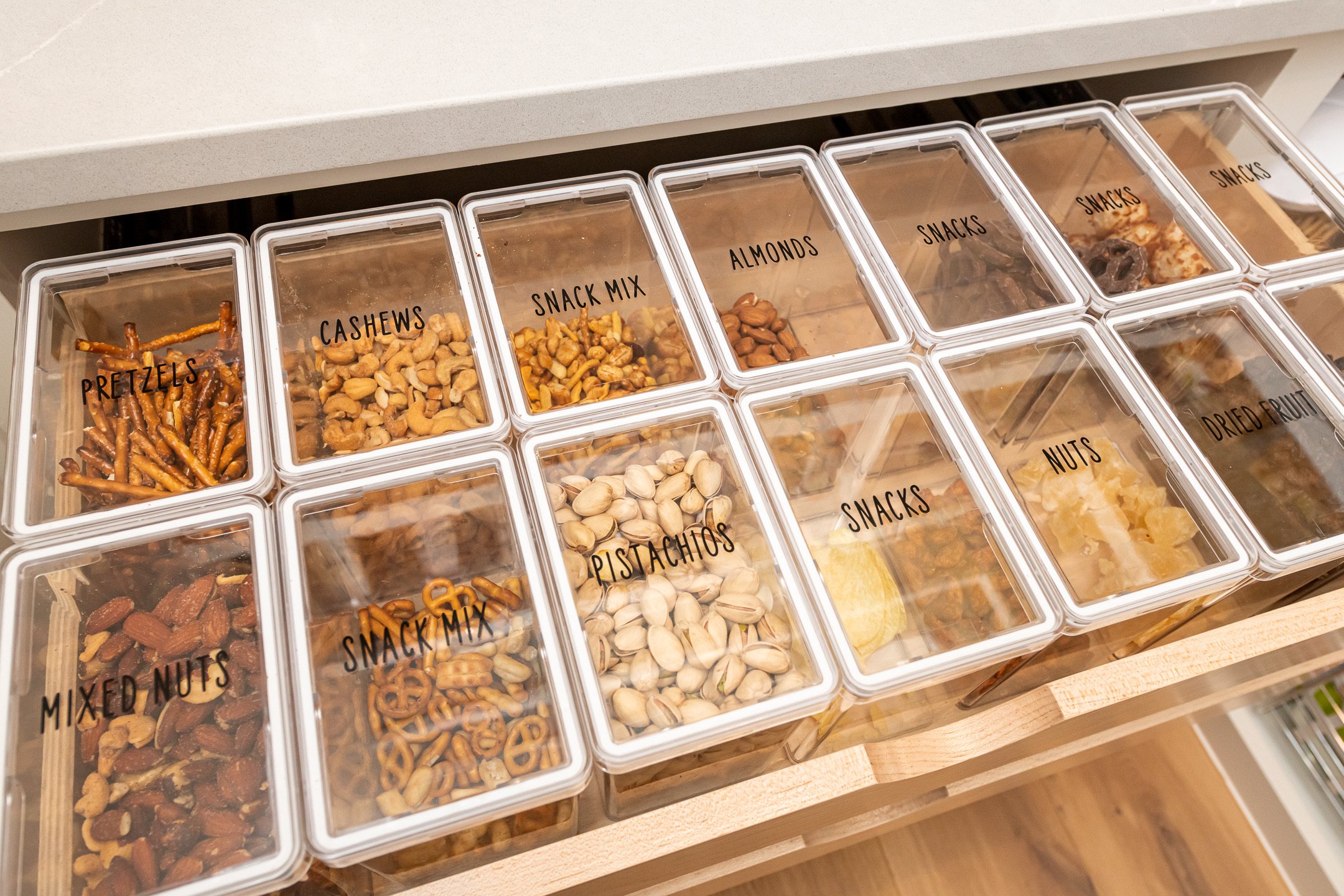
Creating dedicated breakfast and snack zones gives children the ability to make their own choices within clear boundaries while making two of the most repeated moments of the day easier for everyone. These are often the highest-traffic areas of the pantry, with little hands reaching in before school, after school, and throughout the day. By anticipating those routines and giving them a designated home, you can reduce daily friction, minimize extra footsteps, and make these everyday moments run much more smoothly.
Ideally, these zones live inside your pantry, although we’ve also created dedicated breakfast and snack stations inside kitchen cabinets or drawers when pantry space is limited.
One of our favorite ways to create this system is by giving children their own designated space filled with parent-approved breakfast options and snacks they can easily access. It gives them the freedom to make their own choices while still keeping the options you’re comfortable with. And the best part? It means fewer daily negotiations and one less question for you to answer in the middle of a busy morning or busy afternoon. It also makes packing lunches and getting breakfast on the table much faster because everything you need is right where you expect it to be.
And the benefits don’t stop there. A thoughtfully organized breakfast and snack zone can make grocery shopping easier too. When you can quickly see what you already have, you’re less likely to buy a third box of granola bars or crackers you forgot were hiding in the back of the pantry, and online grocery ordering becomes much faster. Sometimes the simplest systems are the ones that save you the most time.
Seeing It in Action: Christina’s Thoughtfully Designed Pantry
If you know Christina, you know that intentionality is woven into everything she does. From the way she welcomes people into her home to the routines she creates for her family, every detail has a purpose, and her pantry is no exception.
At first glance, it’s easy to notice the beauty of this space. Every detail feels thoughtfully curated, every container has its place, and every corner feels elevated. But look a little closer, and you’ll see that the true magic is in the function behind the design.
One of Christina’s biggest priorities was creating a pantry that encouraged independence for her girls. Snacks and everyday essentials are easy to access, the tools they need are within reach, and the systems are designed to help them confidently prepare meals, make choices, and participate in caring for themselves.
You can tour Christina’s pantry and see the thoughtful systems behind this space here →
5. The Medicine & First Aid Zone
No one plans for the moments that require this space, which is exactly why it’s worth planning for.
As children head back to school, this is often one of the busiest organizing zones in the home. Taking time to prepare it before the school year begins makes those inevitable sick days and minor injuries much easier to manage. Every family is different, so this zone should reflect the way your household functions. For some families, everything belongs together in one centralized location, such as the kitchen, pantry, or laundry room. Others find it helpful to keep children’s medications closer to the bedrooms while maintaining a larger supply of everyday items elsewhere.
If you choose to divide supplies between multiple locations, we recommend duplicating the items you reach for most often. Purchasing a second thermometer or an extra bottle of children’s pain reliever is often well worth the investment if it prevents constantly moving supplies from one part of the house to another.
When systems require extra effort, they’re much harder to maintain. We also can’t emphasize labeling enough in this space. During moments when you’re caring for a sick child or responding quickly to a scraped knee, you don’t want to spend valuable time searching through containers. Clear categories and labels help everyone find exactly what they need when it matters most.
6. The Morning Routine Zone
We all have those moments during a busy morning: the child who is halfway out the door and suddenly realizes they need socks, the backpack that’s still upstairs, or the reminder that someone forgot to brush their teeth before breakfast. Suddenly, everyone is running in different directions, and a simple routine becomes a series of extra steps.
The good news? A lot of that daily friction can be reduced with small, thoughtful changes.
The most effective systems aren’t built around where things have traditionally been stored. They’re designed around the routines your family repeats every single day. Sometimes that means a sock bin belongs in the mudroom instead of a bedroom closet. It might mean keeping toothbrushes in a downstairs bathroom if that’s where the morning routine actually happens. Backpacks might belong by the kitchen if that’s where homework is finished and the next day begins.
Instead of asking, “Where should this go?” ask yourself: “Where do we naturally use this item?”
The answer almost always leads to a better organizing solution than simply asking where something has always been stored. Sometimes the most impactful organizing decision isn’t buying another bin; it’s moving an everyday item ten feet closer to where it belongs.
Here are a few simple ways to rethink your home around your family’s daily routines:
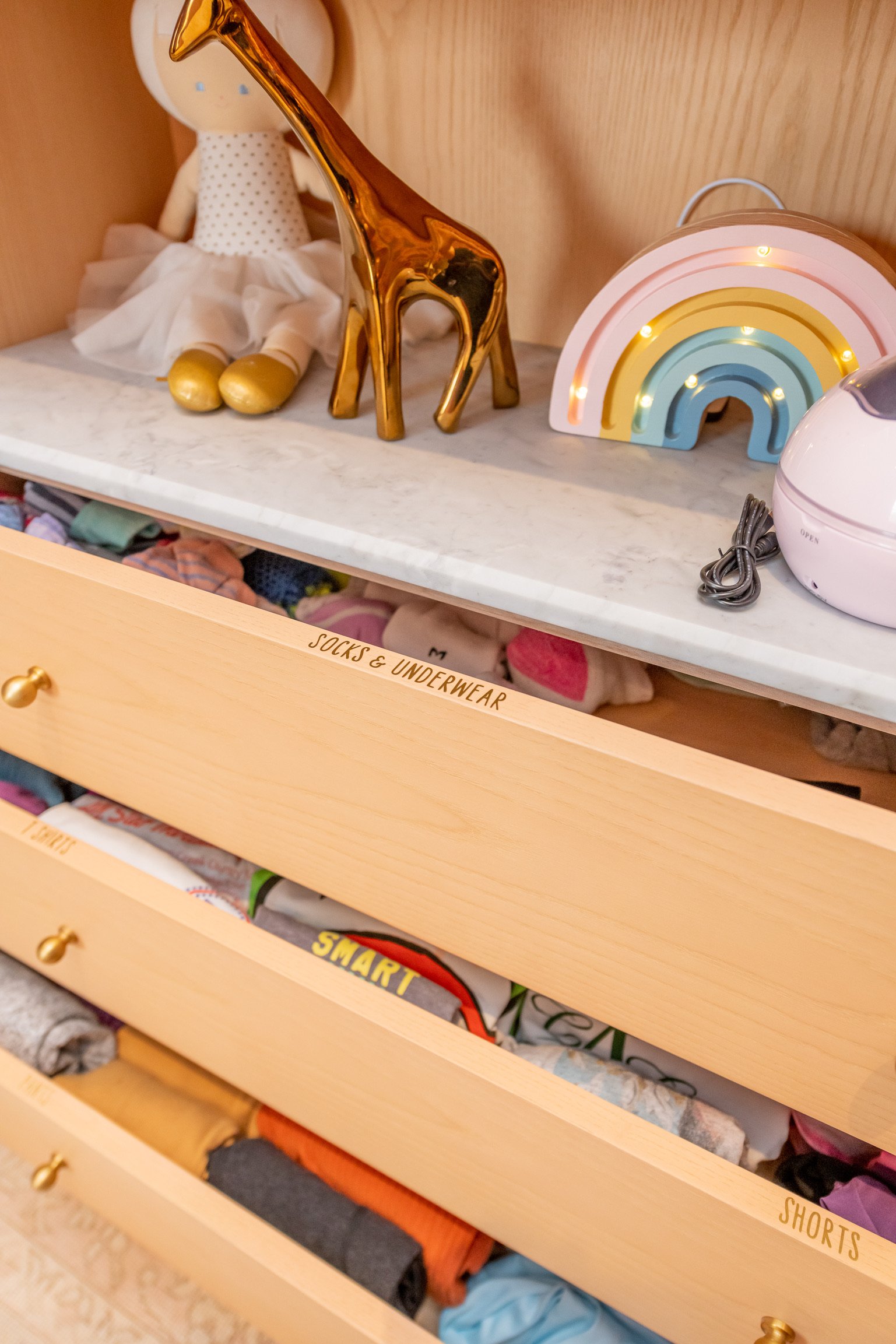
Create a sock station near where shoes are put on. If mornings always involve someone running back upstairs for socks, consider keeping a small basket of everyday socks near the mudroom or garage entry.
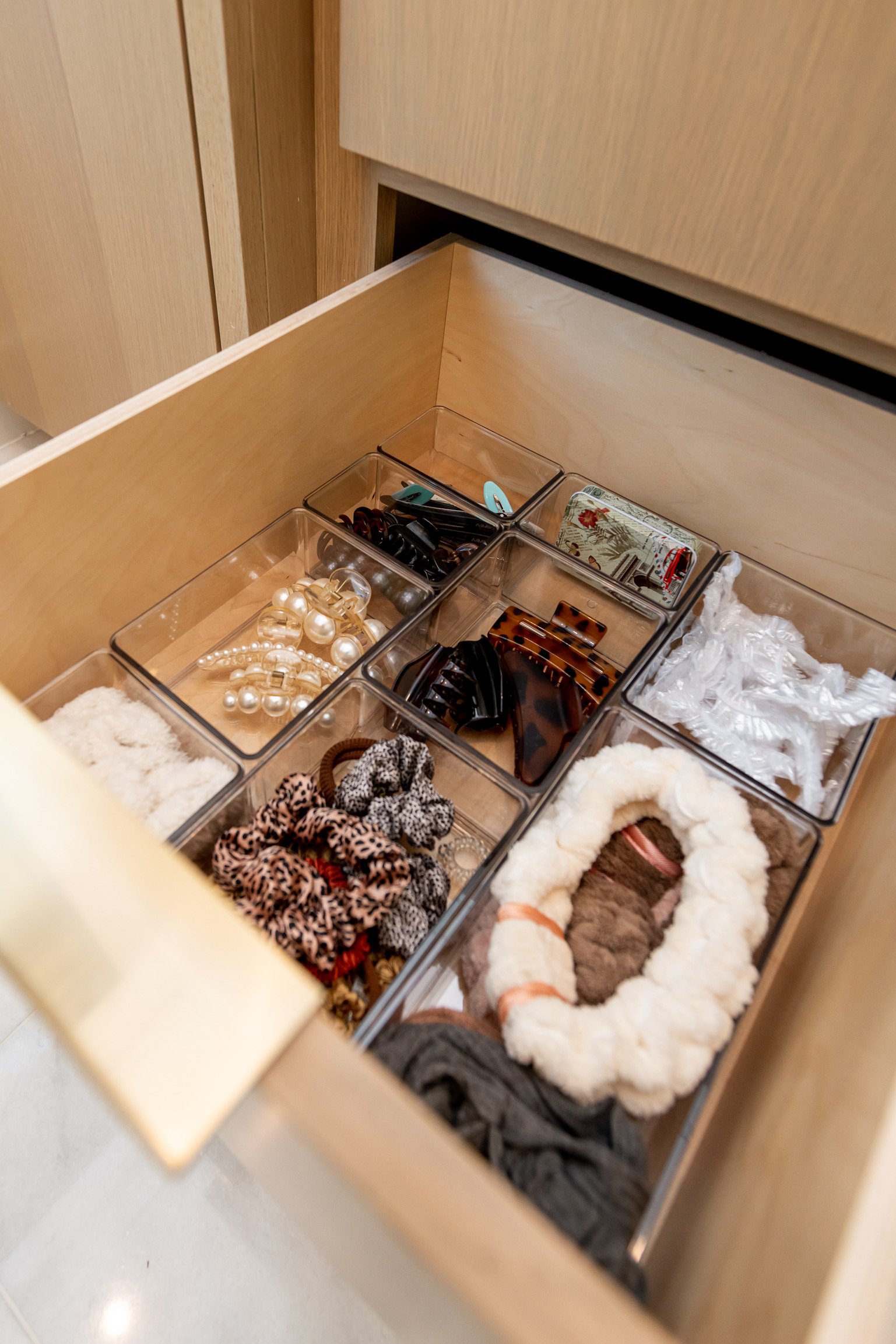
Keep frequently used morning items where the routine actually happens. If your children brush their hair in the mudroom before heading out the door, store brushes, hair ties, and accessories there instead of in the bathroom.
Move backpacks closer to where homework happens. If homework is completed at the kitchen island, creating a designated backpack drop zone nearby can make the transition from afternoon to evening much smoother.
Create a “ready for tomorrow” station. A simple location for backpacks, lunch boxes, library books, permission slips, and sports gear helps eliminate the morning scramble.
Duplicate items that create unnecessary back-and-forth. Sometimes the best solution is having a second set of essentials in the location where they’re actually used, whether that’s extra hair supplies, sunscreen, or school supplies.
Give important items a clear home. When children know exactly where things belong, they’re more likely to participate in maintaining the system over time.
7. The Homework & Creativity Zone
Children thrive when they know where to find what they need.
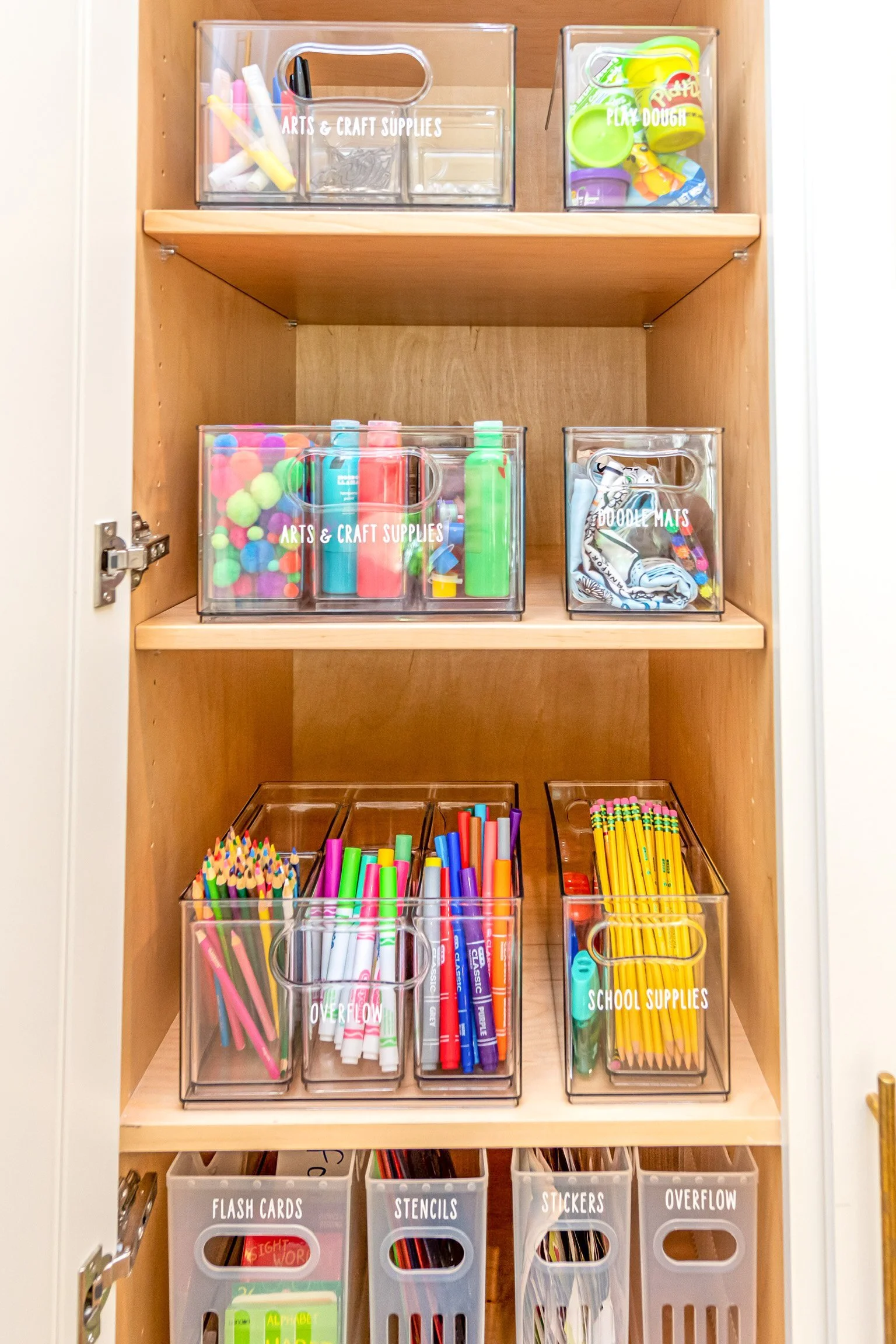
This space looks different for every family. It may be a dedicated homework desk, a cabinet filled with school supplies, a rolling art cart that moves throughout the home, or an entire craft room. The key is creating one organized location where school supplies, creative materials, and ongoing projects can live together without taking over other areas of the house.
If you’re looking for inspiration, two of our favorite projects are The Stylish Sanctuary, where we designed a beautiful homework and craft space tailored to the family’s daily routines, and Wandering Meadows, which showcases another thoughtful approach to organizing children’s creative spaces.
No matter what your setup looks like, smaller containers inside larger drawers, cabinets, or carts help keep categories from blending over time, creating a system that’s just as functional in May as it is during the first week of school.
What’s in Our Cart This Back-to-School Season
As back-to-school season begins, we’ve gathered the products we genuinely use, trust, and continue to purchase for our own clients. These are the bins, containers, labels, drawer organizers, backpacks, lunch essentials, and everyday solutions that have earned our approval and a permanent spot on this year’s list.
Of course, the products are only one piece of the system. The finishing details—like thoughtfully designed labels—are what help a space feel intuitive and easy for everyone in the household to maintain.
Our team creates custom vinyl labels for client homes every day, carefully considering the category names, placement, and style to ensure each label supports the way the family uses the space.
Want to create a more organized home with labels that are both functional and beautiful? Download our complimentary Luxe Label Guide to see exactly how we create custom vinyl labels for our projects.
“A few years after losing our home, I allowed myself to imagine a new one. In my imagination, it felt like HOME. A well-loved kitchen, Sunday dinners, and legos and magnatiles on the floor. Lots of books and comfortable reading nooks. And in that dream, the home was beautifully organized by Graceful Spaces.
I cannot tell you how amazing it felt for that dream to come true. Even our little 7-year-old loved leaving her Post-Its and coming back the next day to find things changed just as she’d suggested. To see our library so alive with color and decorated with perfectly placed photos of our family brings me to tears.”
There’s a Better Way to Live at Home.
The most functional homes aren’t created by purchasing more bins or following someone else’s organizing method. They’re created by understanding the people who live there and designing systems that support the way they naturally move through their day. That’s where our work begins.
Whether you’re preparing for back-to-school, moving into a new home, or simply ready for spaces that feel calmer and easier to maintain, our team creates personalized systems that reflect your routines, your priorities, and your home. Because organization isn’t about making life look better, it’s about making everyday life feel easier.
Graceful Living is where we share the things that make life feel a little more intentional and a lot more beautiful. From thoughtful ways of living and everyday rituals to style inspiration, favorite recipes, travel moments, and the small joys that elevate the ordinary... this space is meant to inspire a life well lived.
If you love content that feels calm, curated, and life-giving, I’d love for you to be part of our inner circle.
By joining our Graceful Living subscriber list, you’ll receive our newest posts straight to your inbox, so you never miss a story, idea, or inspiration we share: thoughtful living, elevated everyday moments, style, recipes, travel, and joy, beautifully woven together.
Click the link below to subscribe and make sure you’re receiving our Graceful Living emails. I can’t wait to share more with you.