
Building Graceful Spaces: Lessons From Nearly 10 Years as Co-Founders
A lesson from marriage counseling built the discipline that's shaped almost ten years of Graceful Spaces
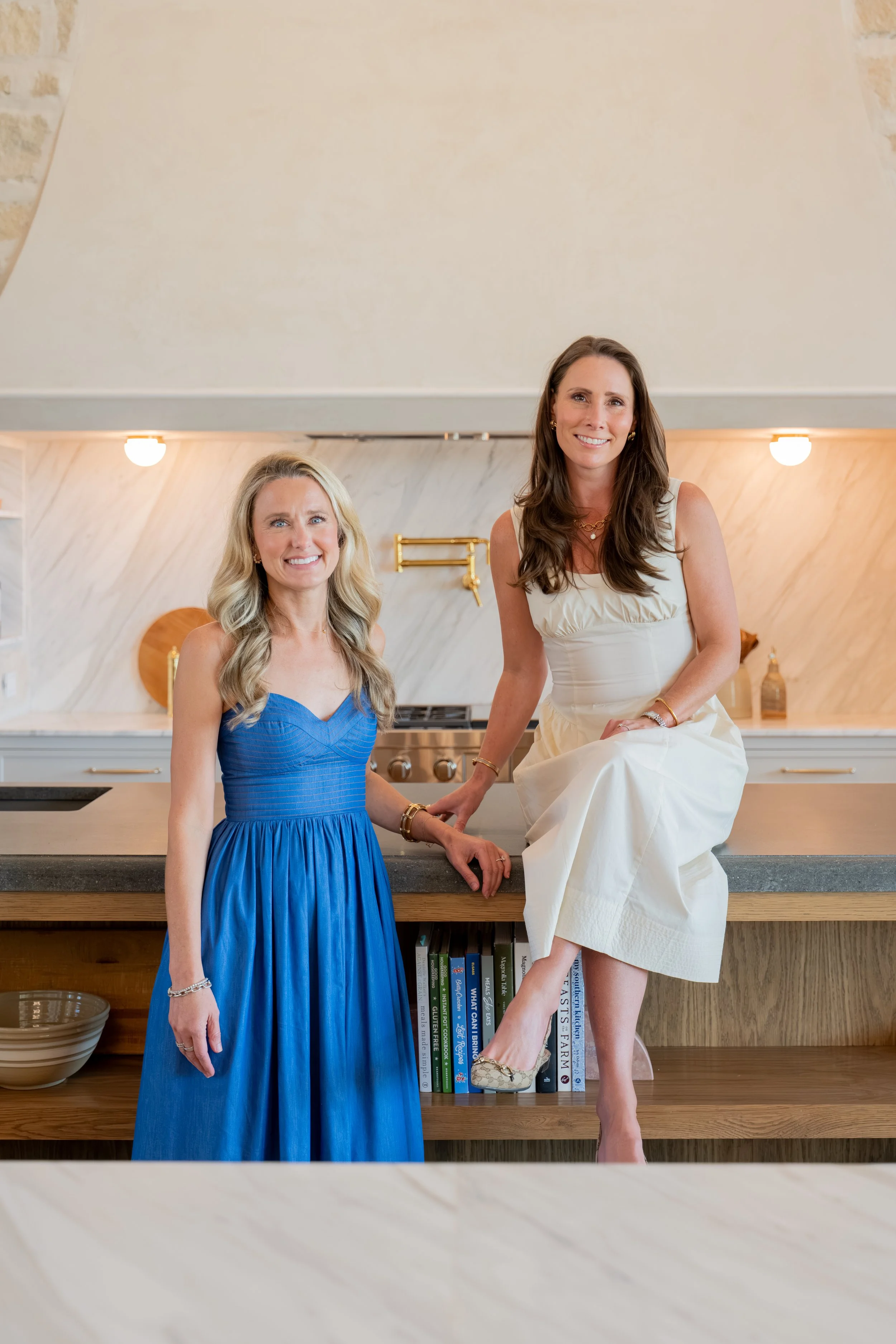
Nearly ten years ago, Graceful Spaces started because two little girls became best friends.
If you're waiting for the part where we unveil a five-year strategic plan, there isn't one, and honestly, that's kind of the point. Graceful Spaces has never grown by the big swing. It has grown the way most things worth building actually do: slowly, organically, one right next step at a time. That's how it started, and nearly ten years later, it's still how we try to build.
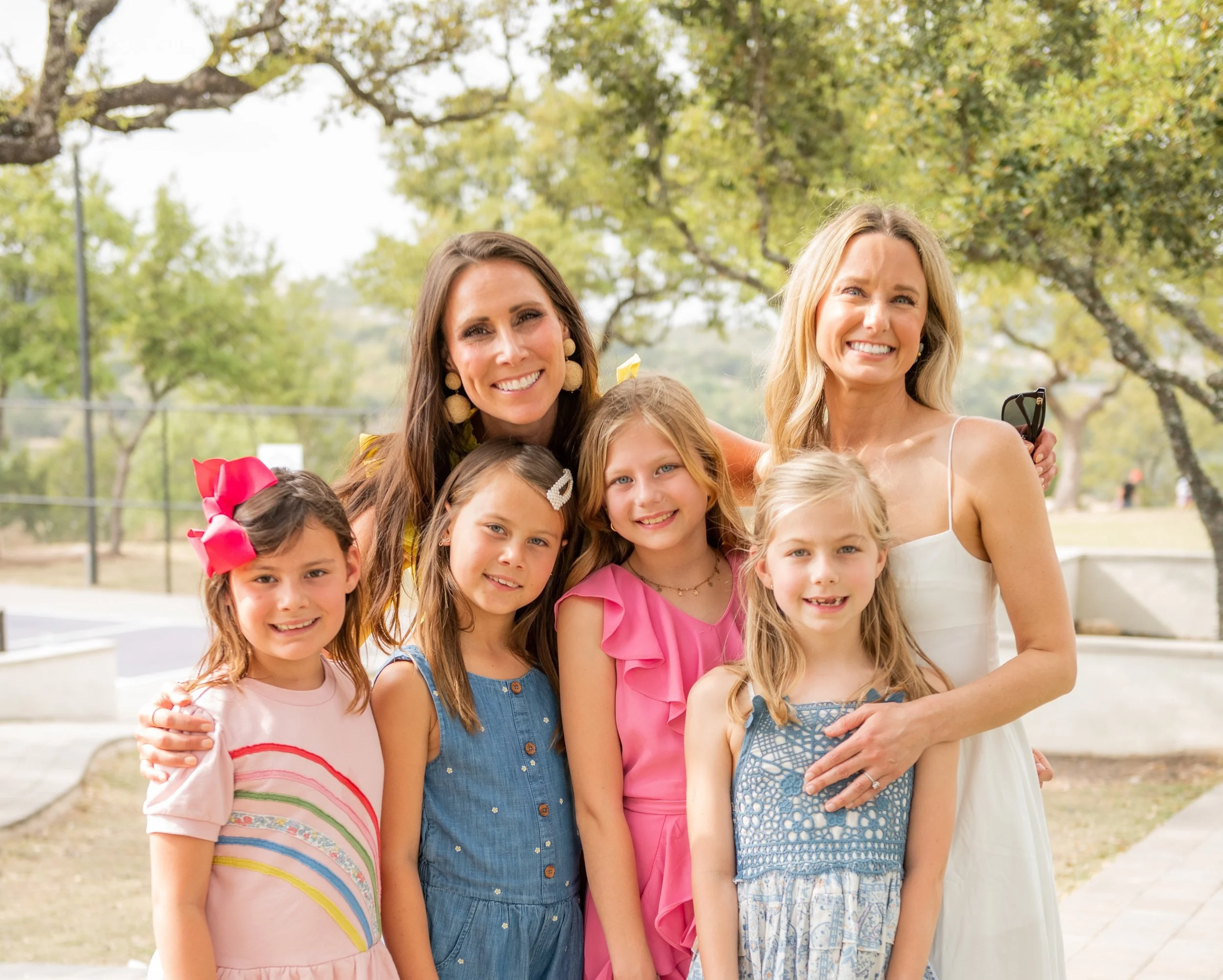
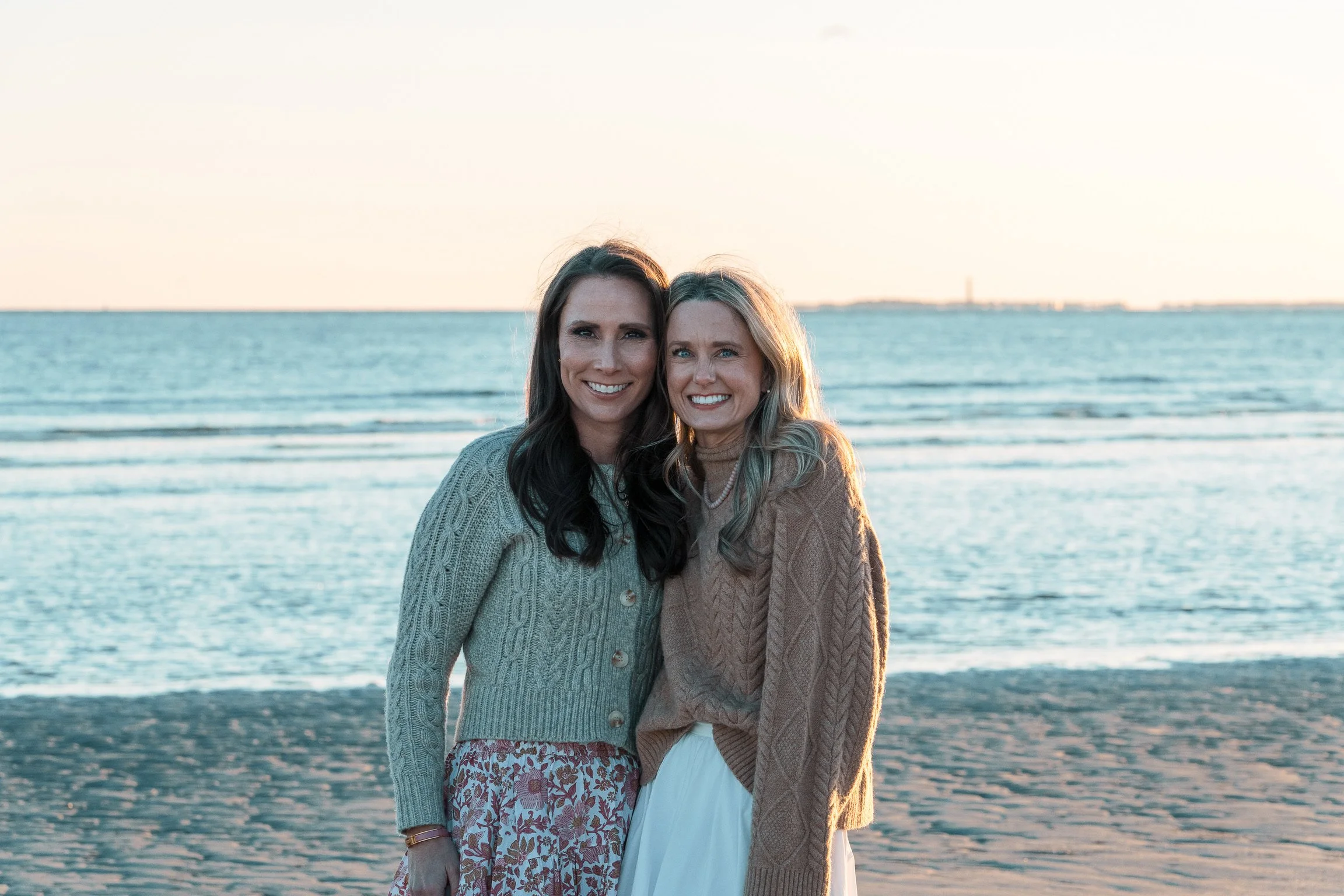
It started with Rebecka and me meeting through mutual friends at a birthday party, but it was our youngest daughters, Addie and Olivia, who really clicked. We ran into each other again at Chick-fil-A, the girls became fast friends, and playdates followed. Spoiler alert: they are still best friends today. Our families now live about a mile apart, and if you ask the girls, I am fairly certain they will take at least partial credit for the company.
Somewhere in those early playdates, Rebecka and I started talking about work and what might be next. She was coming out of an incredible career in luxury fashion, including her time as an account executive at CHANEL, and was looking for a way to continue using her experience and talents without the relentless travel that had taken her back and forth to places like Paris and LA. She had been prayerfully journaling about what might come next, and professional organizing had surfaced more than once. At almost the same time, I had been on a girls' trip where my friends were encouraging me to start an organizing company.
The funny part is that I wasn't looking to start another business. I had already owned a small event-planning company for five years, and I wasn't sitting around dreaming about becoming an entrepreneur again. But the timing of these two conversations was hard to ignore. Rebecka and I thought we might work a couple of days a week, stay busy while our girls were young, make a little money, and see what happened.
We each put in $1,000. What happened next has required considerably more than two days a week. What I didn't know yet was how much of building this company would come down to learning what not to fix.
We’ve shared pieces of this story in a few different places over the years, including conversations on podcasts where we’ve had the opportunity to talk more openly about the evolution of Graceful Spaces, what we’ve learned along the way, and the people who have helped shape the company.
If you’d like to hear more of the story in our own words, we’ve gathered a few of those conversations below.
HERE WITH LAURA PODCAST
NO MATCHA NO MAMA PODCAST
BETWEEN TWO BROKERS PODCAST
Growing Beyond the Founders
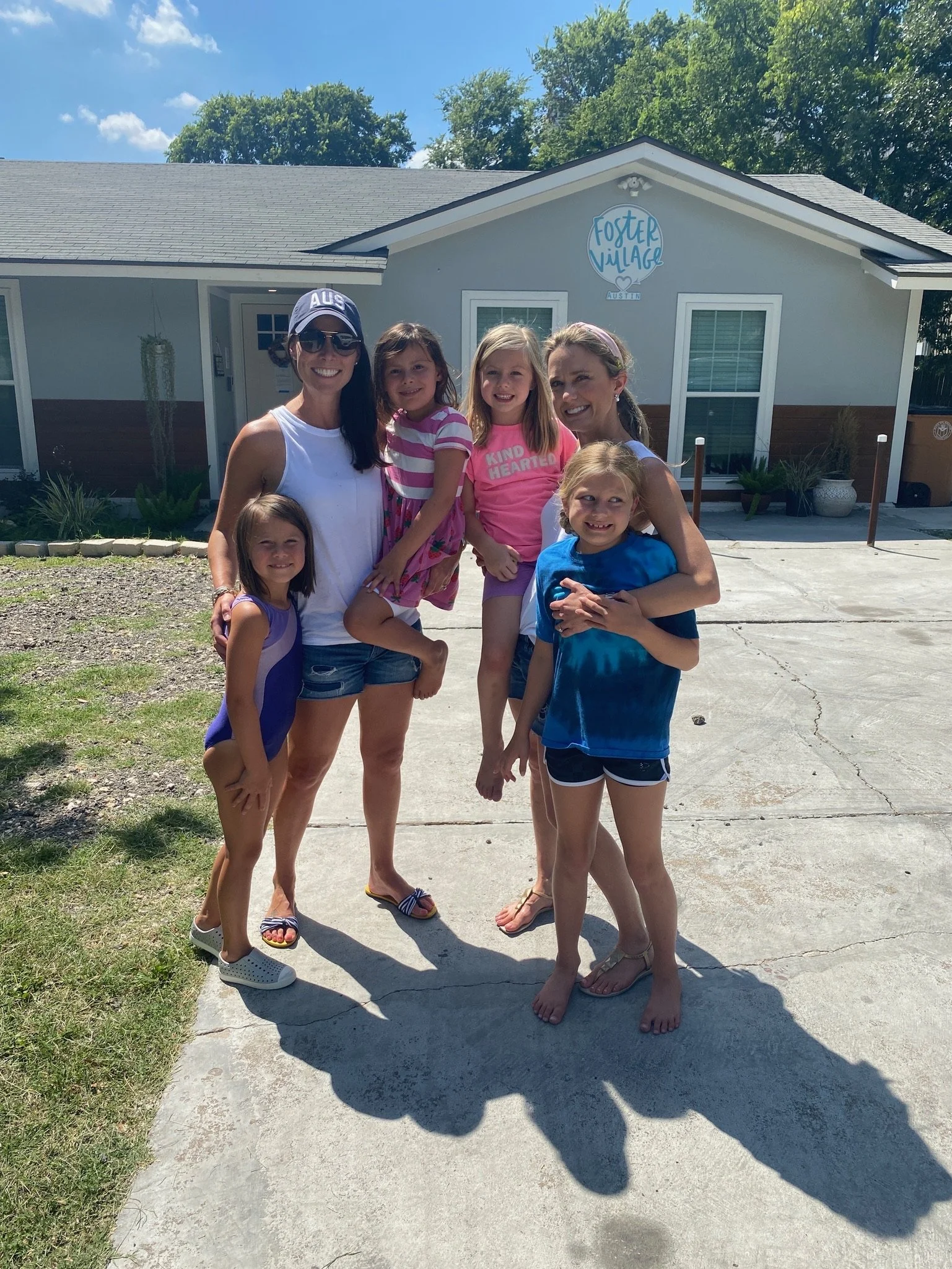
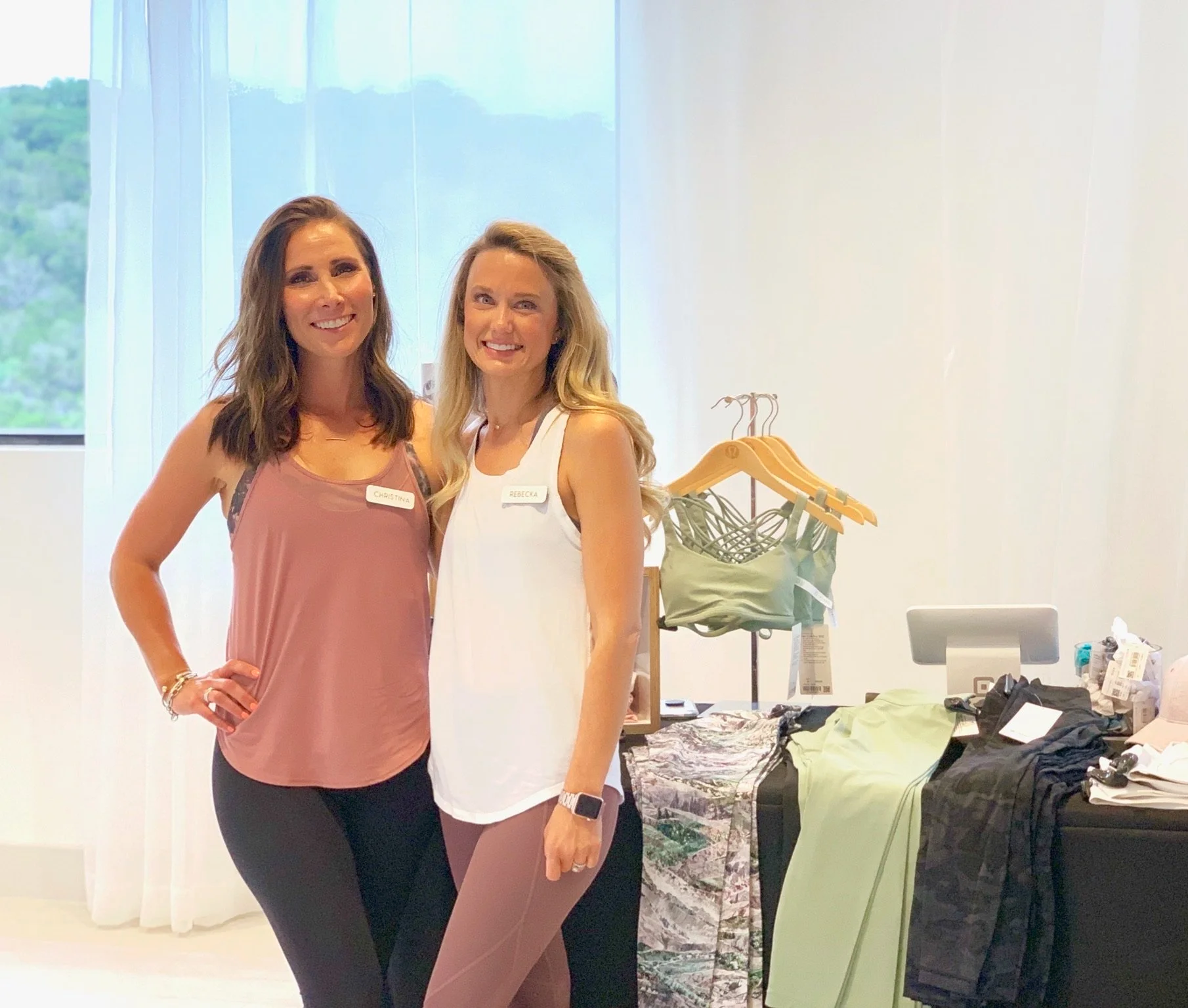
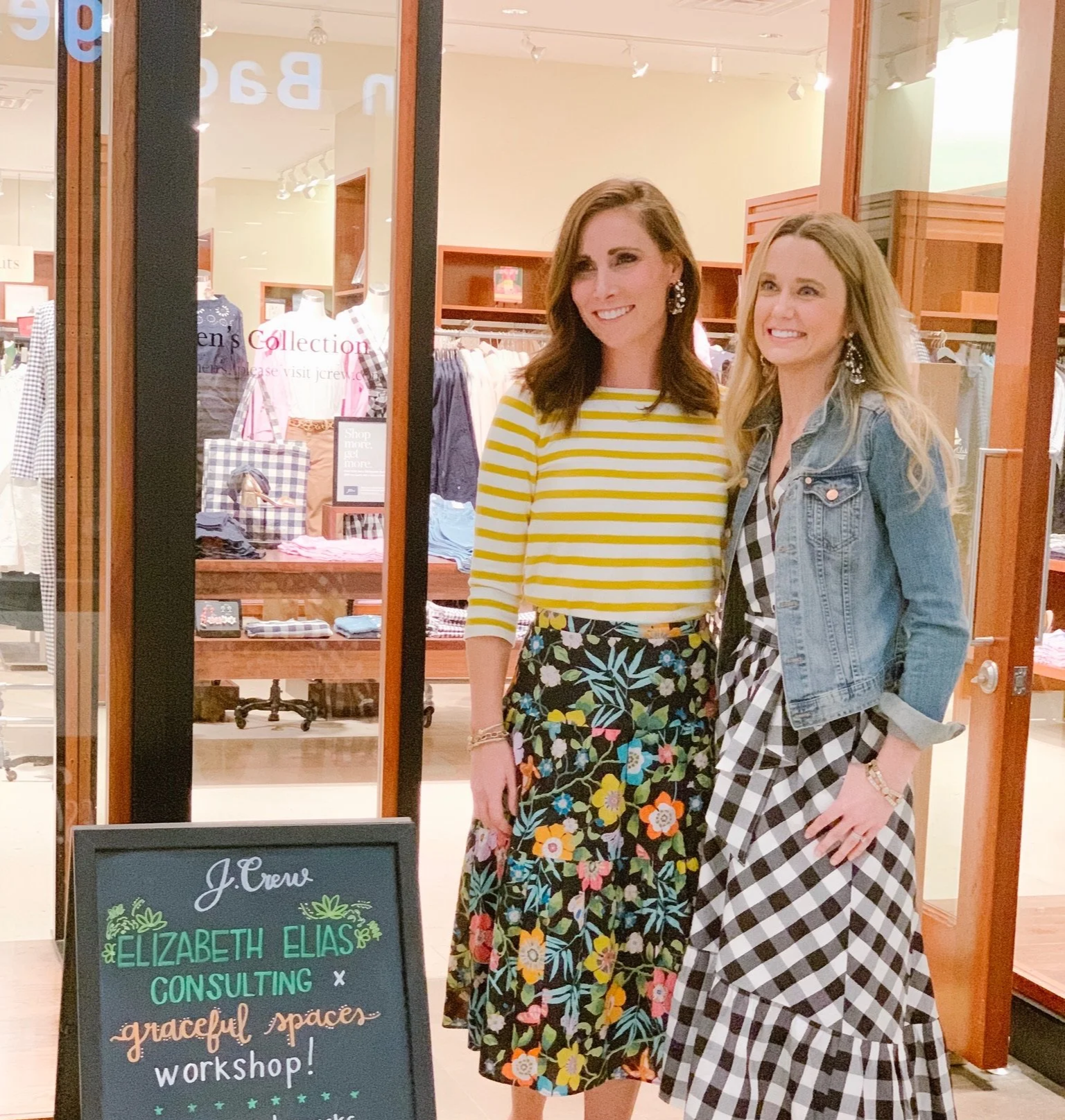
For those first few years, there was no version of Graceful Spaces beyond the two of us, because there was no one else. We were the organizers who showed up in client homes. We wrote every proposal. We built our own workflows inside a CRM we were learning as we went. We built our P&L from scratch, then learned to actually read it and trust it. We sourced and selected every product. We handled every client relationship and did our own business development, one conversation and one referral at a time.
It wasn't glamorous, and it definitely wasn't a strategic plan. It was two women learning a business by doing every part of it themselves, one project at a time, until 2020, when we finally brought on our first hire. One of our first divisions of responsibility, even before that, was also one of our easiest: Christina was not going to be in charge of the money. Anyone who knows the two of us will understand why this required very little debate.
Rebecka took responsibility for the financial side of Graceful Spaces, but I think an important part of this story is that she wasn't a CFO. That wasn't the career she came from. Over the years, I have watched her become an extraordinary financial steward of this company through discipline, curiosity, and a tremendous amount of humility. She has learned from our bookkeeper and accountant, sought accountability and outside expertise, asked questions, and continued growing into what the business needed from her.
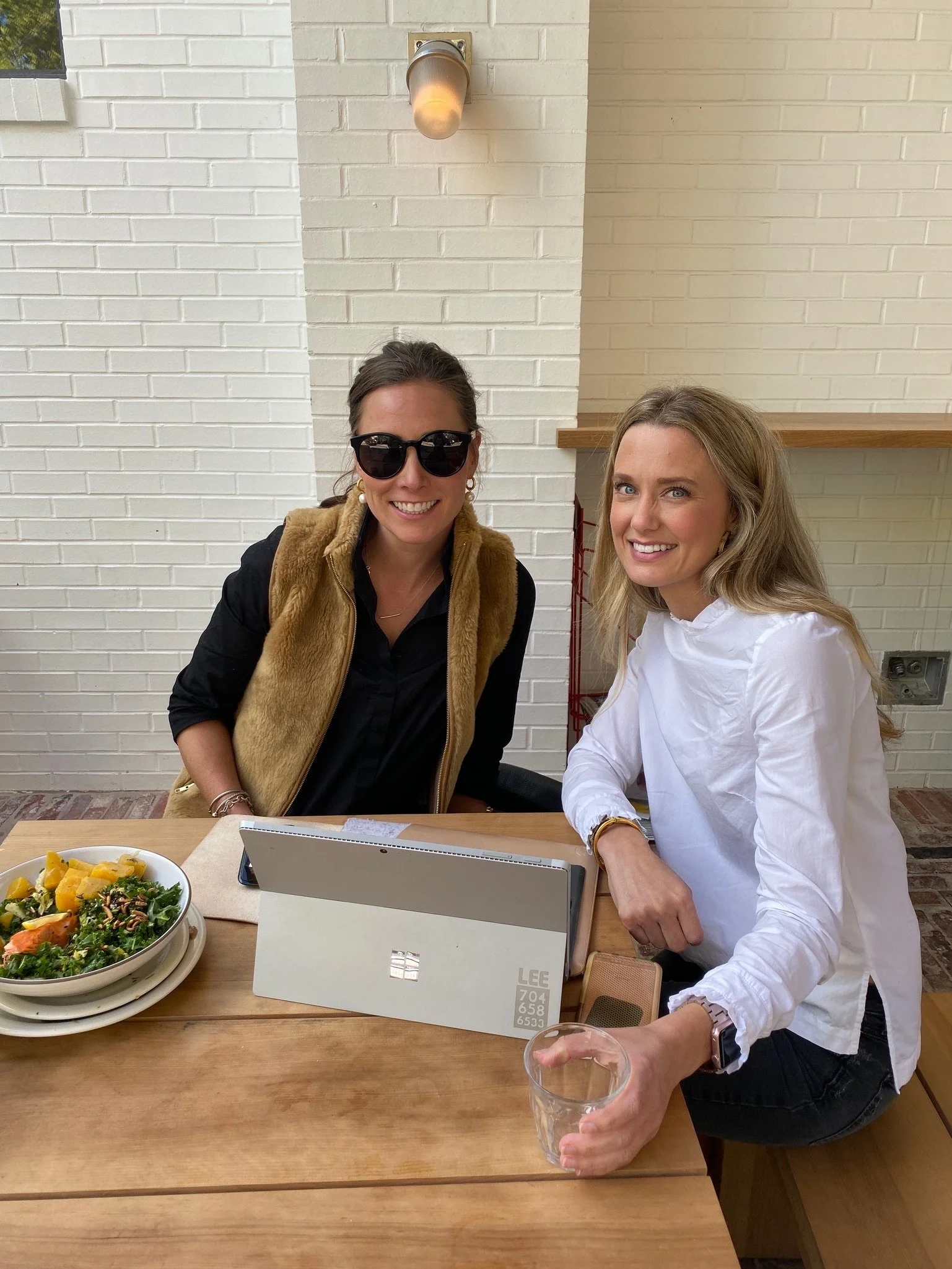
I've had to do the same.
Our previous careers gave both of us valuable foundations. Rebecka came from high-performing luxury retail environments. My background included Bank of America, as well as eleven years of teaching Tae Kwon Do and competing at the World Cup level. We knew how to work hard. We knew something about service, discipline and high expectations. We did not know how to build every part of the company we were about to create.
That may be one of my favorite things about entrepreneurship now. Being a founder doesn't mean being the person in the room who knows the most. It means being willing to keep learning and being humble enough to recognize when someone else knows something you don't. Over the years, we've worked with business coaches. We've learned from books, podcasts, accountants, advisors, spouses, team feedback and plenty of mistakes. Most importantly, we've learned from the people who have joined Graceful Spaces. Some team members have now been growing alongside this company for five and six years, and people at every level have brought gifts, expertise and ways of thinking that have made us better.
"Bring in people who know more than you" can sound like a business cliché, and sometimes we imagine that means hiring a big executive with an impressive title. Our experience has been much broader and more beautiful than that. We've had organizers, leaders, and specialists see things we didn't see and teach us things we didn't know about the business. Part of growing Graceful Spaces beyond Rebecka and me has been learning to make room for that.
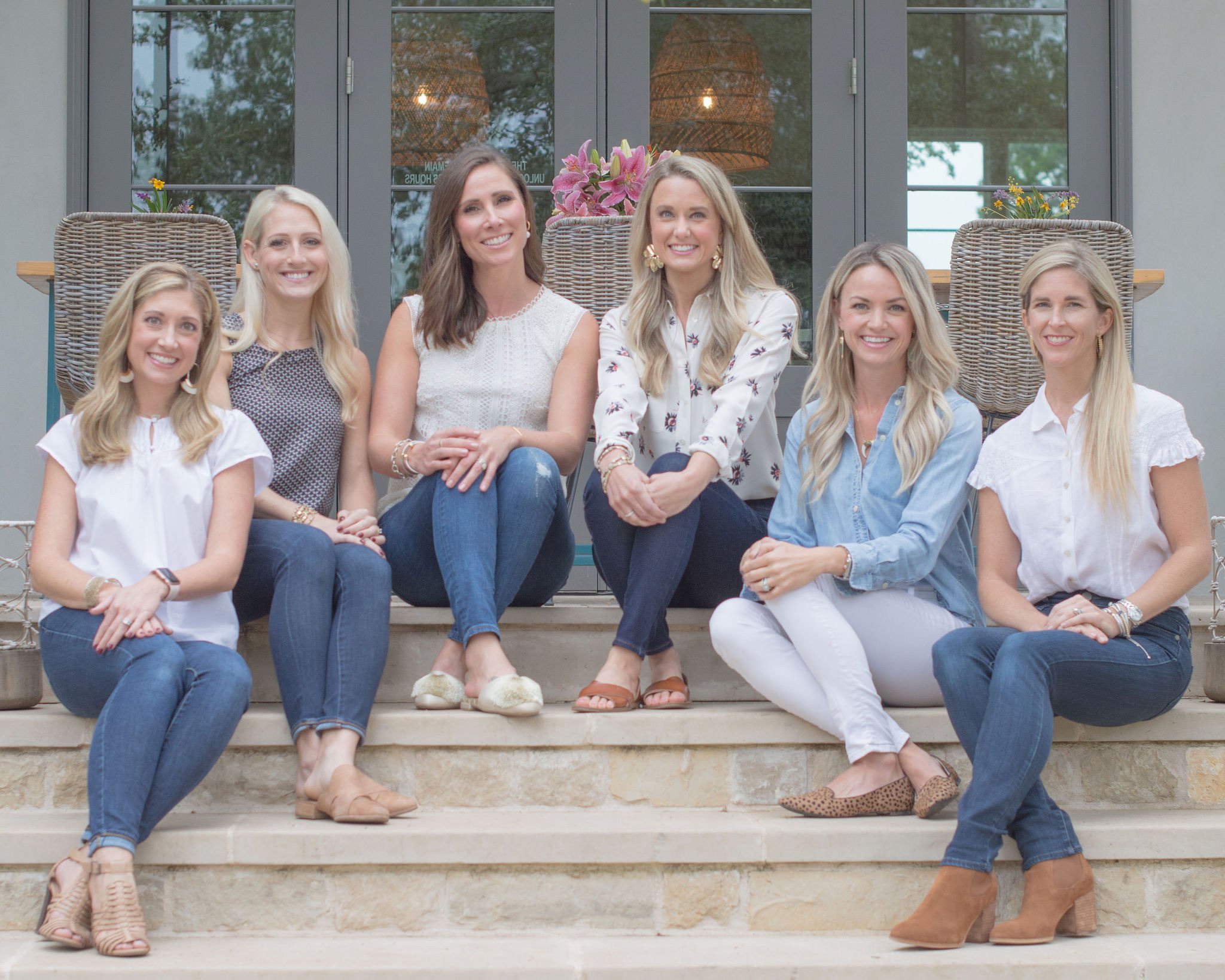
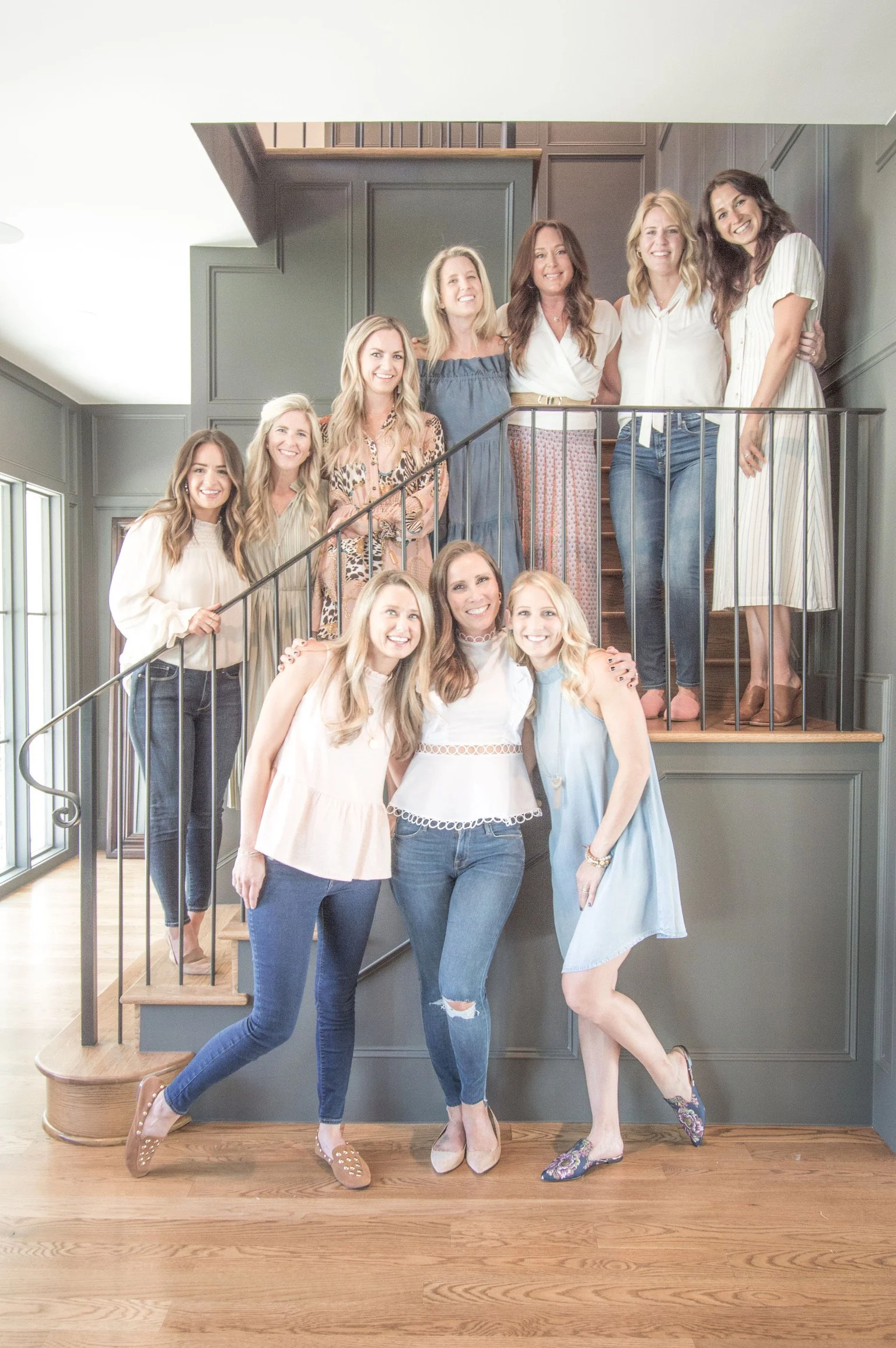
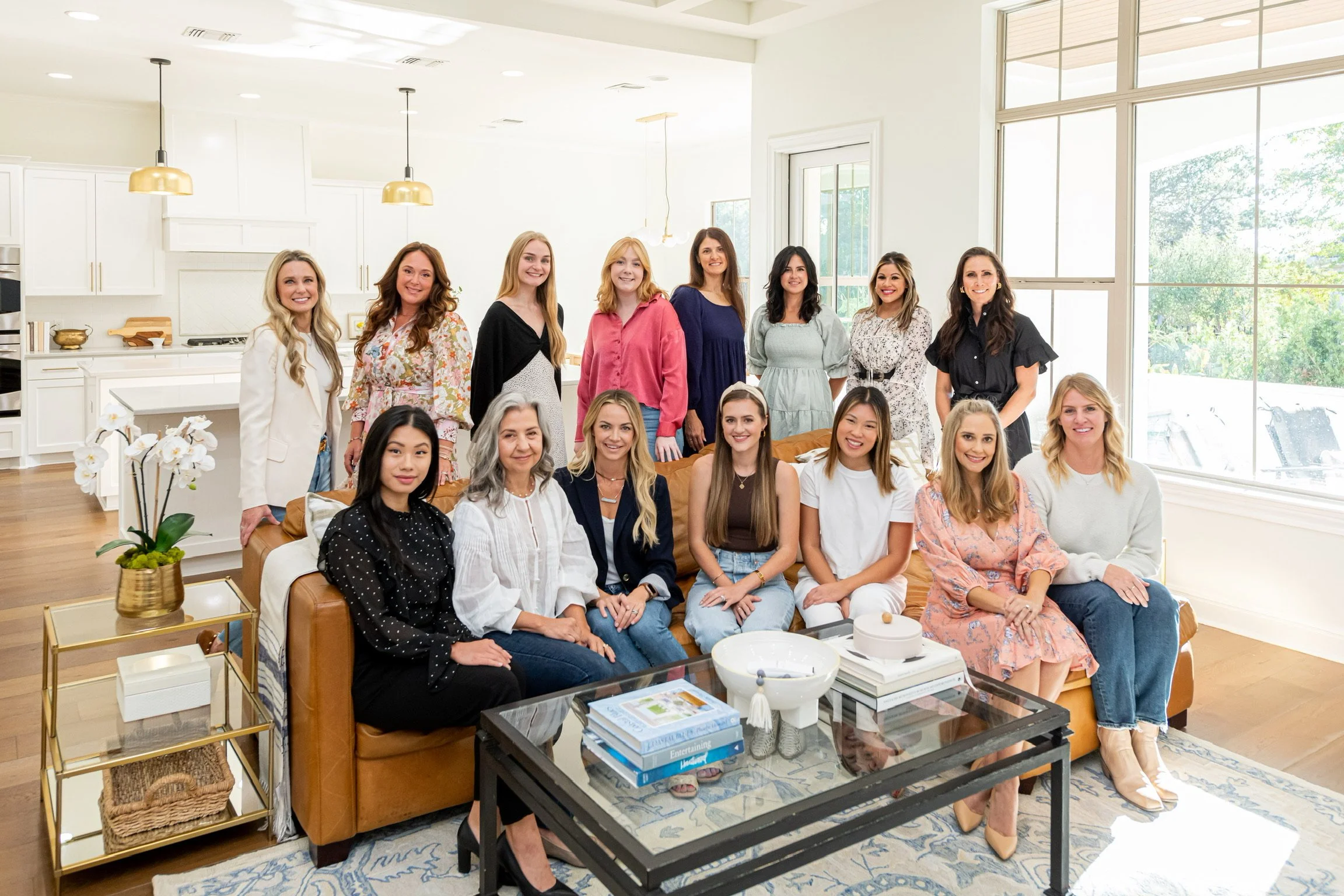
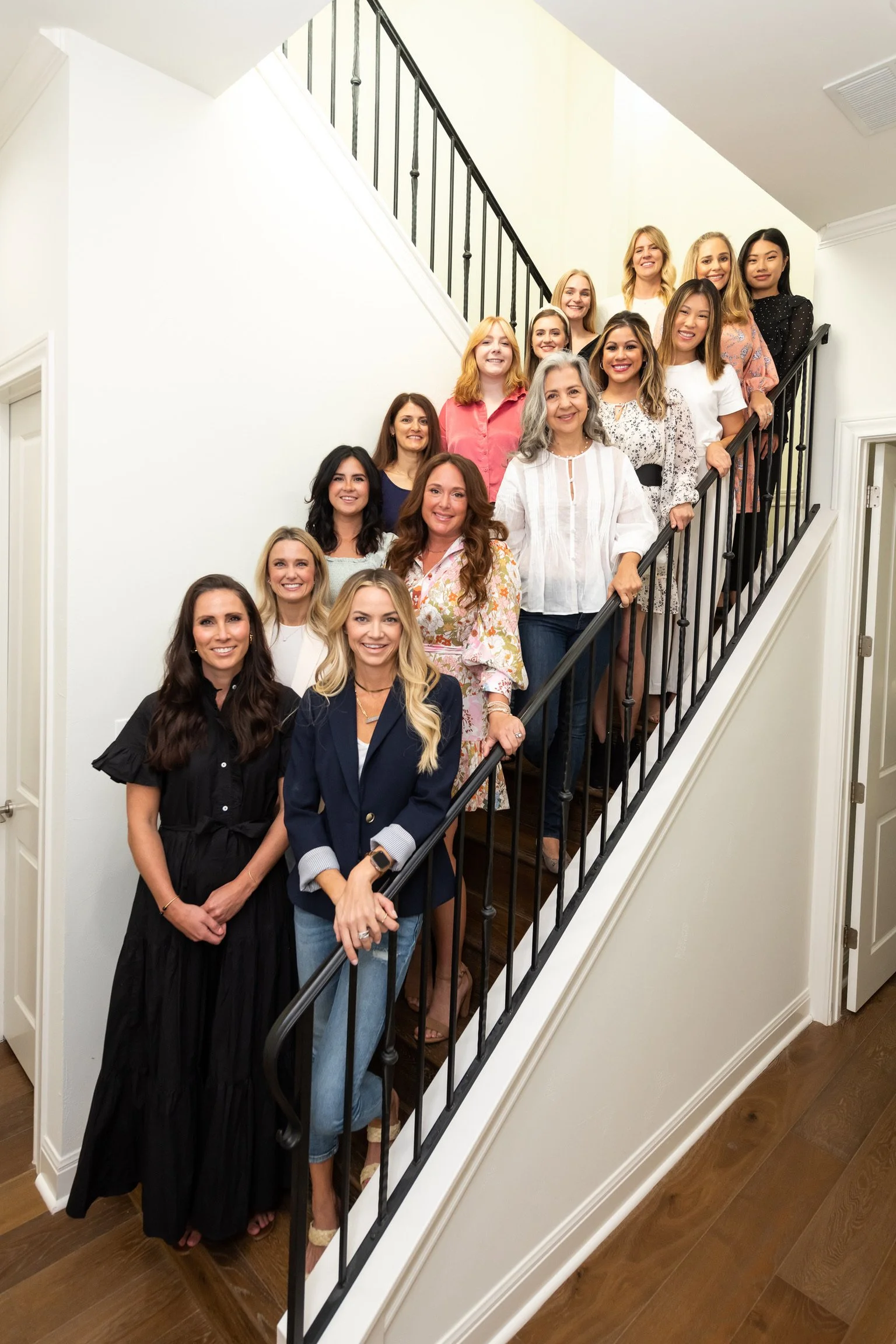
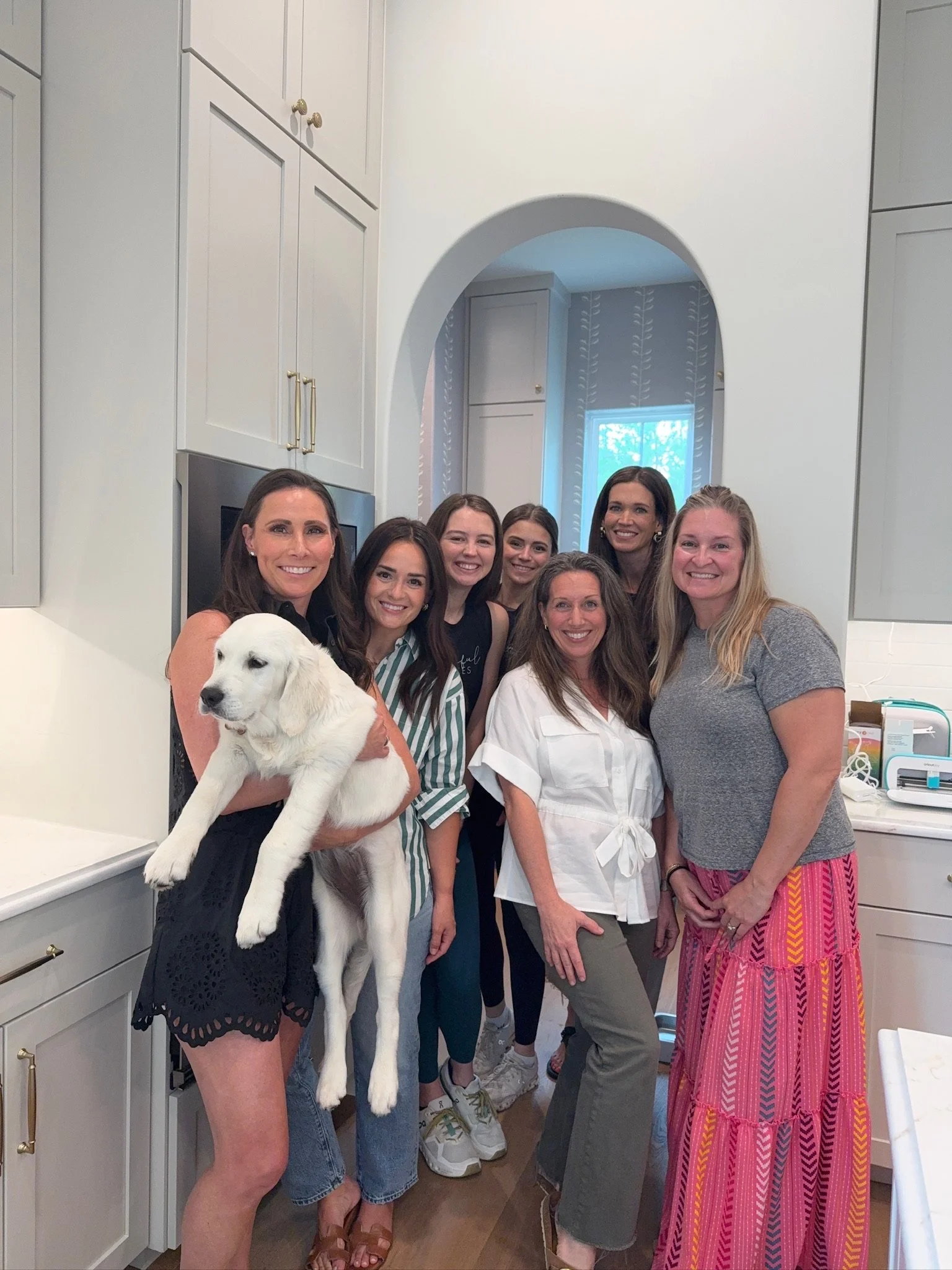
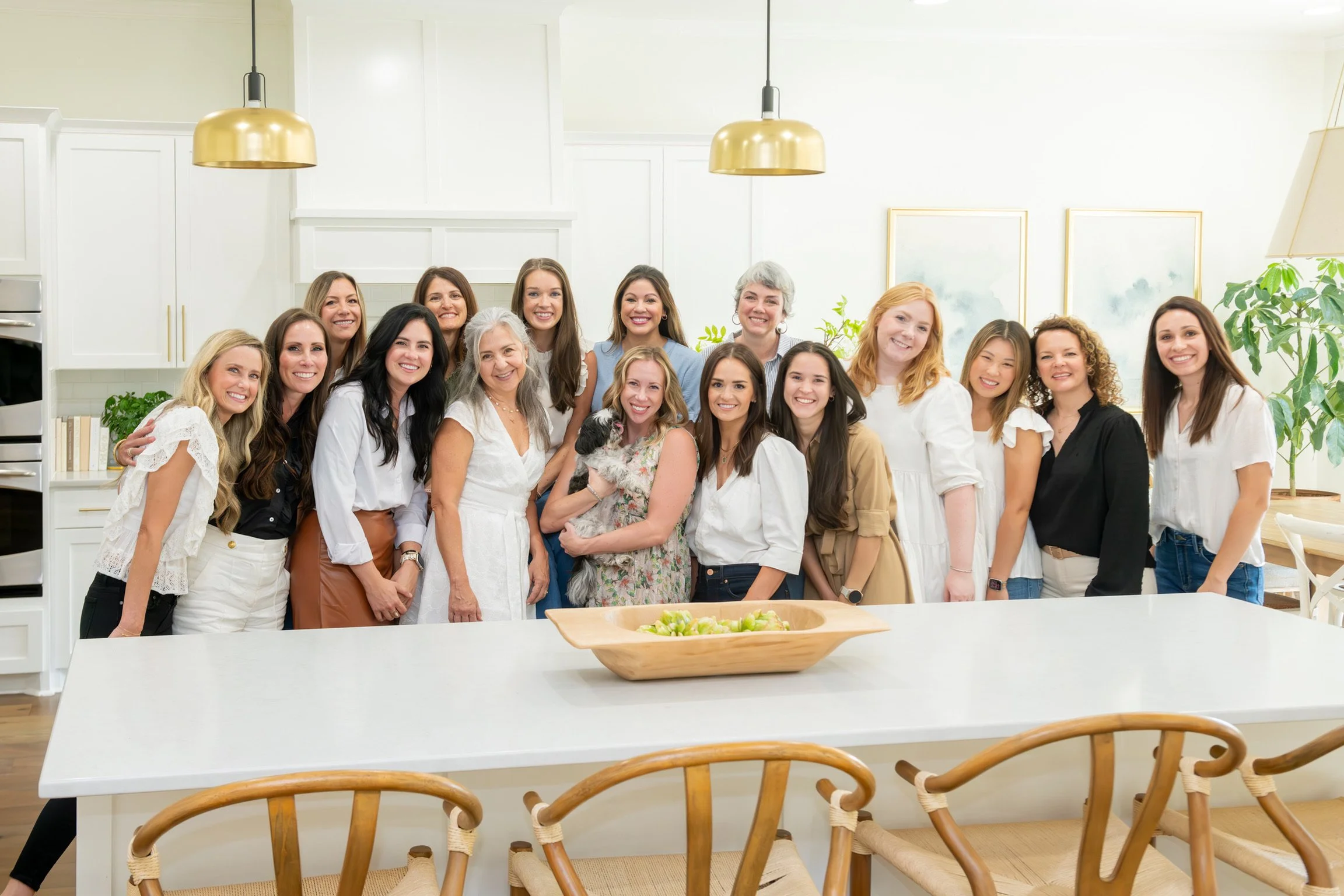
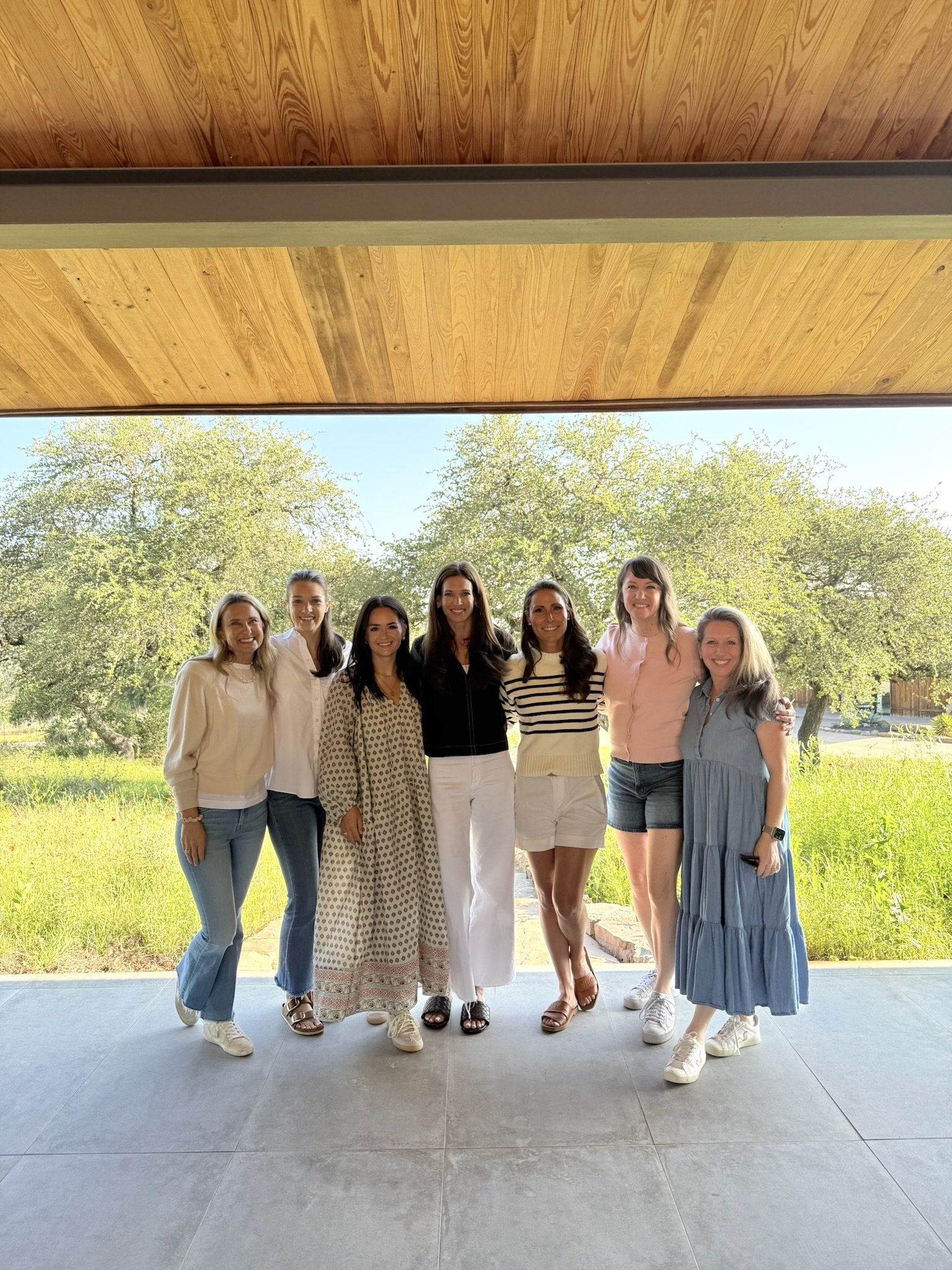
Curious about the people behind Graceful Spaces?
The company may have grown beyond the two of us, but people have always been at the center of it. Meet the team members, leaders, and experts who help bring the Graceful Spaces experience to life.
The Discipline of Not Fixing Everything
For all that we've learned, I still have an instinct I haven't entirely outgrown. I want the A+.
I want our team to walk into the perfectly prepared project with exactly what they need. I want our leaders to have perfect clarity. I want every process to work. I want our clients to receive an exceptional experience every single time.
That desire comes from care, but nearly ten years of running a service business has taught me that humans leading humans who are serving humans will always contain a little messiness. I've written elsewhere about what happens when that instinct catches up with you, what mono taught me about productivity, stress, and making room for what matters. This is the business version of the same lesson.
The answer isn't to lower the standard. It's to get better at recognizing what actually deserves our attention. I learned a version of this lesson long before Graceful Spaces. Nearly twenty years ago, Graeme and I attended a marriage conference where we were encouraged not to turn every point of friction into an issue that had to be resolved immediately. Instead, we could notice things, write them down and create an intentional time to come back to them. What surprised us was how often we didn't need to.
By the time we returned to the list, probably 90 percent of what had felt important in the moment had resolved itself, changed or simply didn't matter anymore. And because we hadn't spent all of our energy fighting about that 90 percent, we could actually see the 10 percent that deserved our attention.
I've thought about that lesson many times while running Graceful Spaces. Especially in the early years of an entrepreneurial company, you have to be nimble. We learned something on a project and changed a process. We discovered a gap and built something to fill it. We were creating the company while simultaneously running it, and that responsiveness served us well. But there comes a point when constant reinvention stops making you more agile and starts slowing you down.
After nearly ten years and close to 1,000 client projects, we have evidence we didn't have at the beginning. We know a lot more about what works. Our proposals, project strategies, policies, playbooks, meeting rhythms and connection points aren't arbitrary steps someone created in a conference room. They've been shaped by years of serving real families in real homes and learning along the way.
A difficult day doesn't necessarily mean the system is broken. Sometimes a process needs to change. Sometimes we need better training or clearer communication. Sometimes something truly unexpected happens. And sometimes we simply need to trust what we've already built, use it well and keep going long enough to learn something. That distinction has become increasingly important as Graceful Spaces has grown.
Why We Built a Compass

Around 2019, Rebecka and I began getting more intentional about writing down where we wanted Graceful Spaces to go. Going into 2020, we had a fairly simple set of goals, but coming out of that extraordinary year, something caught our attention: our service-based company had grown approximately 20 percent in the middle of a pandemic.
There were obviously many factors involved, but it made us pay attention to the power of having decided where we were going before we started running toward it. Our goal-setting evolved from there. Eventually, Rebecka and I were no longer the only people responsible for where the company was headed. Our department leaders needed to set meaningful objectives for their areas of the business, and anyone who has ever tried to distinguish an objective from a key result from a tactic knows how messy that exercise can become remarkably quickly.
We realized we didn't want goal-setting to become another corporate exercise. If we were asking people to do the difficult work of establishing measurable outcomes, it needed to mean something. That's where Compass began.
We played with several analogies over the years, but the one that stuck was a crew. There are different seats in the boat and different responsibilities within them, but all that effort only matters if we're rowing toward the same place. As we've grown, even that analogy has evolved. Graceful Spaces isn't one little boat anymore. We have departments, programs, and layers of leadership. We're becoming much more like a fleet, which makes alignment even more important.
A compass doesn't promise calm water. It tells you where you're going when the water isn't calm.
Want to see what those values look like in practice? Our work is built around the same principles we use to build the company: thoughtful systems, high standards, clear ownership, and exceptional care. Explore the services and experiences we’ve built for the homes and families we serve.
Creating Places to Stop
Today, two of our most important company rhythms happen every year. In the fall, we gather for Compass Collective. We pull ourselves out of the day-to-day long enough to look at the company as a whole: Where have we been? Where are we going? What is working? Where are we experiencing friction? What are we excited to build? What do our company, our team and our clients need from us next? Then, in the spring, we stop again. We look at the goals we established, our services and the realities of the year so far. We ask what we need to adopt, adjust, or sometimes abandon based on what we've learned.
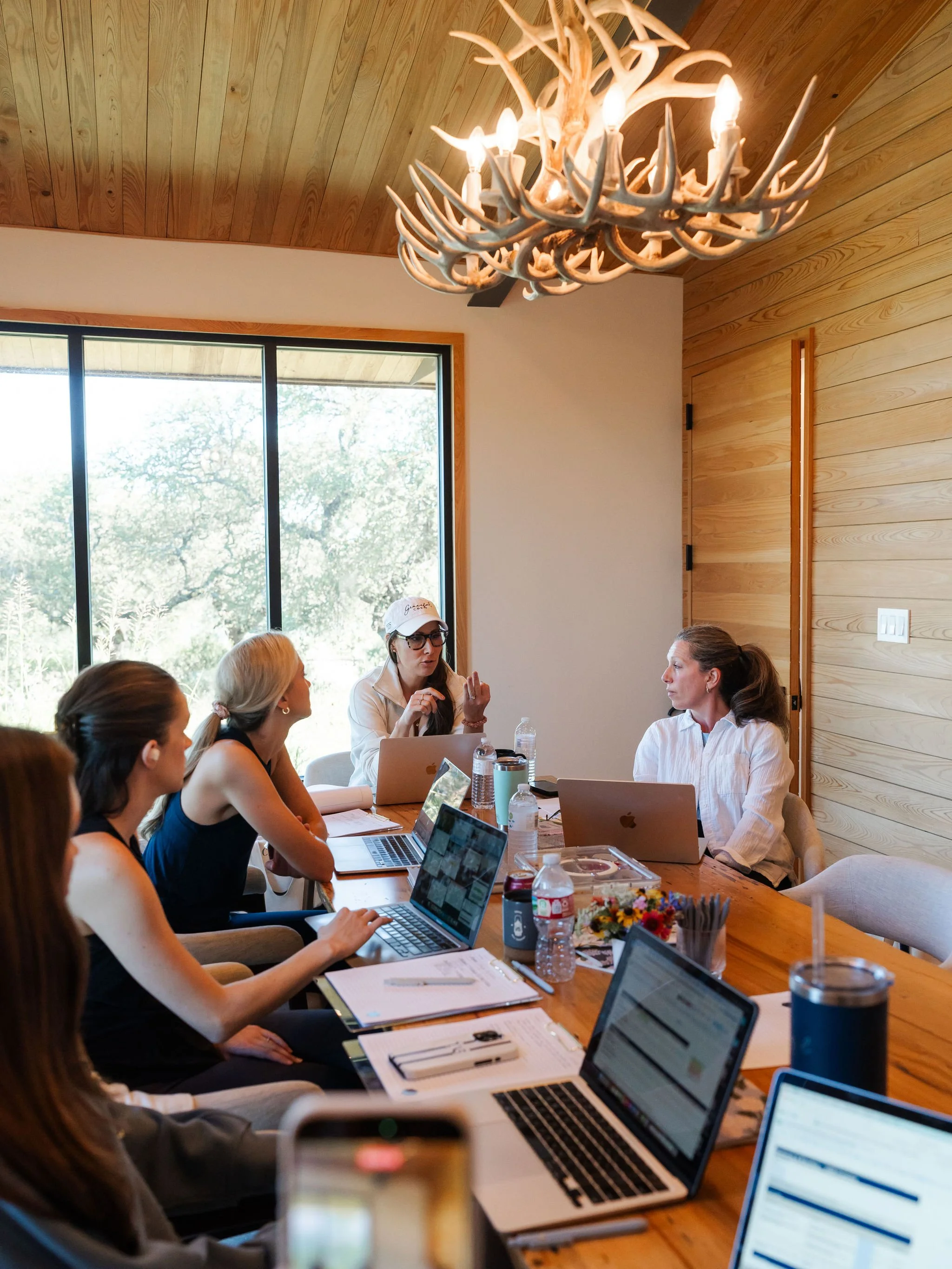

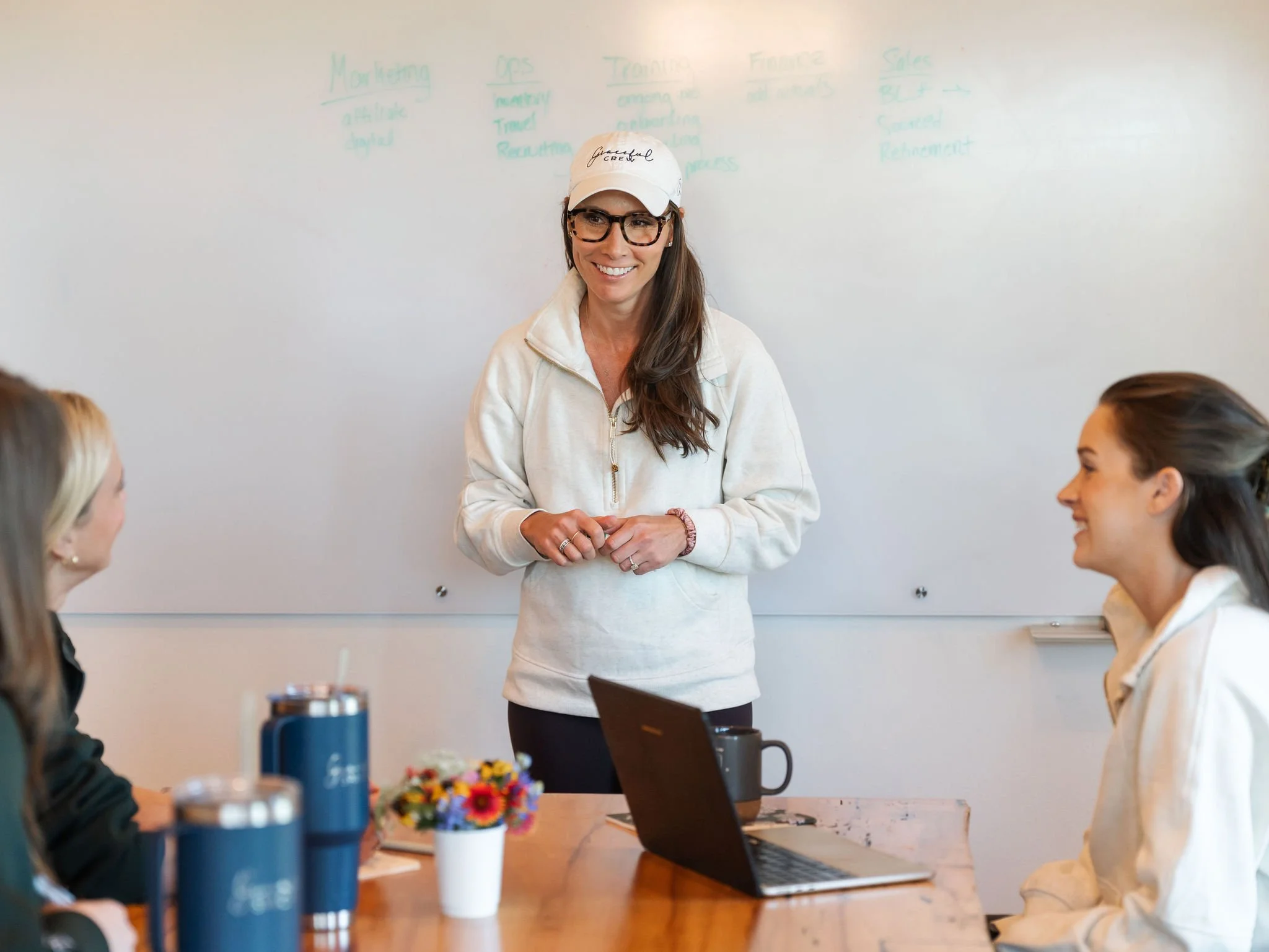
Between those larger stopping points, the rhythm gets increasingly closer to the work. Our departments establish and evaluate goals quarterly. Programs and services can refine more frequently. And individual projects require good decisions every single day. It's the same principle I wrote about in creating a calendar that supports the life you actually want, the rhythm has to exist before the busy season does, not in response to it.
But here's what matters: those daily decisions aren't supposed to be made from scratch. When the larger framework is clear and our established processes are being used, the proposal, project strategy, handbook policies, meeting rhythms and communication points, a leader doesn't have to reinvent Graceful Spaces every time something unexpected happens. The framework narrows the decision. It gives us a place from which to exercise judgment.
The closer we get to the work, the smaller the adjustment usually needs to be. Something happening on a project Tuesday may require a wise decision Tuesday afternoon. It probably doesn't require changing the company's strategy Wednesday morning. That's something I understand much better today than I did ten years ago.
Row Long Enough to Learn Something
The easiest thing to do in a people-centered business is to get swept up in the emotion of the day.
A problem feels enormous because you're standing right beside it. A piece of feedback feels urgent because you received it five minutes ago. Something didn't go the way you hoped, and the natural instinct, especially for those of us who really, really like an A+, is to fix it immediately. Our rhythms help us honor what happened today without allowing today to make every decision for tomorrow. That's a distinction I've had to learn in more than one part of my life, including in what it means to carry pressure and purpose without letting the weight define you.
We don't ignore problems. We notice them. We capture them. We ask whether we're seeing an isolated experience or the beginning of a pattern. We look at facts alongside feelings. And at our established stopping points, we can look across everything we've learned and ask: What are the few things that will make the greatest difference? For our company. For our team. For our clients.
Then we decide what success actually looks like, put a measurable outcome around it, set the course and go after it. There will always be exceptions. Storms come. Sometimes the conditions really do require a course correction. Being disciplined isn't the same as being rigid. But we've also learned to row long enough to learn something. If we constantly change direction, we never discover whether the direction we chose could have taken us somewhere good.
What I Would Tell Those Two Women Now
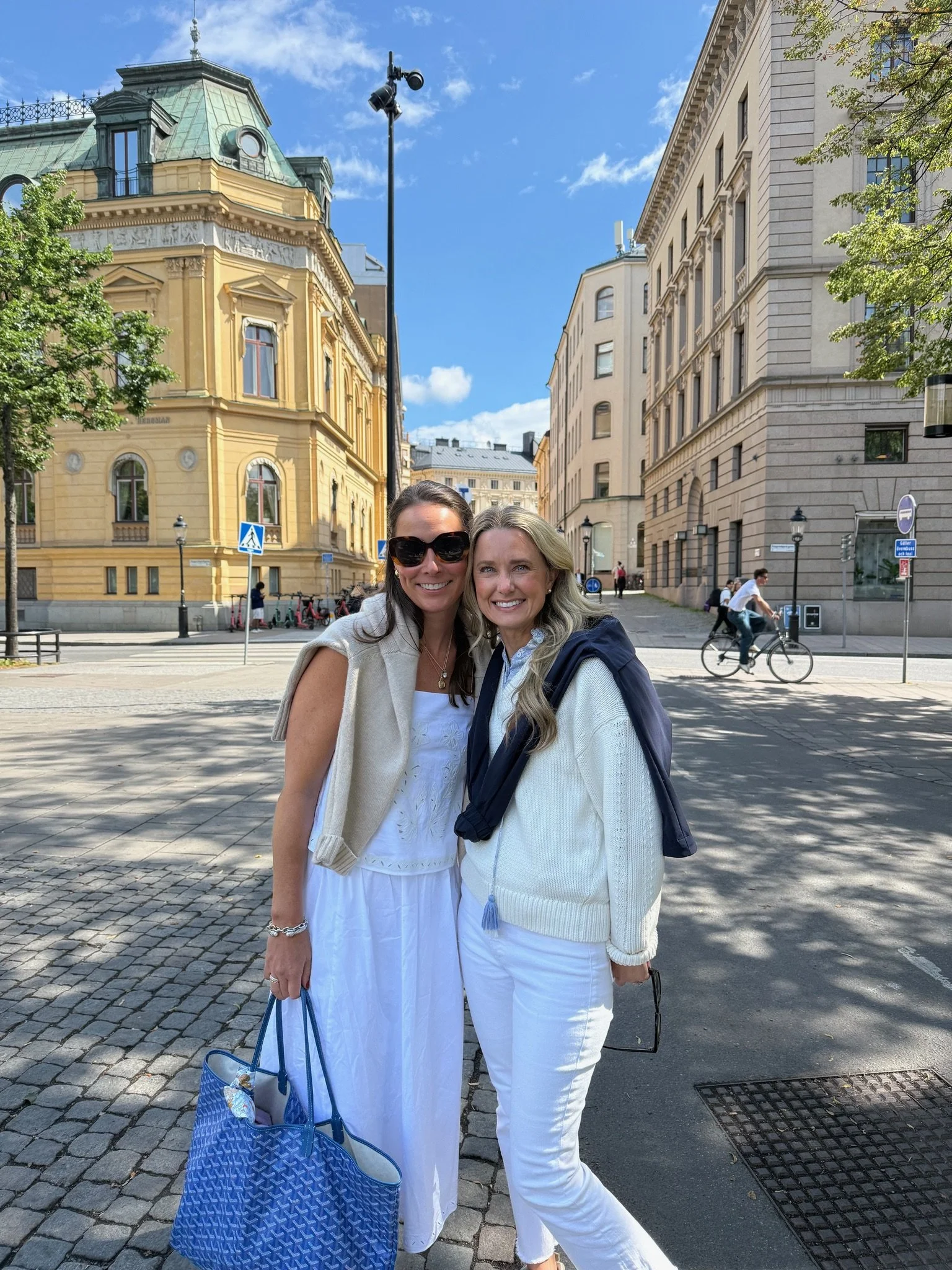
If I could sit across from the two women who put $1,000 each into a little organizing company almost ten years ago, I'm not sure I would tell them much about what was coming. I certainly wouldn't tell them exactly how to do it. I'd tell them to build the rhythms early. Create routines and disciplines that make the hard work easier. Decide where you're going before you start rowing. Then work your heart out.
There will be storms. There will be seasons when the boat needs maintenance and moments when you realize the boat that got you here isn't quite the one you need for where you're going next. People will climb aboard who teach you things you never could have learned alone. Some will row alongside you for years. Some will eventually get out. There will be times when everyone is moving together so beautifully that you should remember to look around and enjoy it.
And there will be times when it feels messy. Don't let that surprise you. I'm still learning this one: it's never going to be perfect. Excellence is still worth pursuing. Care still matters tremendously. But care alone isn't enough, just as a process alone isn't enough. Serving people well requires heart and standards, systems and discernment, discipline and humility. So set the course. Build the rhythms. Row long enough to learn something. Then stop. Look back at the distance you've traveled. Look honestly at where you landed. Listen to the people around you. Celebrate what worked. Learn from what didn't. Decide what matters now. And then get back in the boat.
That's the part of this lesson that reaches beyond Graceful Spaces, too. We spend so much of our lives reacting to whatever just happened- a hard week, a disrupted routine, friction with someone we love- that we rarely give ourselves enough distance to see what's actually true. Not everything needs fixing today. Sometimes it just needs a place to be noticed, and enough time to show us what it really is.
Nearly ten years in, Rebecka and I are still doing exactly that. Graceful Spaces has grown far beyond the two of us and the $2,000 we put together at the beginning, but in many ways the work remains remarkably simple. Figure out where we're going. Care deeply about the people we're going there with. Learn everything we can along the way.
And keep rowing.
Your home deserves a thoughtful plan, too.
The same principles that have shaped how we’ve built Graceful Spaces—clarity, intentionality, thoughtful systems, and room for real life—shape how we approach every home we serve.
One Last Thank You
None of this happens without our husbands.
Graeme and Tom didn't just sit through business plans or nod along politely. They sat with us, again and again, and shared what they actually knew about technology and building a business, patiently, generously, without ever needing credit for it. But more than the advice, what they gave us was freedom. They never told us what to do. They offered what they knew, and then they trusted us to make the call. That's a harder gift to give than it sounds.
Through every up and down, and there have been plenty, they have remained our biggest fans. They have given us room to grow, room to cry, and room to figure it out. They have supported our friendship since the very beginning, and somewhere along the way, they built one of their own.
We don't think words will ever fully capture what that support has meant. Watching us walk out the door for a client trip, a retreat, a conference, while they were building their own remarkable careers and managing their own travel and demands, they never once said we can't. We figured it out. Every single time.
We could not have built Graceful Spaces without them. We would not have wanted to. Thank you Tom and Graeme! We love you!
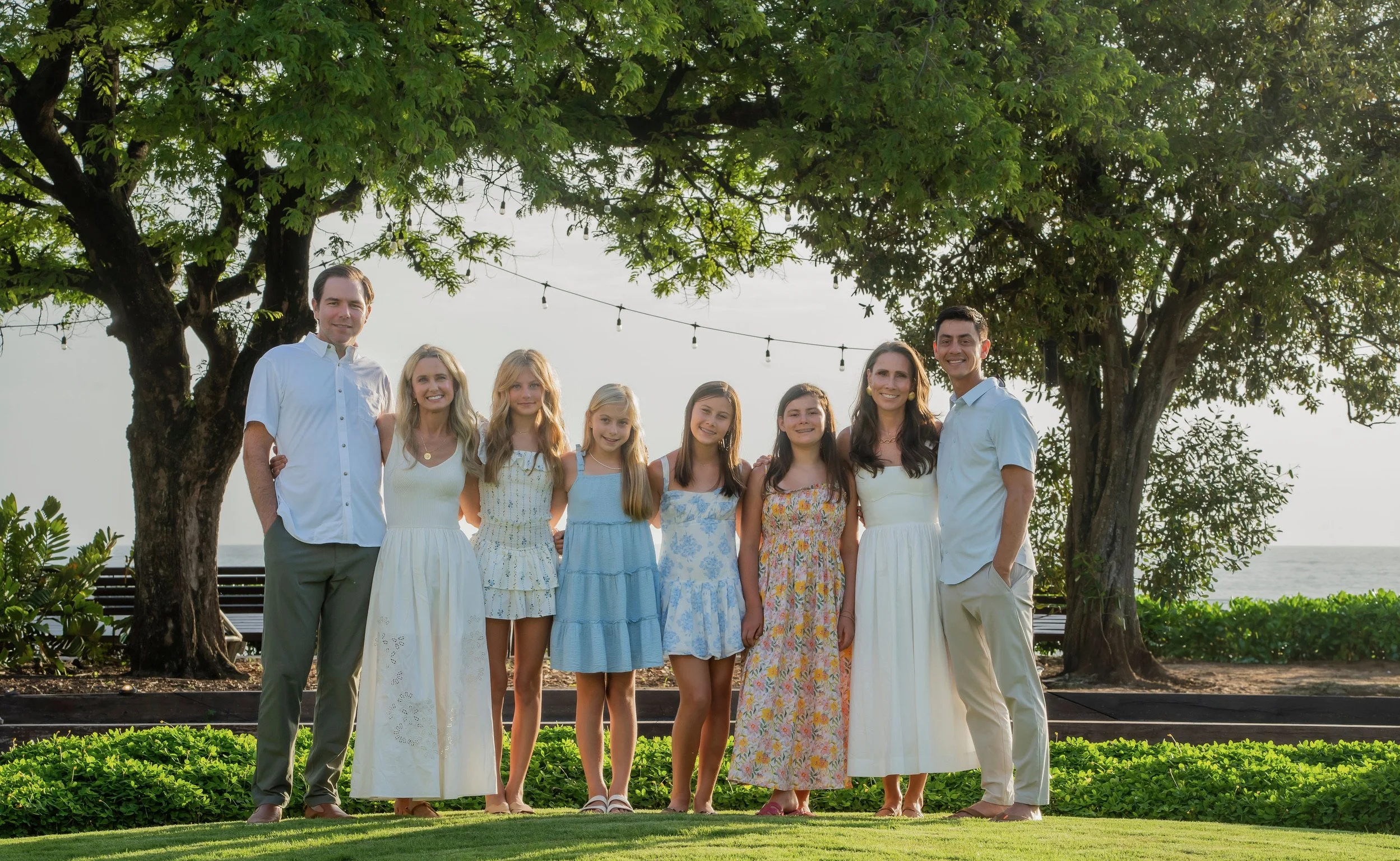
Graceful Living is where we share the things that make life feel a little more intentional and a lot more beautiful. From thoughtful ways of living and everyday rituals to style inspiration, favorite recipes, travel moments, and the small joys that elevate the ordinary... this space is meant to inspire a life well lived.
If you love content that feels calm, curated, and life-giving, I’d love for you to be part of our inner circle.
By joining our Graceful Living subscriber list, you’ll receive our newest posts straight to your inbox, so you never miss a story, idea, or inspiration we share: thoughtful living, elevated everyday moments, style, recipes, travel, and joy, beautifully woven together.
Click the link below to subscribe and make sure you’re receiving our Graceful Living emails. I can’t wait to share more with you.
The Things We Use Every Day
And if you’d like to follow along with what Rebecka and I genuinely love, we’ve created shop pages that bring all of our favorites into one place. A simple way to explore what we consistently reach for in our own homes, whether you’re looking for inspiration or ready to try something new.
follow us on shop my
follow us on ltk
More Inspiration
Our Charleston Home Organization Our Purely Organized Service GS Top 5 Pantries Meet Our Team More From Graceful Living